
Five stores with the same roof type can still send five different leak calls, and the reason is rarely the membrane. One drains badly, one had a unit swapped last year, one sits under a parapet that traps debris, one was patched by a different vendor, and one simply faces more afternoon sun. A manager who treats the five as identical ends up with five unrelated repair tickets and no pattern to act.
A multi-site roof program replaces that scatter with one method applied across every building. For owners and operators in Henderson, NV and the surrounding Las Vegas Valley, we inspect each location against a common standard, group the findings, assign repair and replacement work in logical waves, and report on all of it in a form that a regional manager or finance team can read in one sitting. The goal is not a larger contract. It is a clearer picture of what each roof will need and when.
Standardize the Inspection Before the Repairs
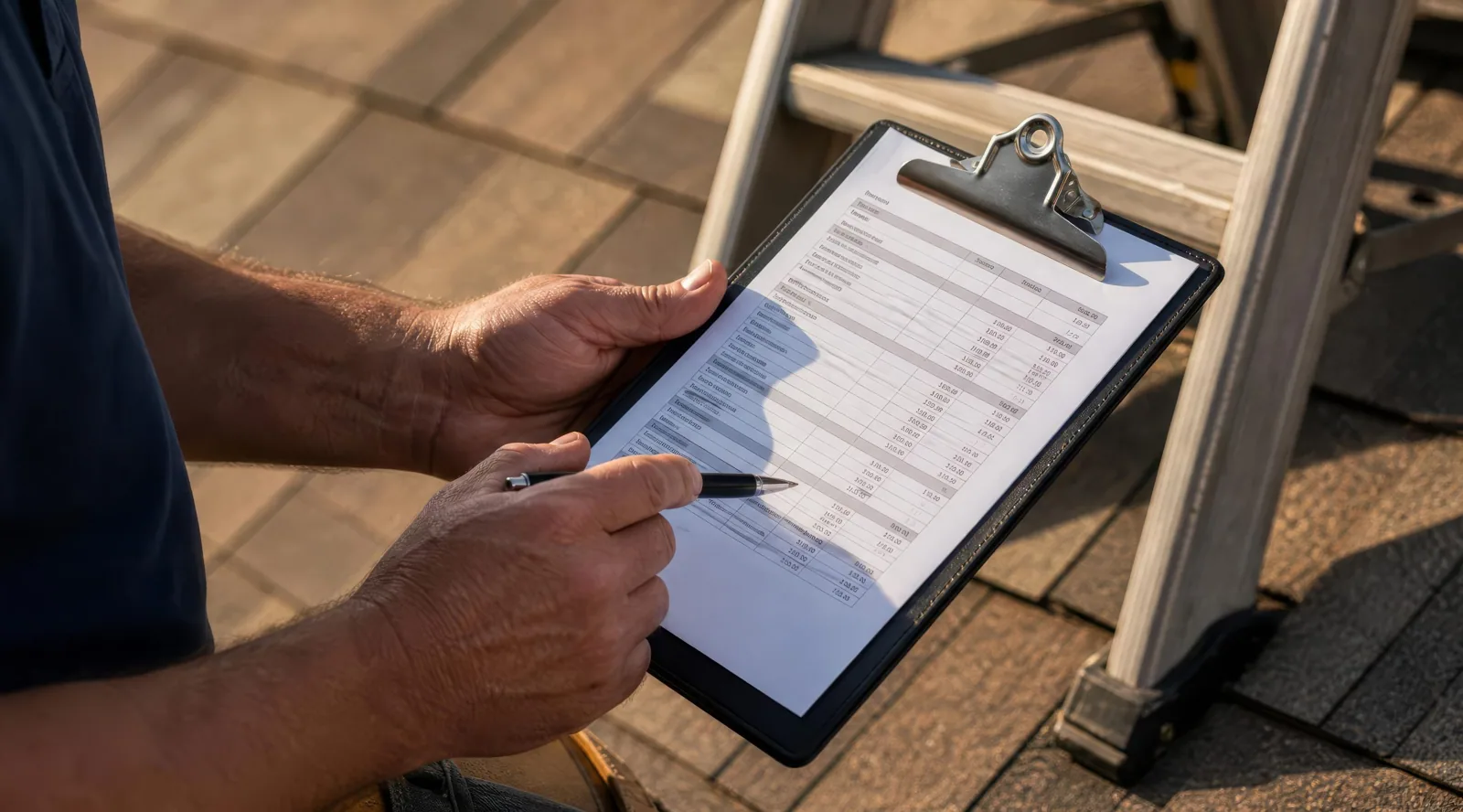
The first visit to every site uses the same checklist: membrane condition, seams, flashings, edge metal, drains, penetrations, rooftop equipment, and signs of moisture. The same photograph positions are used on each roof zone, and the same urgency labels are applied to every defect. Without that discipline, differences between buildings reflect differences between inspectors, and the ranking that follows cannot be trusted.
Where roofs use different systems, such as TPO on one building and modified bitumen on another, the checklist adjusts the technical details while keeping the structure. A tenant-facing retail roof and a back-of-house warehouse roof get the same rating scale, so the finance team can compare them even though their repair paths differ. The inventory that results is the base for tracking roof condition across the portfolio from then.
Heat adds one more constant. Because Mojave summers regularly push afternoons past 110°F, every site is checked for the same heat-related wear: hardened sealant, crazed coatings, and seams that have moved. Comparing that wear across buildings shows which roofs face the harshest exposure, whether from orientation, lack of shade, or heat from rooftop equipment.
Group Work by Geography and Season
A valley portfolio spreads along a few main routes. Boulder Highway is described by the city as a nearly eight-mile stretch of Henderson that links downtowns in Las Vegas, Henderson, and Boulder City, so sites along it can be handled in a single sequence of visits. North Las Vegas is a separate city within the same metropolitan area, and its Apex Industrial Park covers about 18,000 acres planned for industrial, logistics, and manufacturing development. Sites there belong in a different route from Boulder Highway properties.
Season also sorts the schedule. Repairs and coatings that need dry, moderate surfaces fit best outside the hottest hours of summer, and drain cleaning and edge work should be finished before monsoon storms arrive from July through September, according to the city's flood-control guidance. A program calendar places each site's work where it makes sense, and keeps crews close to the next site on the route.
Hold One Specification Across Sites
When several vendors patch several roofs, the same membrane gets three different repair methods. One program specification fixes that: it names the repair procedure for each membrane type, the flashing detail at curbs and walls, the sealants accepted, and the photographs that must be taken when the repair is finished. Each site receives the same quality bar regardless of who attends.
The specification also protects warranties. A repair that follows the manufacturer's accepted procedure keeps a roof eligible for coverage, and the program file shows it, which matters for keeping manufacturer warranties valid. For rooftop equipment, the program sets one rule for how any trade opens the roof, which stops a mechanical contractor at one site from creating a leak path that never appears in any record.
Fund the Program in Waves
Few operators can replace every roof at once, nor should they. The ranking sorts buildings into urgent repairs, funded projects, and watch items, and the funded projects are grouped into annual waves so spending is predictable. Each wave is sized with the same method used for capital planning on a single roof, applied across locations, and it lets a finance team see the whole schedule before committing to any single year.
Retail and restaurant operators may want waves timed to the selling calendar, so roof work avoids peak weeks, as retail and restaurant chains often prefer. Property managers who hold many owners' buildings need waves split by ownership, with each owner receiving its own file. The program structure supports both, because the inventory and ranking already hold the information needed.
Report Across the Whole Portfolio
A good program report fits on a few pages for the regional reader and carries the detail behind it for the site manager. The summary shows the count of sites by urgency tier, spending against plan, completed repairs, open leak calls, and upcoming warranty dates. The site pages show the roof plans, photographs, and history.
Emergency calls fit into the same structure. Leaks reported at any hour are logged to the site's record, and the repair is written up in the same format as planned work, so that an unplanned event does not create a gap in the data. Over a year, the reports show whether spending is steadier, whether repeat leaks are falling, and which sites are consuming more than their share. That evidence is what a property management company needs to explain its roof budget to owners.
Set Up One Roof Program for Many Buildings
Send the site list, roof plans, leak dates, recent repairs, rooftop equipment changes, and operating hours for each location. We will inspect every site to the same standard and return a ranked program plan.
Related Roofing Work
More roofing work and building types connected to this page.