
A grease stain spreading from a rooftop exhaust fan and a drip over a checkout lane are two different roof problems, though both arrive as the same email from a store manager. Chains see the same symptom at many locations and the same repair ordered again and again, and the roof at each location still needs to be read on its own. We start with the store: its roof zones, its equipment, its operating hours and what the last vendor left behind.
Henderson's retail and restaurant buildings sit in very different settings. Inspirada's Town Center plan describes shops, restaurants, public plazas and employment uses, the Galleria at Sunset is a named part of the Eastside Redevelopment Area, and the St. Rose Parkway frontage is identified as important for commercial and employment development. These facts help us find the property. They do not tell us what is on its roof.
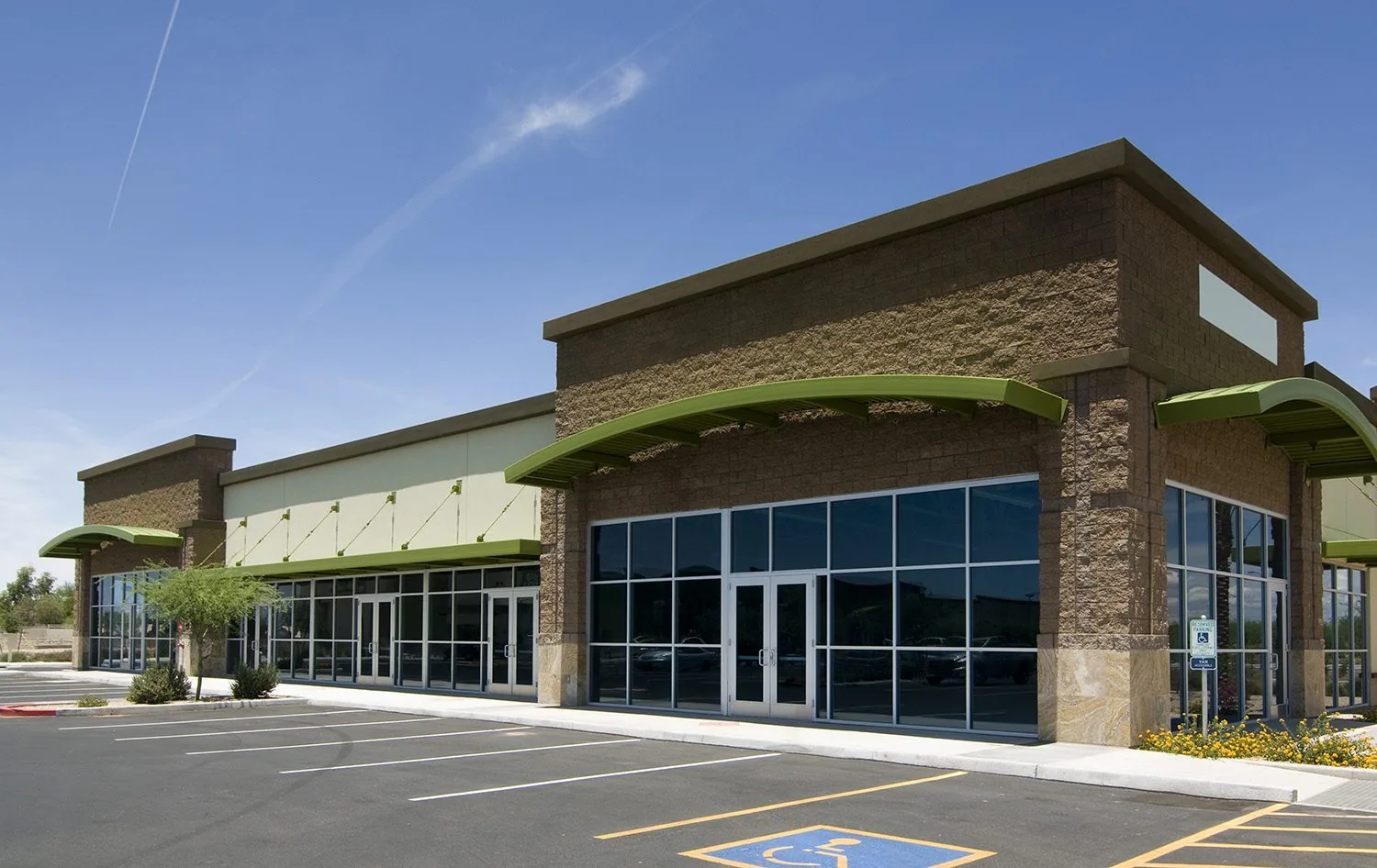
Treat the store as the unit of record
A chain's location code, landmark or parcel number should appear on every work order, photograph and report, because a roof file filed under the wrong store is worse than none. We label each roof by the store identifier first and by the street name second, and we keep the repair history for each building apart from its neighbors, even when they share an owner and a design.
Before the first visit we ask for the roof plan, equipment schedule, last inspection and the contact who can grant access. A store manager who is not the right person is not an obstacle, but the schedule should say who is, since a crew that arrives and cannot reach the roof has lost a day for everyone.
Photographs follow a fixed pattern so they can be compared across stores: one view from the roof access point, one of each equipment curb, one of each drain and one of any defect with a scale reference. When a regional manager flips between two stores, the same view is in the same place, which makes differences obvious.
Read the exhaust zone first on restaurant roofs
Kitchen exhaust is the most common source of premature wear on a restaurant roof. Hot, greasy air settles on the membrane around the fan, softens some single-ply materials and clogs drains downstream. We look for discoloration in the plume, soft or swollen membrane, failed sealant at the curb and condensate lines that empty onto the same patch of roof every day.
Cleaning comes first, then containment: a grease pan or a baffle at the fan costs far less than a section of sheet that has been chemically softened. Where the sheet has already weakened, we cut it back and replace that area with a membrane that tolerates grease. A restaurant roof scope also covers fan curbs, hood penetrations and the route water takes away from them.
Water from the kitchen side is its own issue. When a fan is washed down, or a cooler or rooftop unit drains onto the roof, the same patch of membrane stays damp day after day and wears out ahead of the field around it. We follow each line to where it empties, suggest a drain or a splash pad for the discharge, and leave any change to the line itself with the plumbing or kitchen-equipment trade.
Keep stores trading while the roof is open
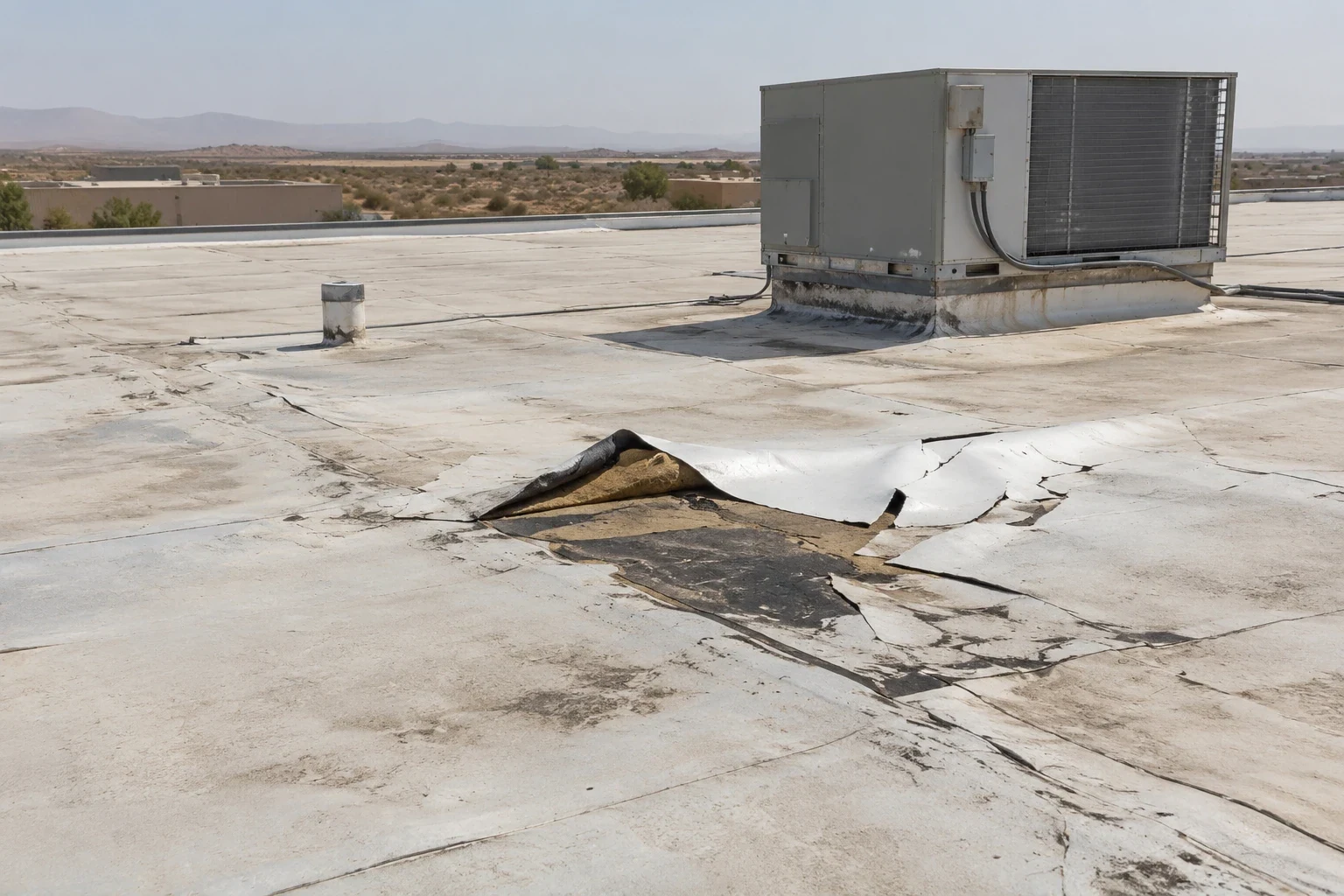
Customer flow and deliveries decide the work plan. We confirm opening hours, delivery windows, drive-through lanes, fire lanes and where a lift can stand without blocking the entrance. Noisy work is moved away from peak service, material staging stays out of parking that customers need, and an interior contact is named before the first opening is made.
When a chain operates in strip centers, the landlord's access rules and the neighboring tenants' needs enter the plan too. A shopping center roof shared by several tenants is mapped by bay, so a leak in one store is not blamed on another's rooftop unit without evidence.
Check the large box and the small box differently
A big-box store has broad roof area, many units and long drainage paths, so a small blockage can back water across a large field. A small pad building has a few curbs and a single drain, so one failed detail can matter more. We adjust the walk to the building: pattern coverage on the large roof, detail-by-detail on the small one.
The big-box retail roofing considerations add skylight, loading-dock and signage-support details that smaller buildings rarely have. Whichever size, the report lists what was reached, what was blocked by equipment and what would need a test.
Plan for heat, monsoon rain and the permit date
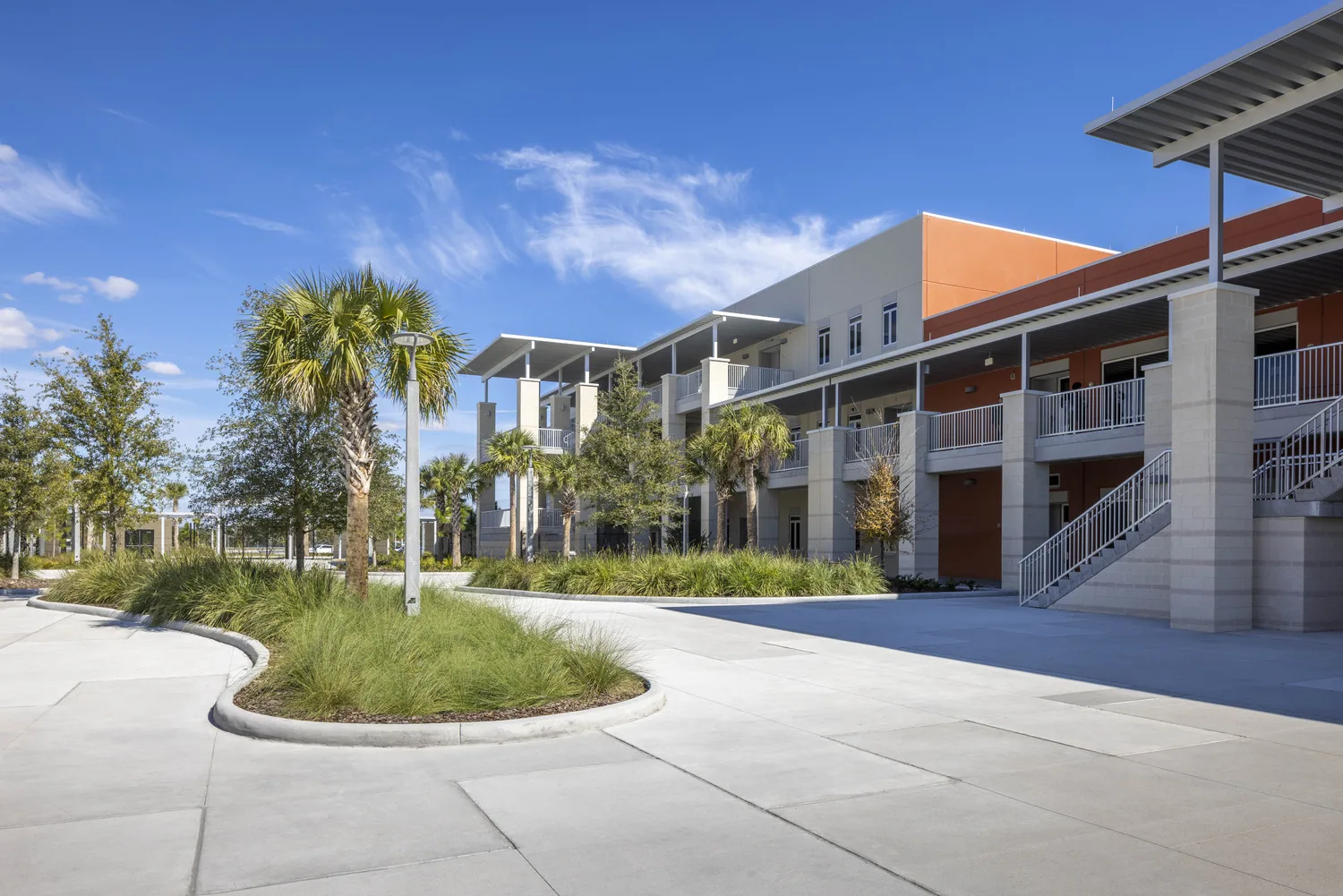
Summer afternoons above 110°F are regular here, so exposed membranes and coatings are checked for chalking, shrinkage and loose seams before they are asked to carry another season. July through September storms can bring intense rain to one shopping district and spare another, which is why outlets and overflow scuppers are cleared and tested in late spring.
Replacement scopes are tied to permit date as well. Applications received on or after January 2, 2026 follow the amended 2024 codes Henderson adopted, so a chain that is rolling out reroofs across stores should confirm insulation and wind requirements with its design professional rather than copy the last store's specification. For a chain that works through stores over several seasons, the sequence also considers which roofs are most exposed, with older, sun-baked membranes and roofs with a history of repairs moving up the list.
Build a repeatable record across locations
The goal is a format the chain can apply at every store while keeping each store's findings separate. A report identifies the roof zone, the observation, a photograph, the test performed and the follow-up owner. A regional facilities manager can then see, for example, which stores have recurring drain issues and which have equipment-related leaks.
Chains with hotel or restaurant holdings can borrow practices from hospitality groups, and managers who oversee leased space can follow the format described for property management companies. A store in Inspirada and one on the St. Rose Parkway corridor are separate records, since planning labels do not make roofs alike.
At closeout, each store receives its own packet with the completed-zone drawing, dated photographs, product data and warranty papers, and the chain's headquarters receives a summary of the same facts. Any area that could not be reached is marked as not inspected, so a quiet report is never mistaken for a clean one.
Send the store list and the exhaust schedule
Share addresses, roof plans, equipment lists and open leak tickets. We will walk the roofs, mark exhaust and drainage zones and return a store-by-store record for your facilities team.
Related Roofing Work
More roofing work and building types connected to this page.