
Modified bitumen roofs use asphalt-based sheets reinforced for low-slope commercial applications, with performance tied to laps, flashing, and the layers below. In Henderson, NV, exposed roof surfaces face strong sun and large temperature shifts between roof and air. We inspect the installed plies, seams, cap sheet, drains, and penetrations before recommending repair, restoration, or replacement. The estimate describes the application method and transition work instead of treating a modified roof as one generic roll product.
We identify the existing assembly from records or field evidence and check its condition by roof zone. A repair must bond to sound material and address the full area of failure. If the roof contains moisture or multiple older overlays, we recommend verification before covering additional layers. That helps the owner compare a targeted repair with a broader project using confirmed assembly details. We also ask whether the roof has undergone previous overlays, because added plies can affect flashing heights, drainage, and the amount of material that can remain in a future recover.
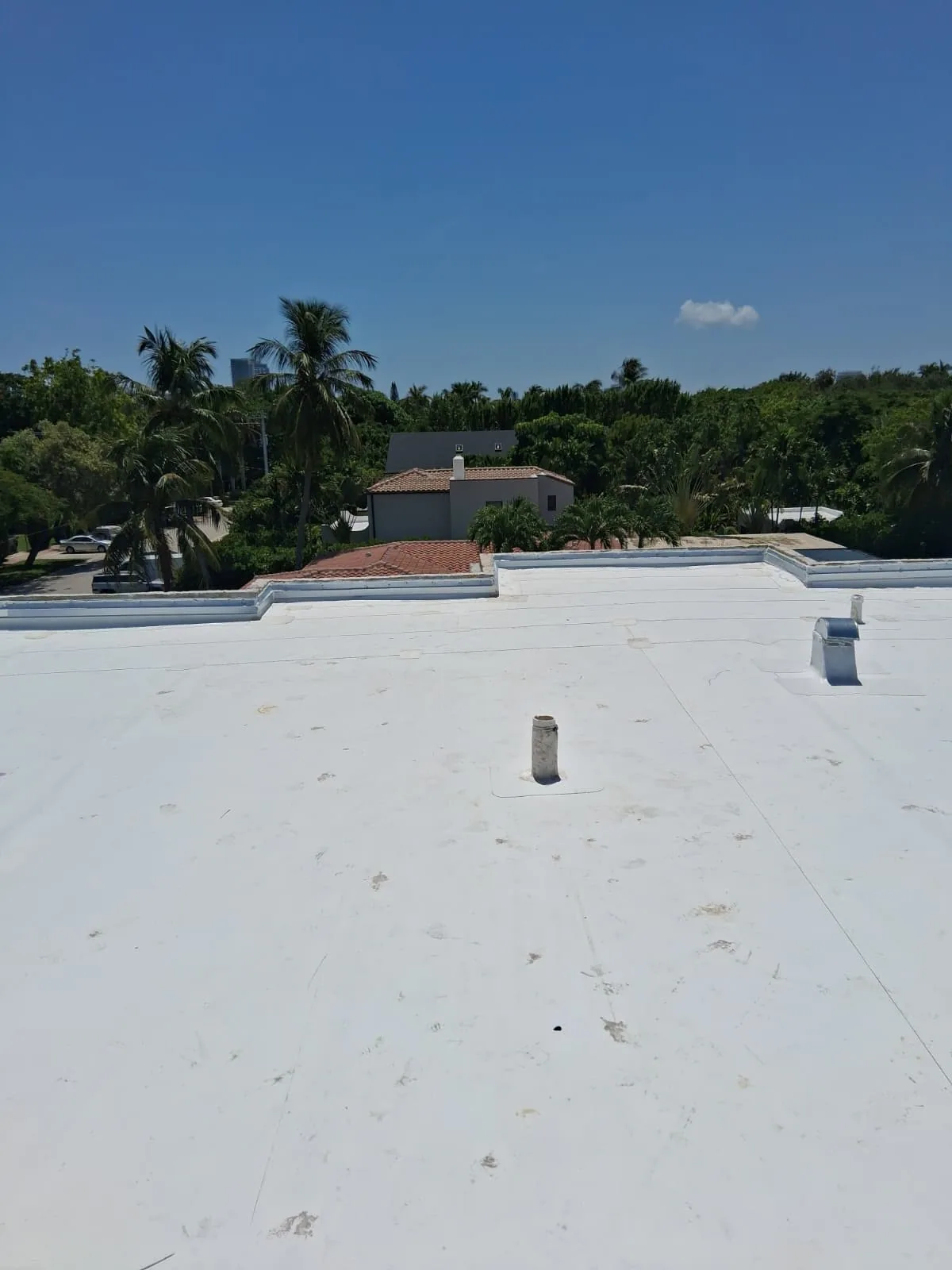
Inspect the Plies and Cap Sheet
Modified bitumen systems may have multiple plies, a base sheet, and a mineral-surfaced or coated cap sheet. We look for open laps, blistering, splits, surface loss, and movement around curbs and drains. A surface crack can be isolated, or it can reflect stress through several layers. We check adjacent seams and the substrate before defining a patch. If the condition extends under the cap sheet, a small surface application may not reach the failed layer.
Henderson’s emergency guidance notes that typical summer afternoons exceed 110°F. Heat can soften asphaltic materials and make walking or repair work more demanding, so we plan access and application around safe conditions and product instructions. We note any areas with exposed reinforcement or loose granules and inspect whether roof traffic or water flow contributed. The City’s temperature information is local context, not evidence that a specific roof has heat damage.
A roof inspection maps surface changes, laps, and transitions. If insulation may be wet, infrared scanning can help select areas for a test cut when conditions support the survey. We confirm moisture directly before replacing hidden material.
Choose a Repair Method for the Assembly
Repair method depends on the modified bitumen product and surrounding layers. Heat-welded, torch-applied, cold-applied, and self-adhered systems do not use interchangeable details. We confirm the installed materials and any fire-safety restrictions before work. Surface preparation, primer, patch dimensions, and lap direction are specified to create a repair that sheds water rather than trapping it at an edge.
At a drain, curb, or wall transition, the flashing must connect to the existing layers and provide a secure termination. We inspect corners for folds, voids, and open laps, then include any underlying repair required. A drain detail or equipment curb can require coordination with plumbing or mechanical trades. The scope separates those interfaces before the crew begins. We confirm whether another trade must expose the area before roofing materials are staged. For torch-applied work, we inspect the work area for combustible materials and coordinate fire-watch and hot-work controls required by the building or project. Cold-applied and self-adhered methods have their own surface and temperature limits. We identify the specified method before mobilization and do not substitute one application type for another without approval.
Where asphaltic sheets meet metal or membrane materials, the transition needs a compatible termination and secure edge. A coping and edge review can address perimeter flashing that has opened. We photograph the finished lap and note the application conditions for later inspection.
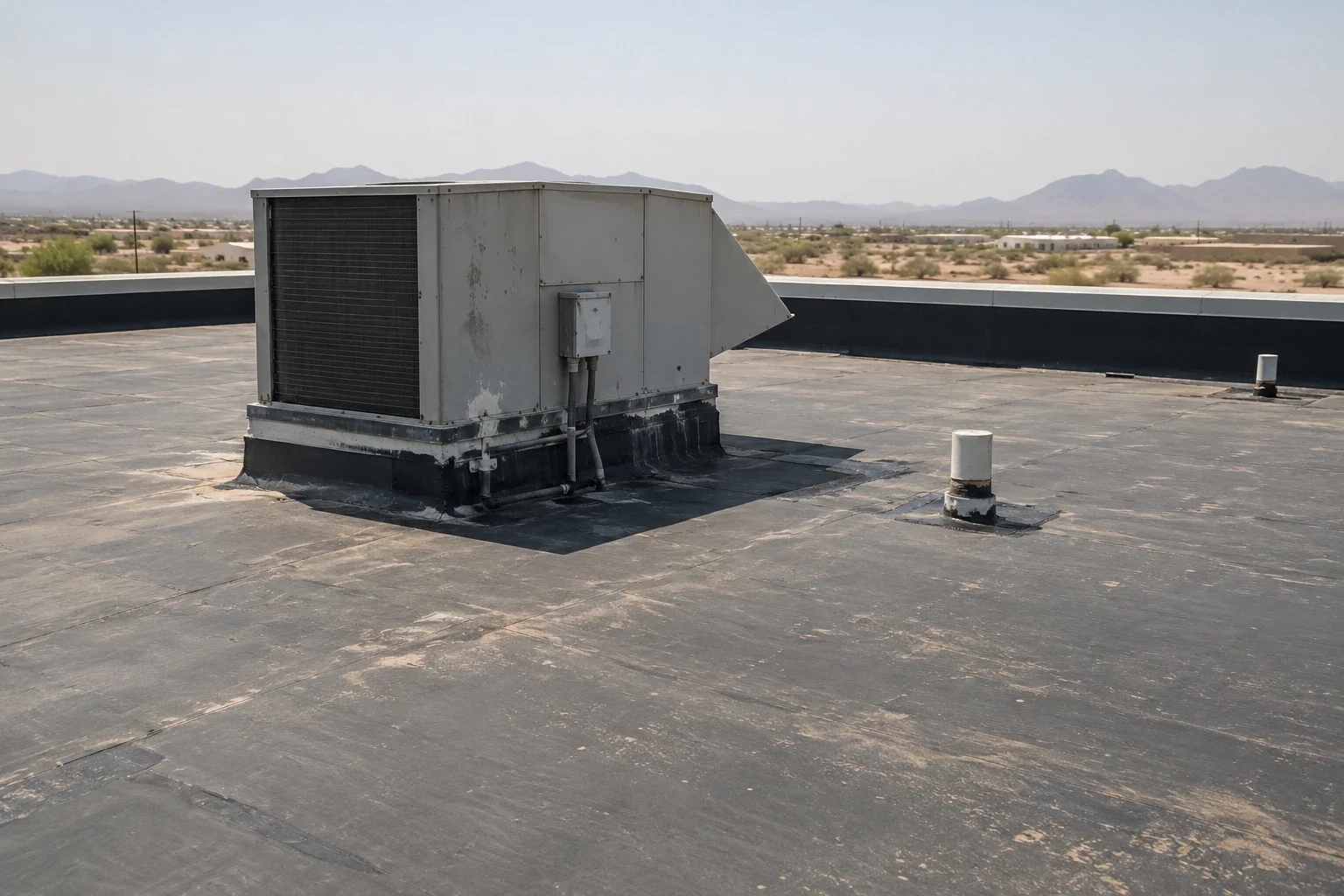
Compare Repair With Roof Renewal
A localized repair is appropriate when the surrounding plies remain bonded and dry, and the patch can terminate on sound material. Blisters, repeated splits, or multiple overlay layers can indicate a wider issue. We inspect the roof records and repair history, then identify whether additional test cuts will clarify the extent. If the deck or insulation is damaged, a surface-only fix leaves the underlying condition unresolved.
Replacement can restore the assembly when deterioration spans multiple roof zones or the existing layers cannot provide a stable base. We compare a tear-off with an approved recover based on moisture, attachment, drainage, and code review. A recover assessment tests whether existing material can remain, while a replacement scope identifies new layers, edge details, and disposal. The comparison includes tear-off, disposal, insulation replacement, drainage correction, edge metal, and protection of occupied areas. If only one section is renewed, we identify how the new material transitions to the remaining roof and what future maintenance that seam will need. This gives the manager a scope that accounts for both initial work and the building’s later service access.
A modified bitumen roof may also be compared with TPO or EPDM where the owner is evaluating a different membrane. We explain system tradeoffs in relation to the roof, access, and maintenance plan. We do not select a replacement based on a general claim that one product suits every building.
Document Work for Henderson Conditions
Henderson flood-control guidance describes summer storms that can bring intense local rainfall and flash flooding. We inspect the roof’s drainage path and identify how water interacts with laps, low points, and outlets. A water stain after a storm does not establish which layer failed; the roof and interior observations determine the next test. The report records what was seen, repaired, or left for follow-up.
The city’s employment areas include office, flex, industrial, warehouse, and manufacturing properties. For each building, we coordinate access, rooftop equipment, and operating hours with the property manager. A West Henderson service call or a visit near the Boulder Highway corridor uses the same roof-specific inspection process.
After repair, closeout photos identify the lap, flashing, and roof zone. A maintenance visit can recheck those areas and clear accessible outlets. The owner can compare future changes with the original repair boundary and decide whether a larger renewal should be planned. The record also identifies the product and application method used, which helps a future crew avoid applying an incompatible patch over the repaired area.
Review a modified bitumen roof
Share roof plans, system documents, repair history, and leak dates. We will inspect the plies, transitions, and drainage and outline a compatible repair or renewal scope.
Related Roofing Work
More roofing work and building types connected to this page.