
A principal calls about a drip in a classroom, and the roof over that room is one of several on a campus built in stages. A district facilities office hears this call from many campuses at once, and the useful answer is rarely at the ceiling tile. It sits in a roof plan, a repair history and a decision about whether the building can wait for summer. We help a district hold those three things in one record, campus by campus.
Schools are occupied buildings with fixed calendars. A 110°F afternoon is nothing unusual in a Mojave summer, and that limits the hours a crew can safely work on a hot roof; a monsoon storm in July, August or September can also land in the middle of a summer project. Both go into the schedule before a purchase order is issued.
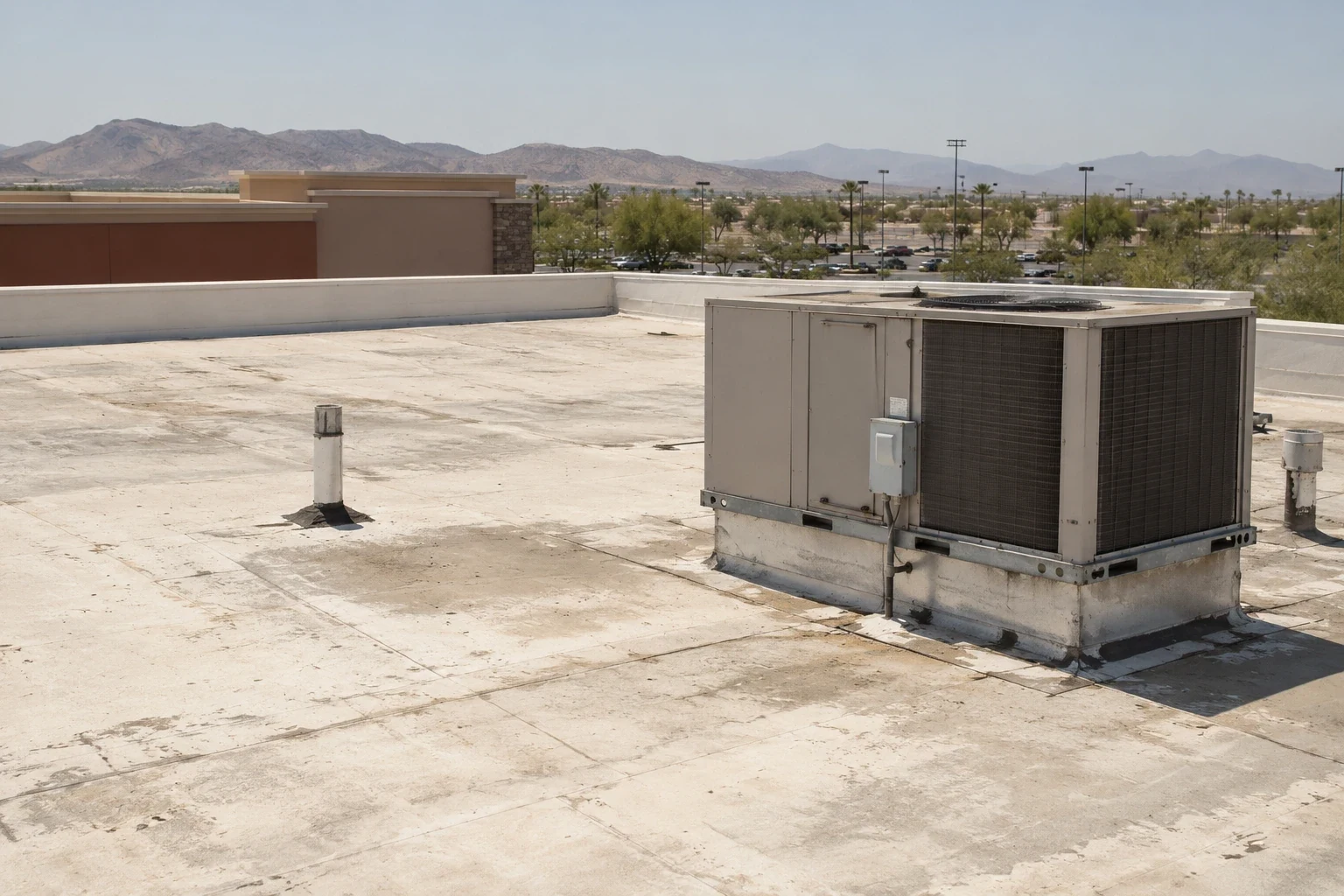
Start with a campus roof inventory
Each school may have a local name for its wings, but the roof record needs a stable one. We build the inventory with a building identifier, roof zones, assembly type where it can be confirmed, drains, equipment, repair history, photographs, access limits and follow-up items. A principal or custodian can help maintenance staff translate terminology, especially during an active leak.
Keeping that inventory in one place lets the district compare roofs on the same fields, as described in roof capital planning. Findings stay with the building. A gym, a cafeteria and a classroom wing added later can share a street address and still need three different answers.
Fit the work to the school calendar
Summer is the obvious window for large projects, but heat and storms limit it too. Summer heat narrows the working hours on a roof surface, materials have temperature limits, and a staged replacement can be interrupted by a monsoon storm. We write weather holds and temporary protection into the schedule, and we divide the roof into sections that can be dried in each day.
During the school year the approach changes. Noisy work moves to afternoons or breaks, drop zones are fenced away from walkways, and the crew is briefed on bus lanes, pickup times and fire lanes. For a school roof that cannot wait until June, a temporary repair is documented as temporary and given a return date.
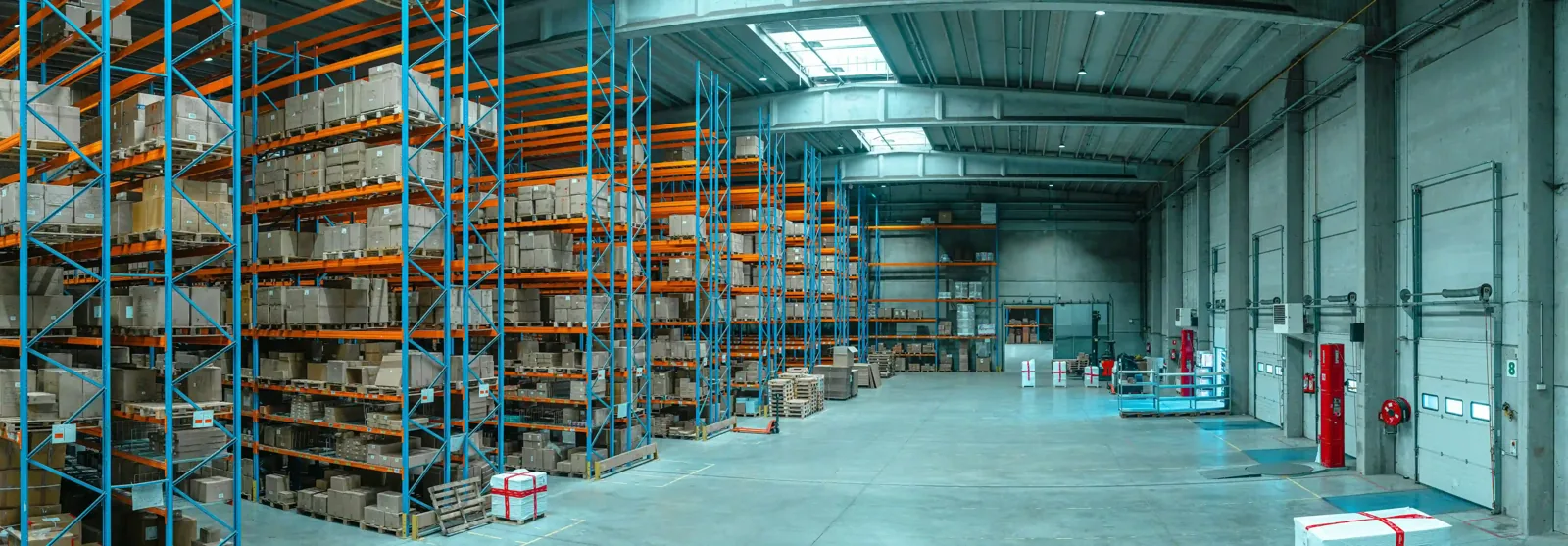
Protect classrooms, kitchens and gyms differently
A cafeteria kitchen puts exhaust on the roof, and the grease and heat age the membrane near the fans. A gym often has a high clear-span ceiling that makes a leak hard to reach from below. A science wing may have exhaust and intakes that have to stay running. We map these differences into the plan, with the custodial or facilities team naming the contact for each space.
When a roof repair affects a gym or an assembly space, the custodial team needs time to prepare the room safely, and the roofer needs to know when the room reopens. Both facts are written into the work order, along with the person who releases the space.
Campus clinics and health rooms sometimes sit under the same roof as classrooms. Where a nurse's office or a medical room is below the work area, the planning habits described for healthcare systems apply to that room, including who approves a shutdown and who confirms the interior afterward.
Control access without slowing repairs
Schools restrict roof access for good reasons. Keys, ladders and hatches are controlled, and students and visitors must be kept off ladders and out of staging. We agree on the arrival check-in, the route to the roof and the person who opens it before the crew arrives, so that a leak call at seven in the morning does not wait for someone to find a key.
The same rule applies to other trades. A technician who must cross the roof for an HVAC service call follows the access plan and reports damage immediately. The district's public agency procurement path may require more documentation, and a record of who entered the roof and when is part of it.
Visitors and vendors get the same briefing as district staff. A short sign-in sheet at the roof access point, kept with the work order, answers the question of who was on the roof on a given day, which can matter when a membrane is found damaged after several trades have visited.
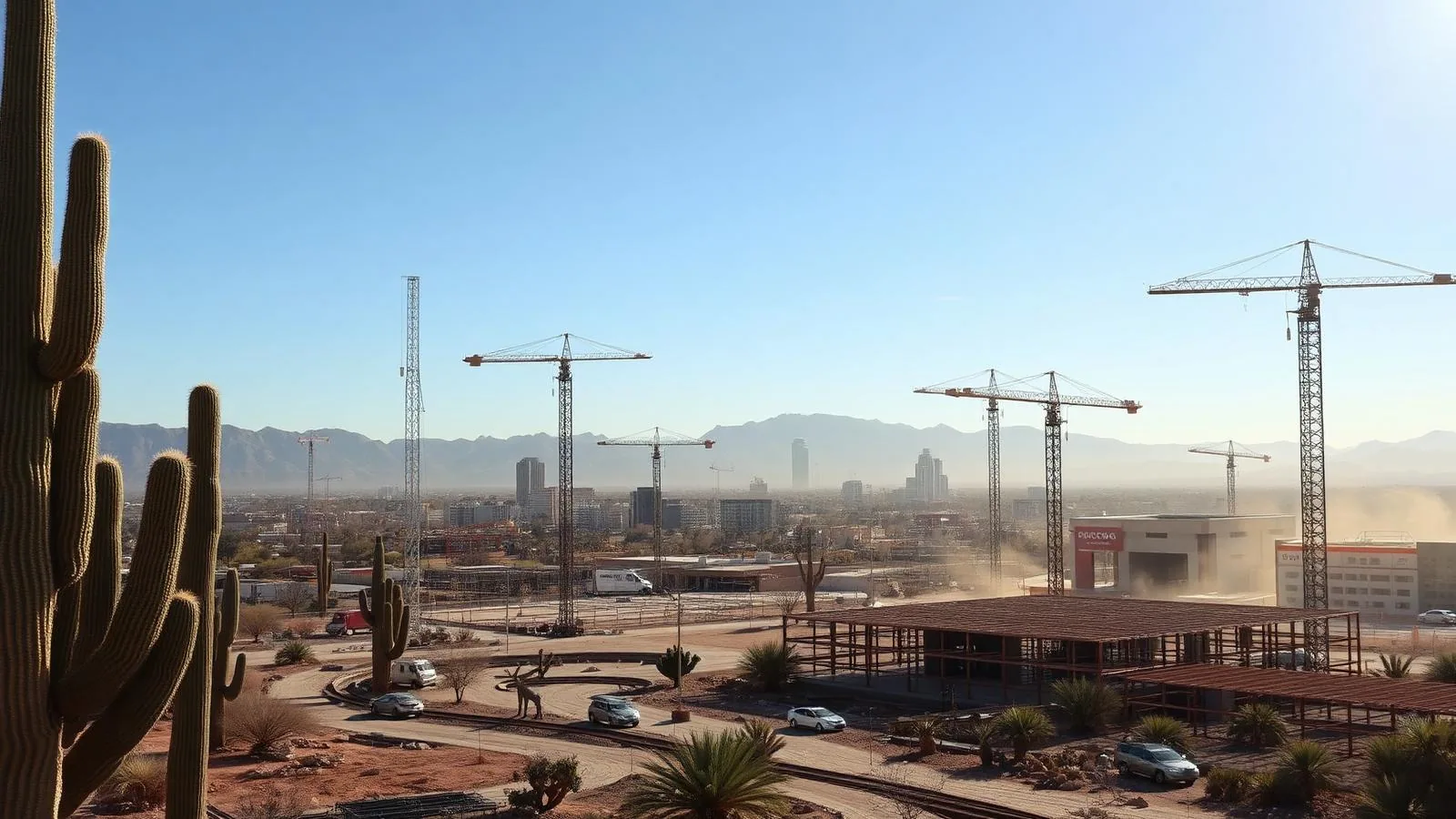
Rank campuses by condition, not by complaint
The loudest leak is not always the worst roof. A ranking that uses inspection evidence puts active leaks and fragile details first and leaves stable roofs on a monitoring schedule. A preventive roof maintenance program supports that ranking by clearing drains, checking flashings and recording changes before storm season.
Heat and ultraviolet exposure add up on south-facing, unshaded roofs, so exposed modified bitumen surfaces, aging coatings and sealants are checked first. We state which findings are observed and which need a test, so budget requests rest on evidence a board can follow. When a board member asks why a roof was not replaced this year, the answer is in the file: the test results, the remaining life estimate, the cost of waiting and the condition that would change the recommendation.
Place each campus in its neighborhood without borrowing its findings
Campus location helps a district plan travel and deliveries. Street access, neighboring construction and parking will differ between a school in Green Valley, an established master-planned community, and a building near Downtown Henderson. Their roofs differ for different reasons, and each is walked on its own.
Permits follow the calendar too. The city's amended 2024 building and energy codes govern permit applications from January 2, 2026 onward, which means a replacement project needs its insulation and wind requirements confirmed by the design professional ahead of bidding.
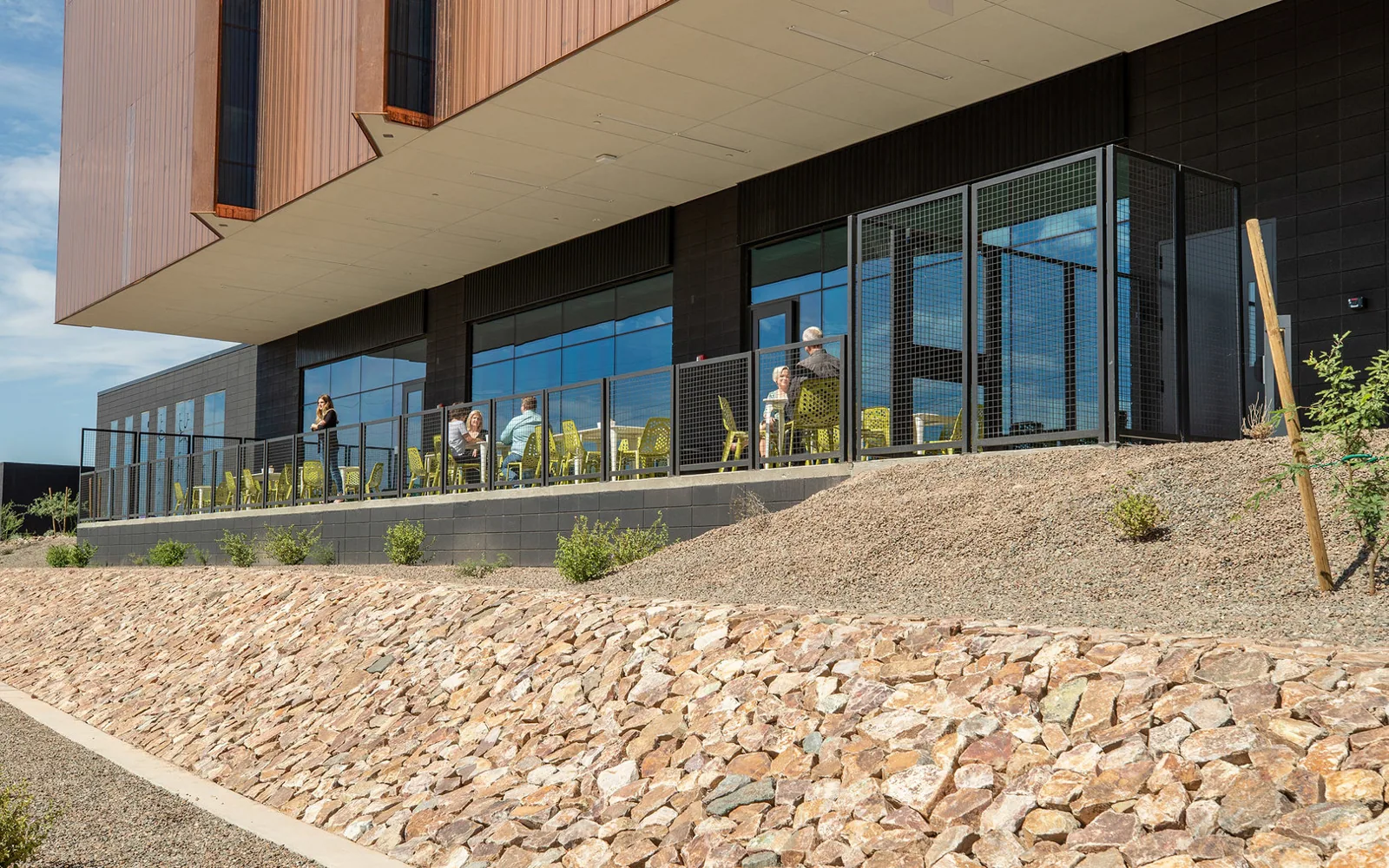
Close each project so the next team can use it
When the work ends, the district gets a marked map of the finished zones, dated photographs, product data, warranty papers, test results, and open items that each have a named owner. A repeat leak report is not closed just because an invoice is paid; it is compared with the earlier record to see whether the same detail failed or a new one did.
Capital staff and campus staff need different views of the same file. The campus gets a short note on what was repaired and where to watch, while the district keeps the full record and the unresolved questions. That split keeps the information simple at the school and complete at the district office, and it means a new principal inherits a clear note instead of a binder.
Plan the campus roof review with us
Send the school list, roof drawings, leak history and your summer calendar. We will inspect campus by campus, map the roof zones and return a ranked plan your facilities office can schedule.
Related Roofing Work
More roofing work and building types connected to this page.