EPDM is a synthetic rubber membrane used on low-slope commercial roofs, with seams and flashings assembled using system-compatible materials. In Henderson, NV, high solar exposure and hot roof surfaces make membrane condition, adhesive compatibility, and edge details important to inspect. We verify the installed assembly, substrate, and repair history before recommending an EPDM repair or replacement. The written scope identifies the membrane, seam method, insulation, attachment, and transitions included.
EPDM work begins with evidence, not color alone. We check the surface, seams, penetrations, drains, and perimeter securement, then confirm product type and age from records or field conditions. A patch must be compatible with the existing membrane and prepared for the selected adhesive or flashing method. At edges and corners, we also check whether shrinkage has pulled the sheet tight or exposed fasteners. Those details can indicate movement beyond the initial tear and change the length of membrane that must be reset. If the sheet is damaged beyond the visible area, we extend the repair to sound material.
Confirm the Membrane and Substrate
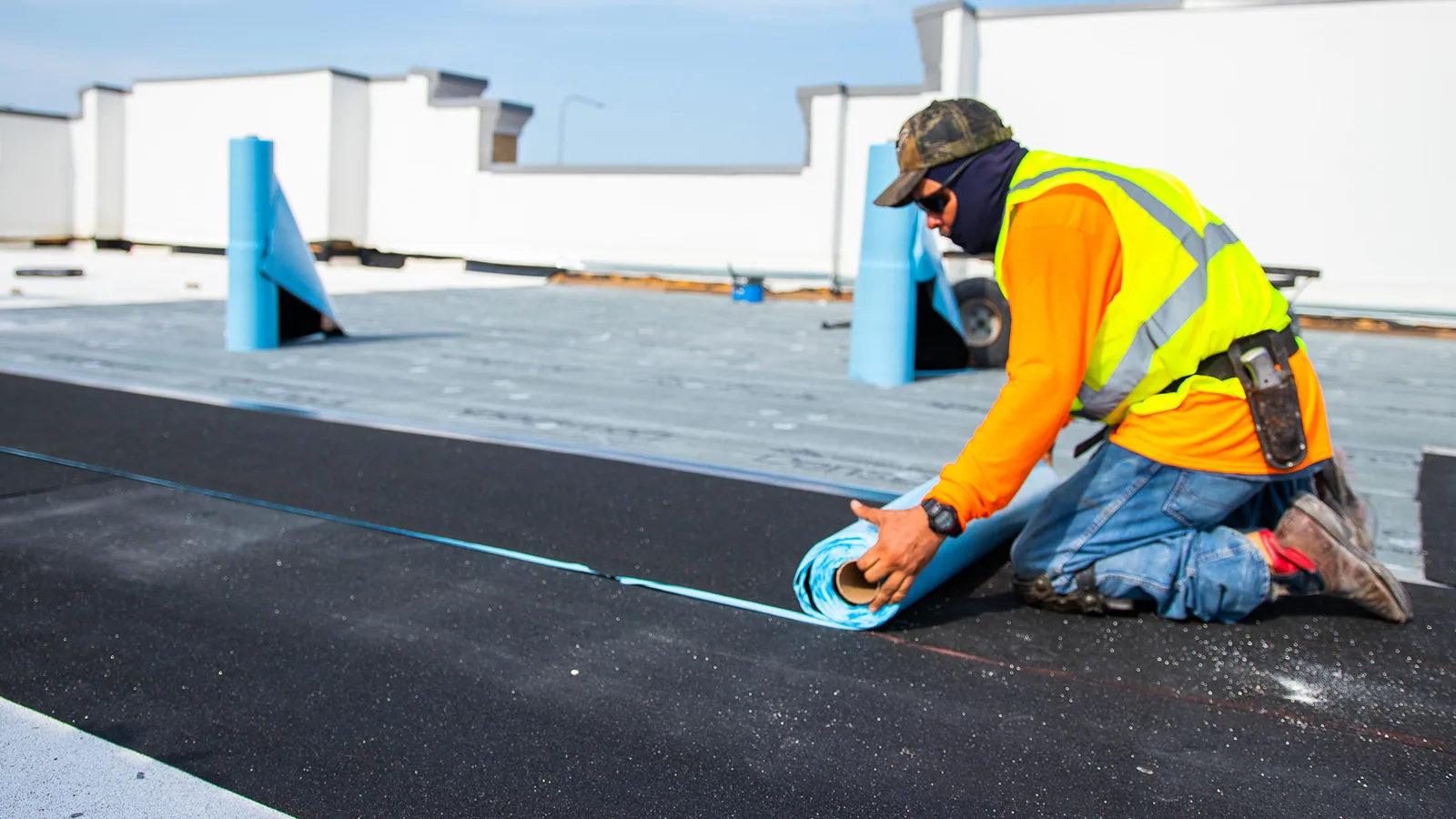
EPDM membranes may be fully adhered, mechanically attached, or ballasted, depending on the design. We inspect the attachment and roof deck where visible, and review drawings or original documents when available. If a recover is proposed, the existing layers must be dry, stable, and suitable to remain. Test cuts can confirm concealed insulation and deck conditions when those details affect the project scope.
Henderson's emergency information describes summer daytime temperatures above 110°F as common in the Mojave. Heat exposure can accelerate aging and affect how adhesives behave during installation, but the local climate does not establish that one EPDM roof has failed. We look for shrinkage, open seams, surface damage, brittle flashings, and movement at the perimeter. Findings are tied to roof zones and photographs so the owner can distinguish a local repair from a broader system issue.
A commercial roof inspection maps seams, penetrations, drains, and prior patches. If moisture below the sheet is suspected, an infrared survey can prioritize locations for confirmation with test cuts when weather and roof conditions support a reliable scan.
Restore Seams and Flashing
EPDM seams may use tape or adhesive systems according to the installed product and approved detail. We clean and prepare the surface, check material compatibility, and follow the required lap width and cure conditions. A repair should terminate beyond the defective portion onto sound membrane and protect the transition from water entry. We inspect seam intersections and corners carefully because those locations have more complex geometry than a straight lap.
Curbs, pipes, drains, and parapets need compatible flashing materials and secure terminations. A pipe boot that has lost flexibility or a curb corner with separated flashing can allow water below the membrane. Our equipment curb review can define the roofing detail while the mechanical contractor handles the unit. At drains, a drain assessment checks the membrane termination and clamping components. If the existing surface has talc or oxidation, the cleaning procedure needs to prepare the area without damaging the sheet. We check adhesive tack, lap alignment, and pressure as part of the repair sequence. At corners, a separate flashing piece may be needed to avoid folds that leave a channel for water. The final method follows the installed system and approved materials.
Henderson flood-control guidance describes intense local rainfall during the monsoon season. After a leak report, we inspect both the suspected seam and the route water follows across the roof. A blocked outlet can cause water to collect near a sound lap, while a failed flashing can leak even where drainage is clear. Field observations narrow the source.
Select a Repair or Replacement
A localized EPDM patch can make sense when the surrounding membrane is flexible, clean, and bonded. We remove loose or contaminated material, prepare the patch area, and install compatible membrane or flashing. If shrinkage has pulled the sheet away from the edge or curb, the repair must restore securement rather than bridge the gap with surface adhesive. We check nearby seams and fasteners to establish how far the condition extends.
Broad cracking, widespread seam failure, repeated leak calls, or wet insulation may support a system replacement rather than continued patching. We compare the affected area with the repair history and ask whether the roof can remain in service during a phased project. A TPO system or PVC alternative can be considered against project requirements, but the selection must reflect attachment, exposure, compatibility, and intended service. We also compare the cost of repeated access and patching with the remaining repairable area. If the roof is near a transition, a future project should be coordinated so a new membrane does not terminate against unstable EPDM. The property manager can use the documented failure locations to decide whether to complete another isolated repair or plan a broader project during a chosen operating window.
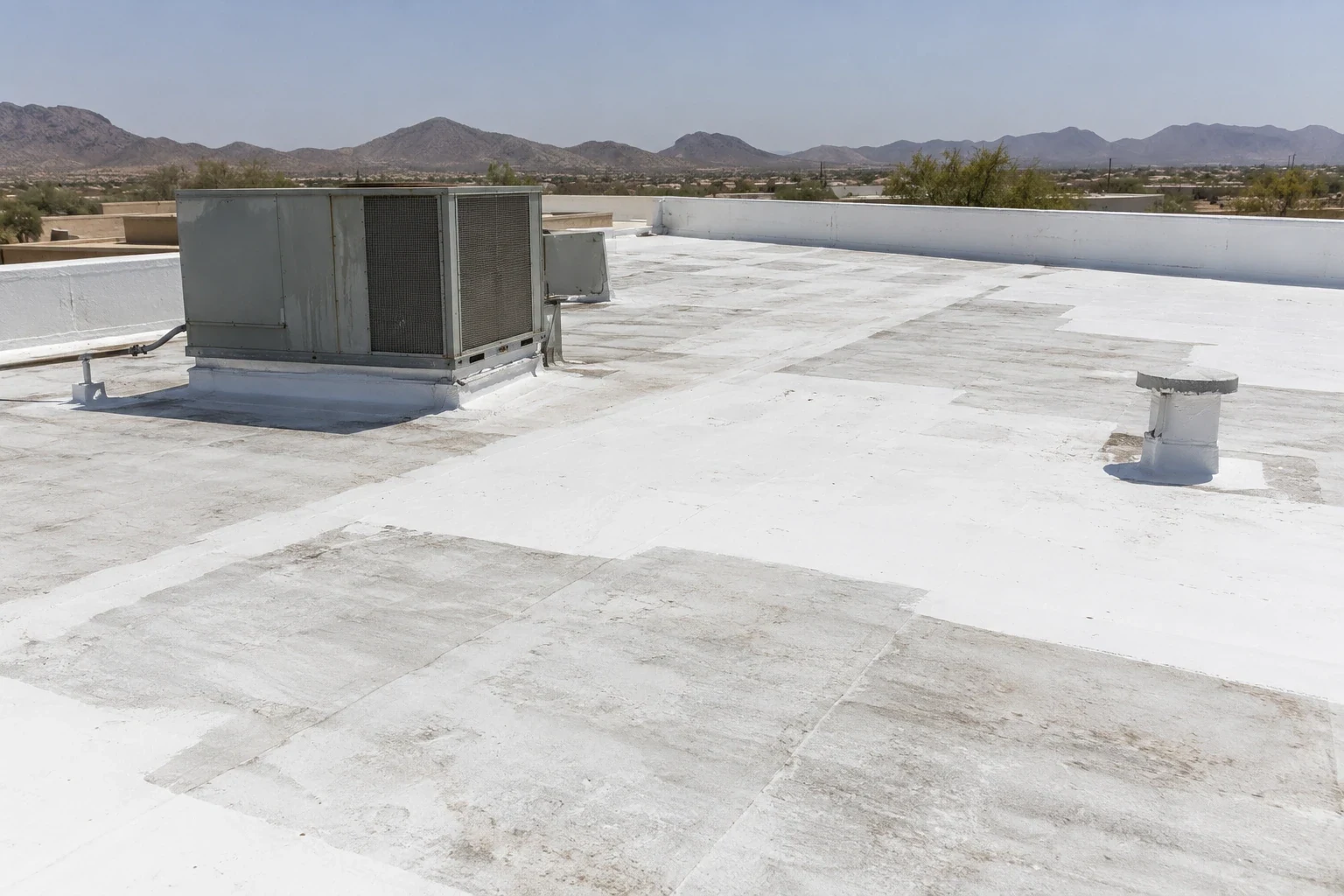
For restoration, a coating review can evaluate whether the membrane and substrate qualify for a compatible system. Coating does not correct loose EPDM or wet insulation. We define any required repair, test, or removal before pricing the surface work.
Preserve the EPDM Roof Record
Closeout photos document repairs, seam work, flashing transitions, and any areas opened for testing. We identify the installed membrane and products used where records are available, note the repair boundary, and list follow-up items. If another contractor needs roof access, the property manager can provide the assembly record to support compatible maintenance and avoid damage from unplanned penetrations.
Henderson employment centers include offices, flex properties, warehouses, light industry, and manufacturing. Service traffic and equipment access can vary among those uses. We coordinate with the building manager to identify walk routes and roof areas that should remain clear. Properties in West Henderson and the Sunset Industrial Corridor receive recommendations tied to their actual roofs and records.
A maintenance visit can inspect seams, edge securement, drains, and repair areas over time. If conditions change, the new report can be compared with dated images and the original scope. That lets the owner see whether an EPDM detail has stabilized or needs a different repair plan.
Review an EPDM roof condition
Share roof plans, membrane records, repair history, and access hours. We will inspect seams, flashing, and drainage, then document repair or replacement options.
Related Roofing Work
More roofing work and building types connected to this page.