
A written roof inspection is useful only when its observations lead to a decision. In Henderson, NV, heat, UV exposure, and short intense storms put different demands on seams, flashings, drainage, and rooftop equipment. We inspect the roof system by zone, record visible conditions with photographs, and distinguish confirmed defects from areas that need testing. The result gives a property manager a practical basis for repair, maintenance, or capital planning instead of a collection of unranked observations.
Before the walk, we review available roof plans, prior reports, leak records, and equipment changes. On site, we compare those records with the assembly and the building’s current use. If access is limited or a condition cannot be verified from the surface, the report says so and identifies a next step. That way the owner knows what the inspection established and what remains open.
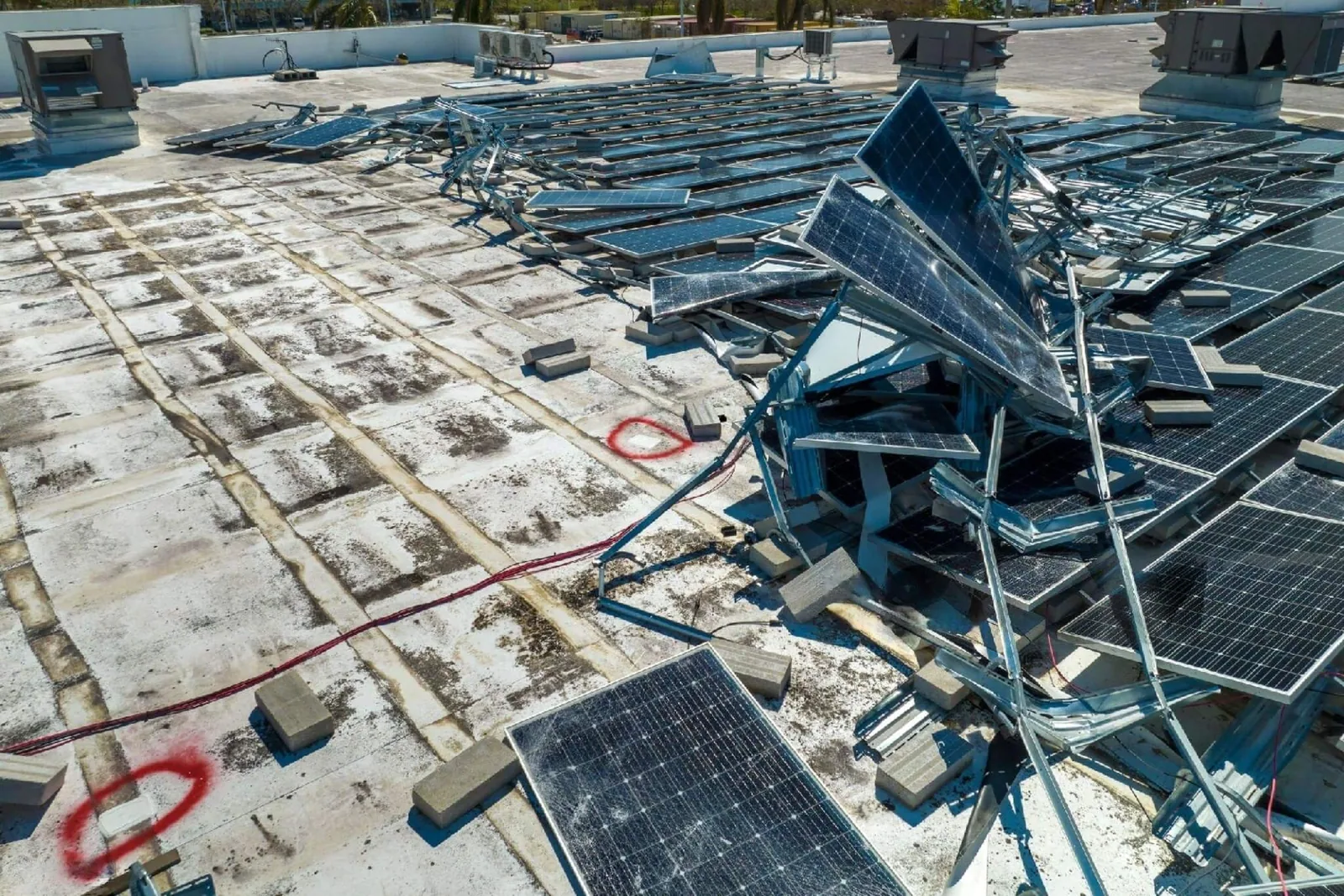
Inspect the Assembly by Roof Zone
We start with the roof membrane or metal surface, then follow the transitions that keep water outside: seams, perimeter edges, curbs, drains, expansion joints, and penetrations. The inspection notes surface wear, separation, movement, patch history, and any change in the substrate that can be seen safely. We also look at where water collects, how it reaches an outlet, and whether rooftop service work has altered flashings or support details.
Henderson emergency guidance describes regular summer daytime temperatures above 110°F. A hot climate makes membrane movement, surface aging, and sealant condition relevant, though a weather fact does not prove damage at one property. We document each observed condition with its location and context. A section of weathered membrane may be serviceable, while a small opening at a curb can need immediate attention. The report ranks findings by evidence and consequence rather than by how dramatic a photograph looks.
In commercial buildings, the roof interacts with HVAC, exhaust, electrical, and access systems. We identify visible conflicts such as loose supports, deteriorated pitch pans, or blocked service paths, then describe the roofing work needed. A curb and equipment review can focus on those transitions. Where drainage is involved, we record the outlet, strainer, slope, and nearby seams instead of simply labeling an area as ponding.
Separate Observation From Confirmation
Surface inspection cannot answer every question below a membrane. We note whether material is loose, cracked, open, or visibly wet and identify where the deck or insulation is concealed. If moisture is suspected, we discuss whether an infrared survey, test cut, or other diagnostic step would answer the owner’s question. The report does not treat a temperature pattern as proof of wet insulation or a stain as proof of a roof source. Confirmed facts and follow-up needs stay separate.
Henderson’s flood-control guidance describes monsoon-season storms from July through September that can overwhelm drainage and cause flash flooding. That makes drains, scuppers, and low points important inspection locations. We check for debris and visible obstruction, then trace how water exits the roof. If an outlet is inaccessible or a slope condition needs measurement, the report calls for a closer check. The citywide storm context informs the inspection focus, while findings remain specific to the roof we examined.
For concealed moisture, an infrared moisture survey may help target test locations when weather and assembly conditions are suitable. If the survey indicates a pattern, direct verification can determine whether the affected layer is wet and how far it extends. This evidence matters when comparing a localized repair with removal, a recover, or replacement. The owner receives a clear description of the test’s role in the decision.
Make Findings Actionable
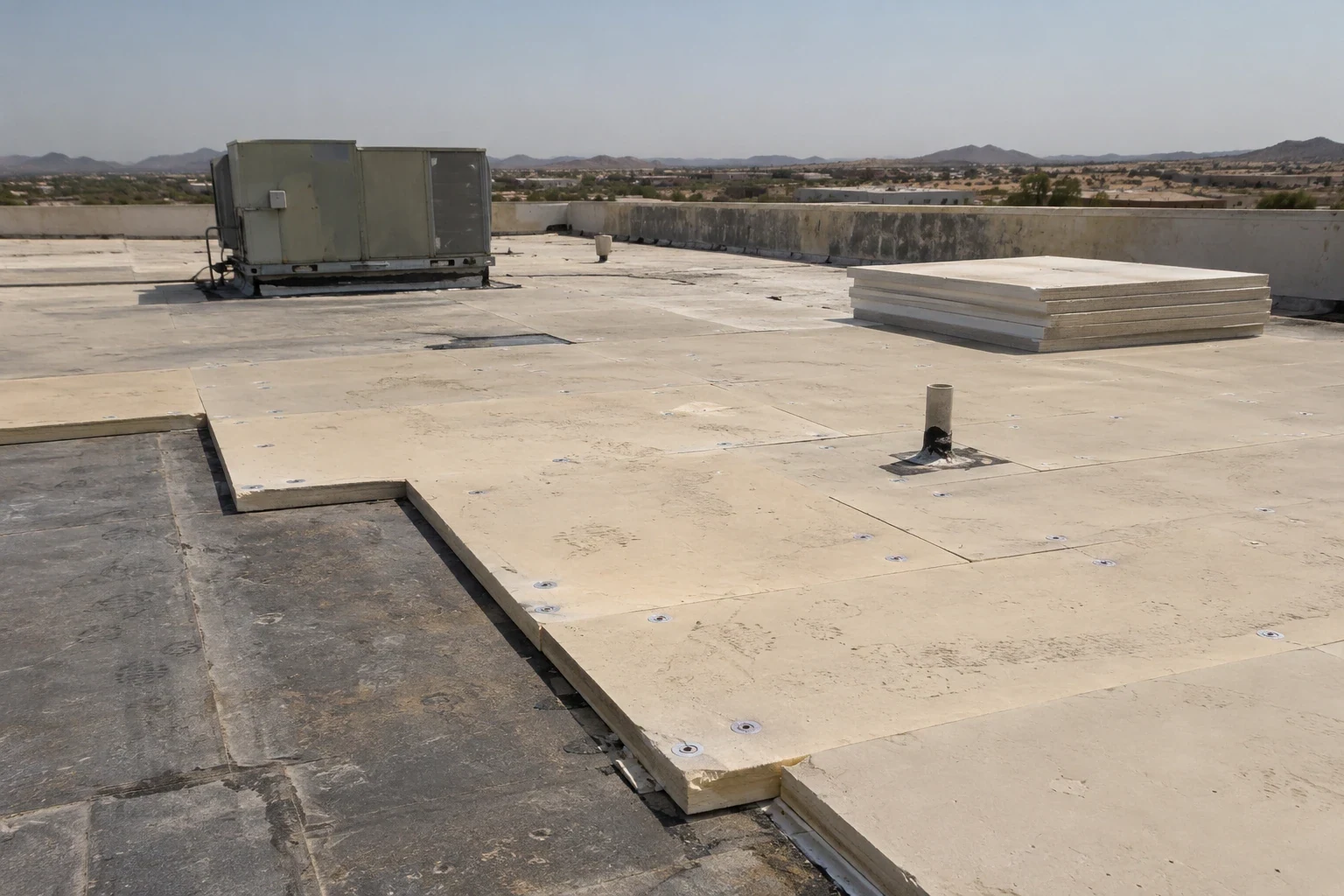
A useful report groups issues by roof zone and urgency. It describes the observed condition, why it matters to water control or service life, and the next action that can resolve it. We include photographs that identify location and scale, plus notes on access limits or concealed layers. When a repair is appropriate, the report outlines the area and the detail involved. When a larger question remains, it names the test or additional inspection needed before pricing a permanent scope.
Owners often need to separate immediate work from planned renewal. A failed seam may be a focused repair; widespread coating wear or saturated insulation can require a different comparison. We explain what can be maintained, what should be repaired, and which areas should be monitored. A condition report can support discussions with asset teams by recording the evidence and recommended timing in a consistent format.
Current Henderson code guidance says the city adopted the 2024 International Building Code and 2024 International Energy Conservation Code with local amendments effective for permit submittals received on or after January 2, 2026. If planned work may require a permit, we identify that the scope needs code review and confirm applicable requirements with the permitting authority. The inspection records roof conditions; it does not substitute for project-specific code determinations.
Tie the Roof to Building Operations
Inspection planning includes the building below. We ask about operating hours, tenant needs, sensitive equipment, roof access, and planned mechanical work. That context affects safe sequencing and helps explain why one roof zone may need immediate attention while another can be scheduled with a broader project. We do not infer roof condition from a property category; we look at the actual assembly and the owner’s records.
Henderson’s employment centers are planned for office, flex, light industrial, warehouse, manufacturing, and business-park uses. These uses make roof access, equipment coordination, and drainage planning relevant across the market. A property near West Henderson or the Sunset Industrial Corridor still needs a roof-specific inspection. We use those broad place names for local context, not as evidence about any individual building.
When an inspection finds multiple repair needs, an owner can group work by access area, system type, or operational window. Our maintenance program can track cleared drains, repaired details, and changes between visits. The record makes future comparisons meaningful because it identifies where we looked and what we observed on that date.
Schedule a documented roof inspection
Share roof plans, leak records, prior reports, equipment changes, and access hours. We will inspect the assembly, photograph conditions, and identify the next decision.
Related Roofing Work
More roofing work and building types connected to this page.