A loose edge, open seam, or soft spot can look like one repair from the parking lot. In Henderson, NV, heat cycling and sudden monsoon rain make the path below the surface matter as much as the visible defect. We inspect the membrane, adjoining seams, flashing, drains, and rooftop equipment before selecting a repair boundary. That lets the work address the condition that caused the leak instead of covering a symptom with a patch that cannot stay bonded.
Commercial roof repair is a sequence of diagnosis, preparation, and controlled detailing. We record the affected roof zone, check the surrounding assembly, and distinguish a local failure from a condition that reaches into insulation or deck. The written scope explains what can be repaired now, what needs testing, and how access or occupied operations shape the work window.
Trace the Failure Before Opening the Roof
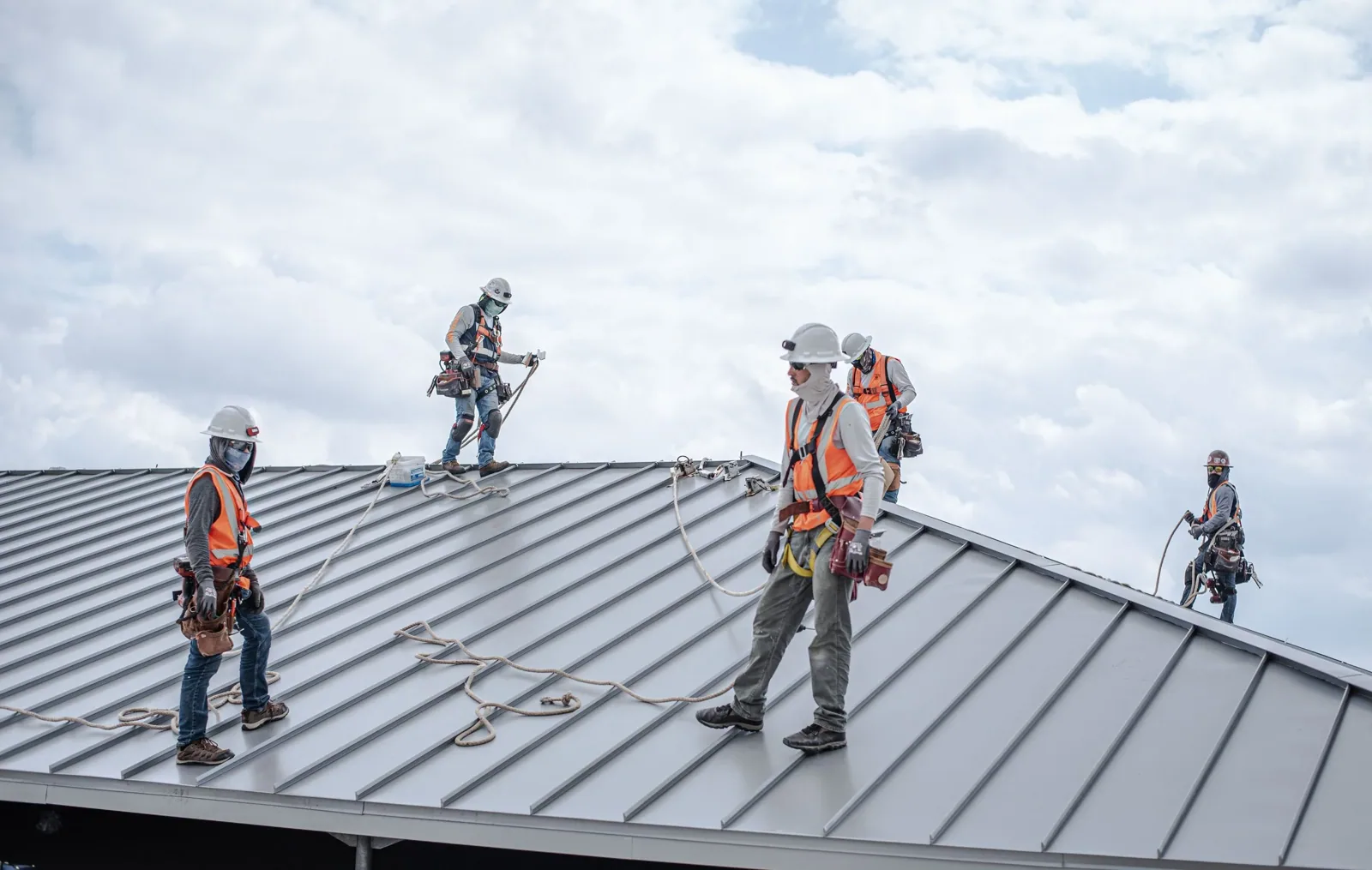
The first useful observation is where the roof changes direction or material. A seam beside a curb, a drain bowl, an expansion joint, and an edge termination each fail in different ways. We photograph the area, compare it with repair records, and follow water uphill where practical. The goal is to determine whether water entered at the apparent defect, traveled from another detail, or has another source inside the building.
Henderson emergency guidance describes summer daytime temperatures above 110°F as regular in the Mojave Desert. Heat exposure can increase movement at transitions and stress sealants, but temperature alone does not identify a failure. We check adhesion, fasteners, membrane condition, and substrate before choosing a repair material. On an older roof, a sound patch boundary matters: new material must bond to a prepared, compatible surface, not dust, chalking, or wet insulation.
Our written commercial roof inspection records visible conditions and the limits of what can be confirmed without opening the assembly. If moisture is suspected below the membrane, an infrared moisture survey can help map areas for follow-up testing when weather, surface conditions, and roof construction support that method. The survey is one input to a decision, not a substitute for verifying the assembly.
Prepare a Repair That Can Hold
A durable repair begins with preparation. We remove loose material, clean the approved bond area, and bring the surface to the condition required by the repair system. The patch needs sound membrane around the opening, properly formed corners, and compatible flashing where a curb or penetration interrupts the field. If a wet or deteriorated layer extends beyond the visible defect, the scope may need a controlled opening and replacement of affected materials rather than a wider surface patch.
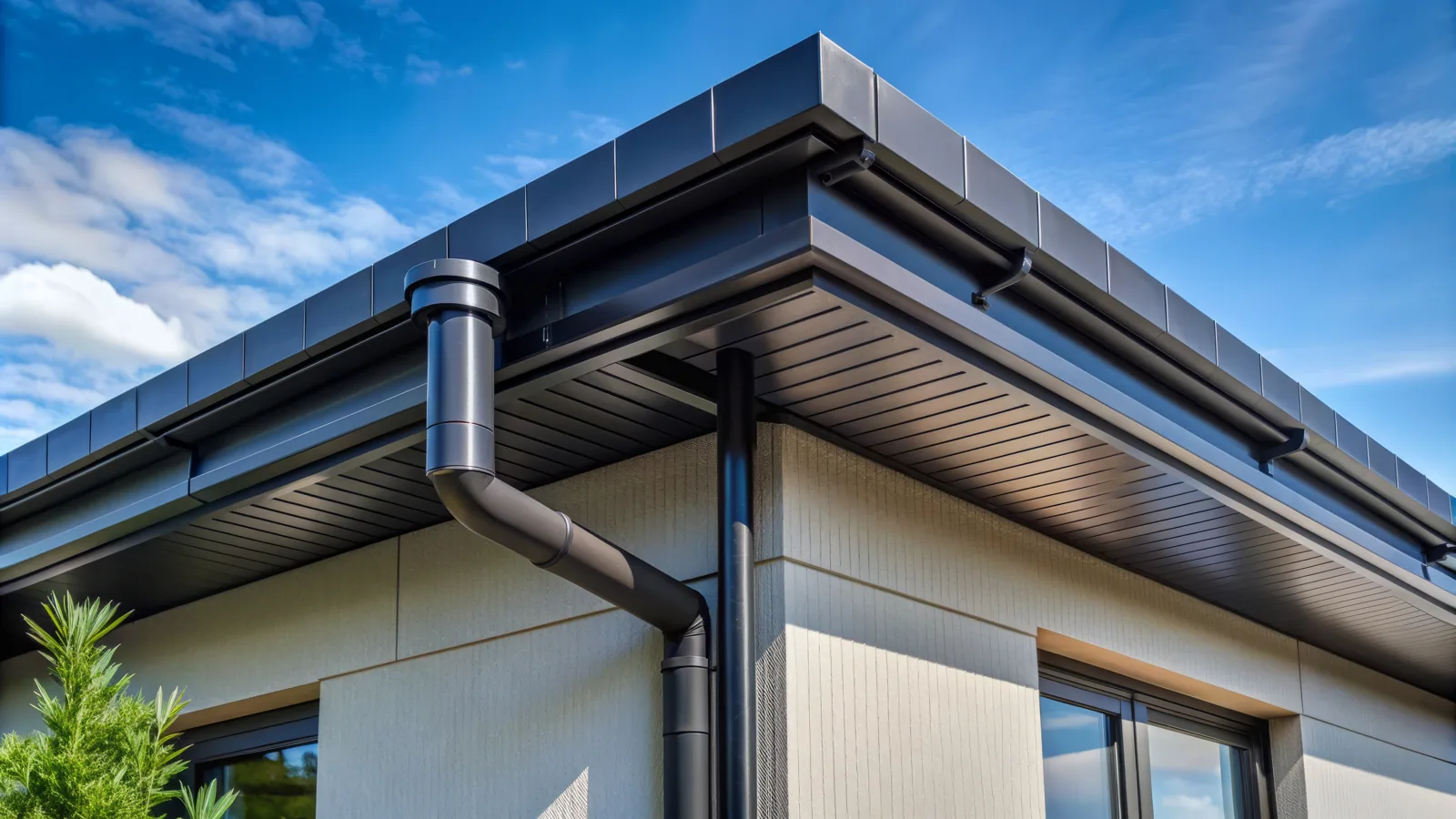
Drainage failures call for more than sealant around a drain. We inspect the bowl, clamping ring, strainer, slope, nearby seams, and the route water follows to the outlet. Henderson flood-control guidance notes that July-through-September storms can bring intense localized rain and flash flooding. That pattern makes clear drainage paths important, but it does not establish a defect at any particular property. The roof walk identifies whether debris, a blocked outlet, low framing, or a failed detail needs attention. A focused drain and scupper assessment can clarify whether repair work should include those components.
On a single-ply roof, we match the method to the membrane and existing attachment. A TPO patch, PVC detail, or modified bitumen repair has different preparation and flashing requirements. We confirm the installed assembly from records or field evidence before specifying materials. A repair bridging incompatible surfaces may lift at its edge or trap water, so the scope names the system and transition being corrected.
Protect Access and Building Use
Repair timing depends on access, temperature, wind, rain, material cure, and how the building operates beneath the work zone. A tenant entrance, loading area, rooftop mechanical unit, or production shift can change how we stage tools and protect the interior. We confirm roof access, identify required escorts or permits, and coordinate shutdowns only when the work requires them. Where the building remains occupied, we isolate the repair area and keep the agreed route clear.
Henderson employment centers include office, flex, light-industrial, warehouse, manufacturing, and business-park uses. The roof requirements differ among them. A warehouse may need loading continuity; a production space can require care around air intakes; an office may need quiet access outside a meeting schedule. We use those documented land-use patterns to plan a conversation with the property manager, not to assume anything about an individual roof.
Buildings around West Henderson and the Water Street District sit in distinct commercial settings, yet the same practical record helps both: roof plan, leak dates, prior patches, and access hours. For a portfolio, a condition report can keep repair observations tied to roof zones and make follow-up work easier to compare.
Choose the Right Repair Boundary
After inspection, we separate immediate water-entry work from items that can be scheduled. A local seam repair may fit when the field membrane remains sound. A curb detail may require new flashing and a check of the equipment support. Widespread surface wear, repeated wet insulation, or a repair history that crosses multiple zones can point toward larger rehabilitation or replacement. Those are different scopes, with different access, material, and disposal needs.
Cost is driven by preparation, the repair system, the number and type of details, substrate condition, access, and whether an opening reveals concealed damage. We describe these drivers in the proposal rather than applying a single per-spot assumption. Photos identify the work area; notes describe what the repair includes and where the boundary stops. If testing is needed before a firm scope, we explain what question the test should answer.
A scheduled preventive maintenance visit can catch separated sealant, loose flashings, and obstructed drainage before a storm. It does not replace a repair where water has reached the building. Our follow-up record distinguishes completed work, observations to monitor, and conditions that merit a new inspection.
Set the repair boundary
Share the roof plan, leak dates, previous patches, equipment changes, and building hours. We will inspect the affected zone, document the repair options, and coordinate access around the property.
Related Roofing Work
More roofing work and building types connected to this page.