
Preventive maintenance is most useful when it follows the roof’s drainage and repair history. In Henderson, NV, summer heat can age exposed materials while monsoon storms test low points and outlets. We walk the roof on a planned schedule, clear accessible drainage, inspect seams and flashings, and record new conditions by zone. The visit helps identify changes before they become larger repair needs. It gives the property manager a current record and a chance to address developing details before the next work order. We compare this record with the agreed maintenance interval and flag any location where a prior repair has reopened. If a component cannot be seen from the approved route, we identify the access or testing needed rather than marking it clear. The manager can use that note to assign a follow-up and retain the inspection boundary.
We start with roof plans, prior reports, leak dates, and any new rooftop equipment. On site, we compare the installation with those records, photograph changes, and separate routine cleaning from repair recommendations. The owner receives a list of completed tasks, observations to monitor, and defects that need a separate scope. That structure makes maintenance useful for both daily operations and longer-term budgeting.
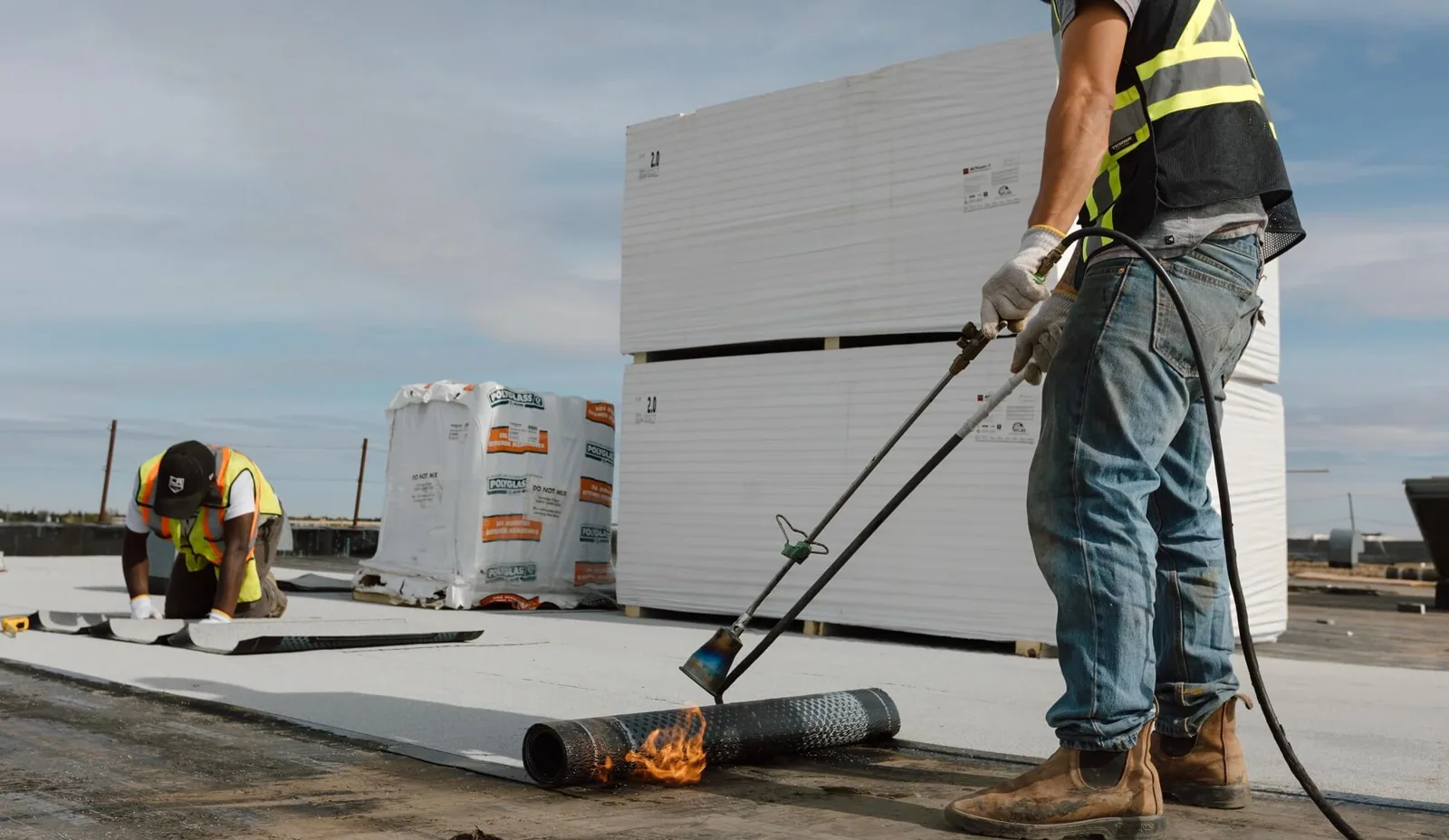
Set a Visit That Matches the Roof
Inspection frequency depends on the roof system, age, exposure, equipment traffic, drainage design, and prior findings. A site with repeated drain blockage may need more frequent checks than a roof with clear outlets and stable seams. We recommend a cadence after reviewing the assembly and operating record, then revisit the interval when repairs or equipment changes alter the risk. Henderson’s hot, dry climate does not remove the need to inspect after storms or contractor access.
The city's emergency guidance describes summer afternoons above 110°F as common in the Mojave Desert. We plan roof walks for safe conditions and follow product and site requirements around temperature. A hot surface can change how sealants and repair materials behave; the maintenance record notes when work is deferred because conditions are not suitable. The schedule also accounts for the building below, including tenants, loading periods, and critical equipment.
For properties in West Henderson or the Green Valley area, the roof plan and use of the building remain the basis of each visit. We do not assume a system type from location alone. A baseline roof inspection can establish roof zones, assembly, and existing conditions before a recurring maintenance program begins.
Keep Water Moving to the Outlets
Drainage checks begin at the roof surface and end at the outlet. We remove accessible debris where authorized, check strainers and bowls, note signs of slow drainage, and look for seams or flashing near areas that hold water. A blocked drain can create a maintenance task; a low spot caused by deck deflection or poor slope needs a different review. We record both the observation and the next step so routine cleaning does not mask a structural or membrane issue.
Henderson flood-control guidance says monsoon-season storms from July through September can bring intense localized rain and flash flooding. That context makes clear drainage important, but citywide weather information does not establish conditions on a particular roof. Our report identifies the outlets and paths actually checked, including any area that could not be safely reached. If a drain connection or scupper needs repair, we define the detail and keep it out of the cleaning line item.
A targeted drain and scupper service can address deteriorated bowls, loose clamping rings, or edge drainage. We also examine nearby ponding areas for membrane and insulation evidence. A shallow water mark alone is not a repair diagnosis. We compare its duration, extent, drainage route, and surrounding assembly before recommending correction.
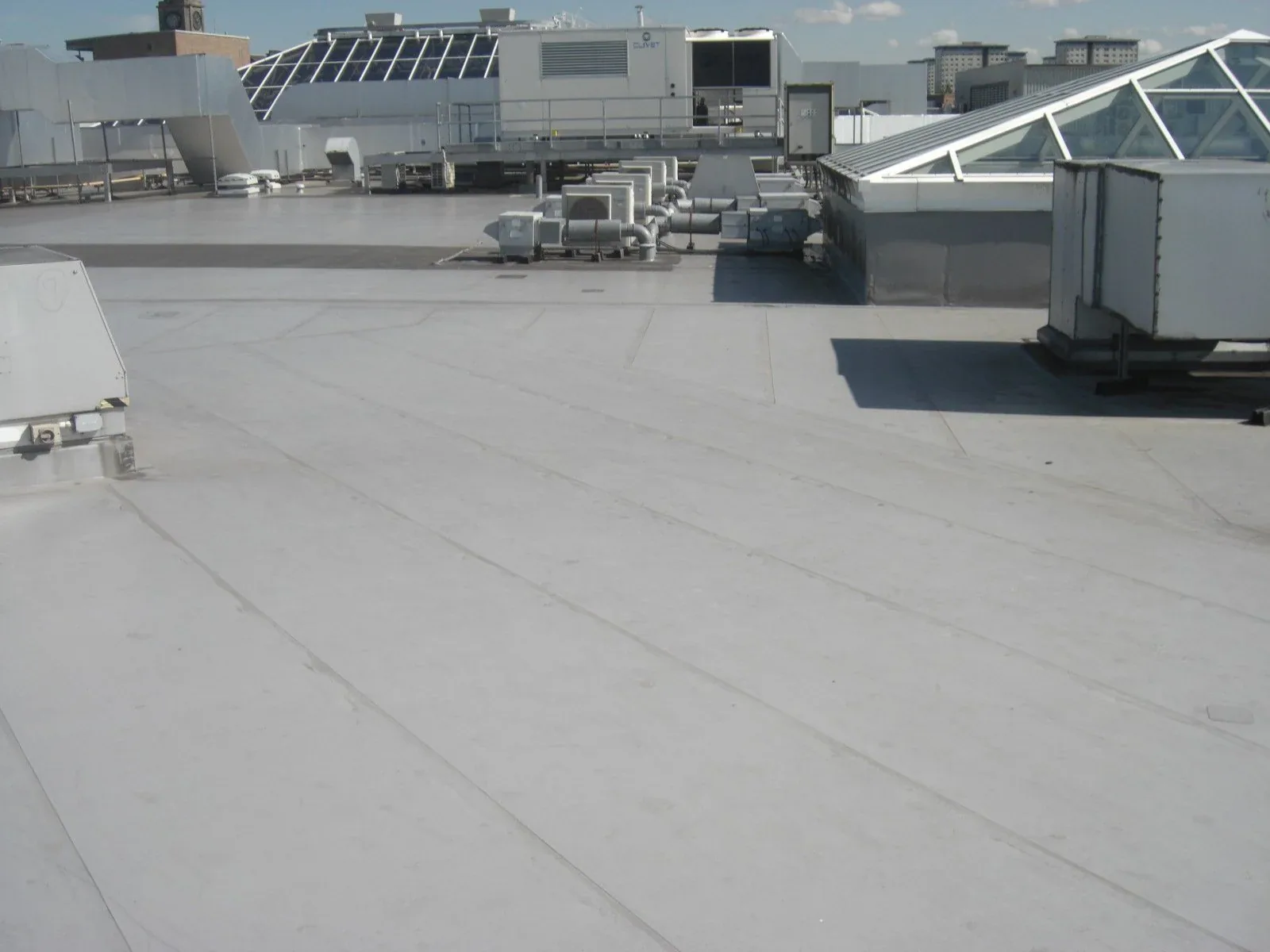
Catch Small Changes at Transitions
Seams, parapet edges, equipment curbs, skylights, and pipe penetrations are common inspection points because the roof changes material or direction there. We look for loose termination bars, open laps, brittle sealant, displaced counterflashing, and signs of recent service traffic. If a condition is small and the surrounding assembly is sound, a focused repair may be appropriate. If we find recurring movement or deterioration across a wider zone, we describe the larger issue rather than repeatedly patch the same symptom.
Rooftop equipment work can affect the roofing even when the mechanical repair is complete. We note new supports, abandoned penetrations, and routing changes, then ask for service records when the history is unclear. A curb and support review can define the roof work that belongs with an HVAC change. For flexible single-ply systems, a TPO detail check must match the installed membrane and attachment rather than assume compatibility from appearance.
We use dated photographs and roof-zone labels so the next visit can compare a known location. If the roof has recurring leaks, a leak record helps connect maintenance observations to interior reports and completed repairs. The owner can then see whether a detail stabilized or needs a different repair boundary.
Turn Each Visit Into a Useful Record
A maintenance record should make the next decision easier. We note the date, weather context, roof areas accessed, debris removed, repairs completed, and conditions that need follow-up. Photographs show the location and the observed detail. We identify roof areas that were inaccessible, and avoid treating them as inspected. The report distinguishes a maintenance task from a capital concern, helping managers route work to operations, roofing, or another building trade.
Henderson’s employment centers serve office, flex, industrial, warehouse, and manufacturing uses. Those categories can shape access and scheduling, but the actual work plan comes from the property contact. We coordinate around loading, tenants, sensitive equipment, and contractor activity. Work near the Sunset Industrial Corridor or Water Street District receives the same property-level review.
When findings repeat across several buildings, a roof asset record can compare repair history and condition by property. Our maintenance recommendation remains specific: which detail to clean, repair, monitor, or test, and when to look again. The record supports budgeting without assigning an unsupported remaining-life estimate.
Build a maintenance schedule
Share roof plans, inspection history, leak dates, and equipment work orders. We will map the roof zones, document current conditions, and recommend a practical visit cadence.
Related Roofing Work
More roofing work and building types connected to this page.