
A thermal image can reveal a pattern worth testing, but it cannot tell an owner by itself whether roof insulation is wet. In Henderson, NV, intense summer heat changes how a roof stores and releases warmth, so scan timing and surface conditions matter. We plan an infrared moisture survey around the roof assembly, recent weather, and the question behind the request. The resulting map identifies areas for review, while direct testing confirms conditions before a repair or replacement scope is set.
We begin with roof records, leak history, system type, and access restrictions. During the survey, we capture thermal and visual images by roof zone, compare patterns with drains and penetrations, and note factors that can affect the reading. If a pattern suggests a possible anomaly, we select a verification step with the property manager. The report describes what the scan supports and where another method is needed.
Choose Conditions That Support a Useful Scan
Infrared inspection depends on a temperature difference between roof components and the surface above them. Weather, solar exposure, wind, cloud cover, recent rain, and the roof’s construction all influence how a pattern appears. We review those conditions before setting the survey time. A scan after a hot sunny day may produce a different result from one taken after overcast weather. If the thermal contrast is too weak or inconsistent, we explain that limitation and recommend another way to investigate.
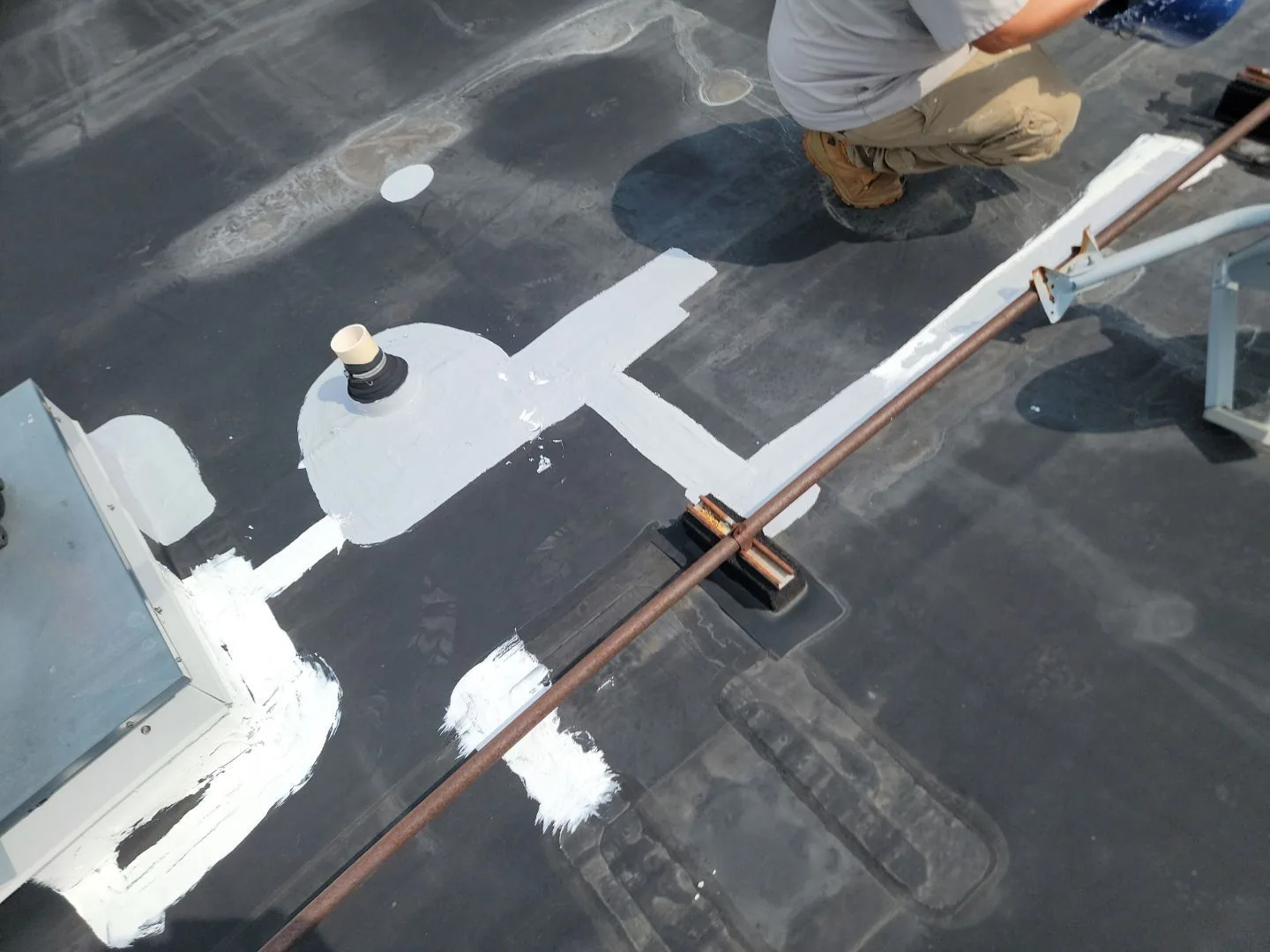
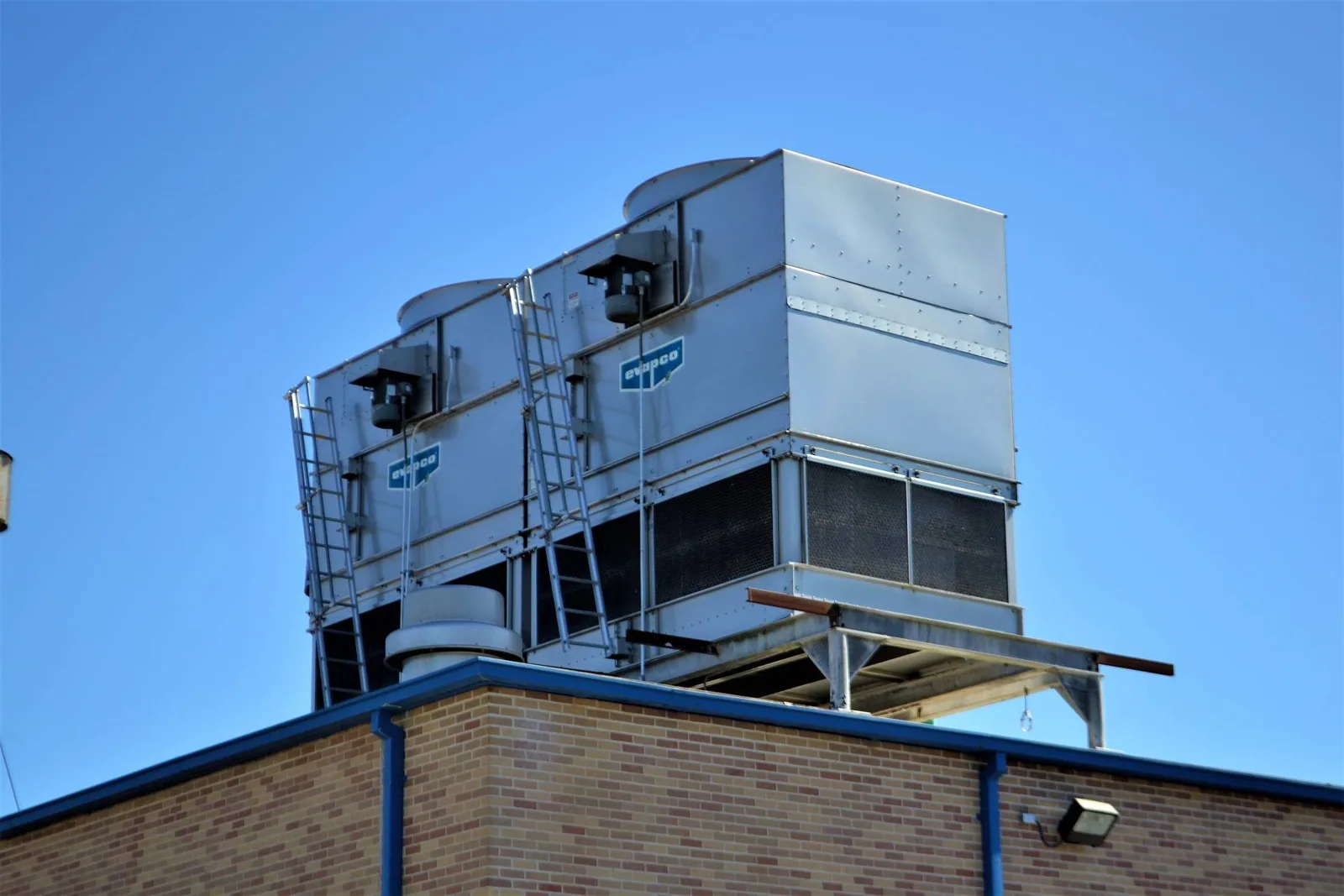
Henderson's emergency office notes that summer afternoons regularly top 110°F across the Mojave region. That climate makes heat loading relevant to scheduling and interpretation, but it does not mean a warm area contains moisture. Equipment, shadows, ballast, patches, insulation changes, and deck materials can also create temperature differences. We compare thermal images with visible imagery and roof plans to identify possible explanations before marking an area for testing.
A standard roof inspection establishes the visible roof condition and maps penetrations, drainage paths, and repairs. Infrared adds a diagnostic view where the construction and timing make it useful. If the roof surface is wet, the system is not thermally responsive, or equipment blocks the scan, we may limit conclusions to accessible zones or reschedule. The report states which areas were covered and which could not be evaluated.
Treat Patterns as Leads, Not Answers
Thermal patterns can direct attention to areas that warrant confirmation. A cool or warm region may reflect moisture, but it may also come from insulation type, a repair patch, a mechanical unit, or a structural change. We review the roof assembly, compare nearby areas, and note whether the pattern aligns with a leak history or visible defect. We do not label an anomaly as wet insulation until an appropriate verification method supports that conclusion.
Henderson’s monsoon storms can bring intense local rain from July through September, according to city flood-control guidance. A survey after rainfall may help prioritize follow-up, but residual surface water and drainage conditions can affect interpretation. We note the time since precipitation when known and inspect low points, drains, and seams for visible conditions. If a roof needs direct moisture confirmation, a test cut can show the layers and clarify the repair boundary when authorized by the owner.
For a reported leak, we compare the scan with interior observations and any available leak history. A stain or thermal pattern does not by itself locate the entry point. We check likely paths from curbs, seams, edge transitions, and drains, then recommend testing where the evidence narrows the search. This is especially useful when several possible sources overlap and opening the roof everywhere would add unnecessary cost.
Confirm Before Pricing the Repair
When the scan indicates a candidate area, the next step depends on the decision. A small confirmation cut can show membrane, insulation, and deck condition. A hands-on review may identify a seam or flashing issue without opening the assembly. In some cases, the owner may choose monitoring when the pattern is stable and no leak is present. We explain the options, access needs, and what each method will answer before the work begins.
Verified wet insulation can change a repair plan. A small isolated area may be removed and rebuilt; a broader pattern may require more testing to define how far the condition extends. We compare the confirmed extent with roof age, attachment, system compatibility, and drainage. A TPO system or modified bitumen assembly has different details, and the final repair must fit the roof in place. The survey informs that choice but does not pick a system without field verification.
The deliverable includes labeled thermal and visual images, a roof-zone map, scan conditions, interpretation notes, and recommended confirmation steps. We identify anomalies separately from confirmed moisture. That record can support a repair scope, a broader inspection, or a budget discussion through a roof condition report. The owner can trace each recommendation to the area and evidence that prompted it.
Plan Access Around Operations
Survey access requires a safe route to the roof, clear staging space, and coordination with anyone working near the building. We ask about tenants, production activity, roof hatches, alarms, and equipment that cannot be interrupted. Infrared capture is often noninvasive, but it still requires controlled access and careful movement around roof edges and equipment. If a later test cut is recommended, we coordinate its location and obtain approval before opening the assembly.
Henderson’s comprehensive plan identifies employment areas for office, flex, light industrial, warehousing, and manufacturing. Those broad uses can affect scheduling and access, though each building’s actual operations must be confirmed with its manager. Properties near West Henderson or the Boulder Highway corridor receive the same evidence-led process: confirm conditions, map accessible areas, identify anomalies, and verify before specifying repairs.
After repair, a follow-up inspection can revisit the same zones and compare them with prior images, provided the scanning conditions are suitable. We record dates, weather context, and material changes so a new pattern is interpreted against the actual roof history. A maintenance plan can include that check alongside drainage and flashing observations, helping the property manager track conditions without treating one scan as a permanent diagnosis.
Plan an infrared roof survey
Send roof plans, leak history, repair records, and access limits. We will review scan conditions and explain how any pattern can be verified.
Related Roofing Work
More roofing work and building types connected to this page.