
A photograph of a ponded corner means little until the report also says how long the water stayed, which way it was heading, and what lies under it. A shallow puddle over sound insulation and a shallow puddle over saturated board look identical from the hatch. That gap between what a camera shows and what the roof is doing is the reason a written condition report exists, and it is why a good one is built from located evidence instead of a general score.
For a Henderson, NV building, we write the report so a property manager can hand it to an owner, a lender, an insurer, or a bid list and be understood. Each finding names the roof zone, shows the condition, states the likely cause, and draws a repair boundary around it. What we saw and what we infer are kept apart, and anything that needs testing below the membrane is marked as such.
Read the Report as Evidence, Not Opinion
The report opens with a marked roof plan. Zones are numbered, drains and equipment are located, and every photograph carries the number of the zone it came from, so a reader can find a defect from a stairwell without being told where to look. Measurements follow: the size of ponded areas, the length of an open seam, the count of loose fasteners at an edge, the condition of each flashing at a curb or wall.
Each entry then states the observation, the probable cause, and the evidence that supports it. A blistered area might trace to trapped moisture, or to a poorly adhered layer from the original installation, and the report says which evidence points which way. Where evidence is thin, the entry says so. A report that can be checked on the roof, line by line, is worth more than one that sounds certain and cannot be verified.
The roof plan and the photograph log travel together as a file. Anyone who opens the report a year later, whether a new property manager or a bidding contractor, can place each finding on the roof without having attended the original walk.
Separate What Was Seen From What Needs Testing
Visual inspection reaches only the surface. We use a hands-on inspection for seams, terminations, and penetrations, and a drone pass for areas that are unsafe or inefficient to walk. Below the membrane, an infrared moisture survey maps temperature patterns that suggest wet insulation, and a core sample or test cut confirms what the scan implies. The report lists which of these were performed, where, and under what conditions.
When a question remains, the report names the next test instead of guessing. If a deck cannot be assessed until the membrane is opened, that is written as an open item with the reason. This keeps a manager from budgeting a coating over a roof whose insulation has not been checked, and from budgeting a tear-off over one that a repair would hold.
Rate Each Defect by Urgency and Repair Boundary
Every defect gets an urgency and a boundary. Urgent items are active water entry, open seams, exposed insulation, and failed flashing that will worsen with the next storm. Scheduled items are defects that need work in a defined window, such as aging sealant or drains that hold debris. Monitor items are conditions worth photographing again at the next visit, such as a hairline crack that has not changed.
The boundary is the part many reports skip. It says how far a repair must extend before the surrounding material is sound enough to accept it. A patch that stops at the visible tear fails along its edge if the membrane around it has hardened. When a roof holds standing water, the entry connects the pond to its cause, since ponding water is a drainage question before it is a membrane question.
Tie Findings to Henderson Weather and Buildings
Summer afternoons above 110°F are routine in Henderson, and hail appears on the city's severe-weather list. Its flood-control guidance says monsoon storms from July through September can bring intense localized rainfall that overwhelms drainage. A report written in this setting looks harder at heat wear, sealant condition, drain capacity, and the way water travels across the roof during a short, heavy storm.
Building type changes what the report emphasizes. In the Water Street District, which the city plans as a mix of retail, professional services, employment, education, and nightlife, a report pays attention to parapets, rooftop equipment added over time, and tie-ins between roof sections. Weather and building use together set the inspection route, and the report records both.
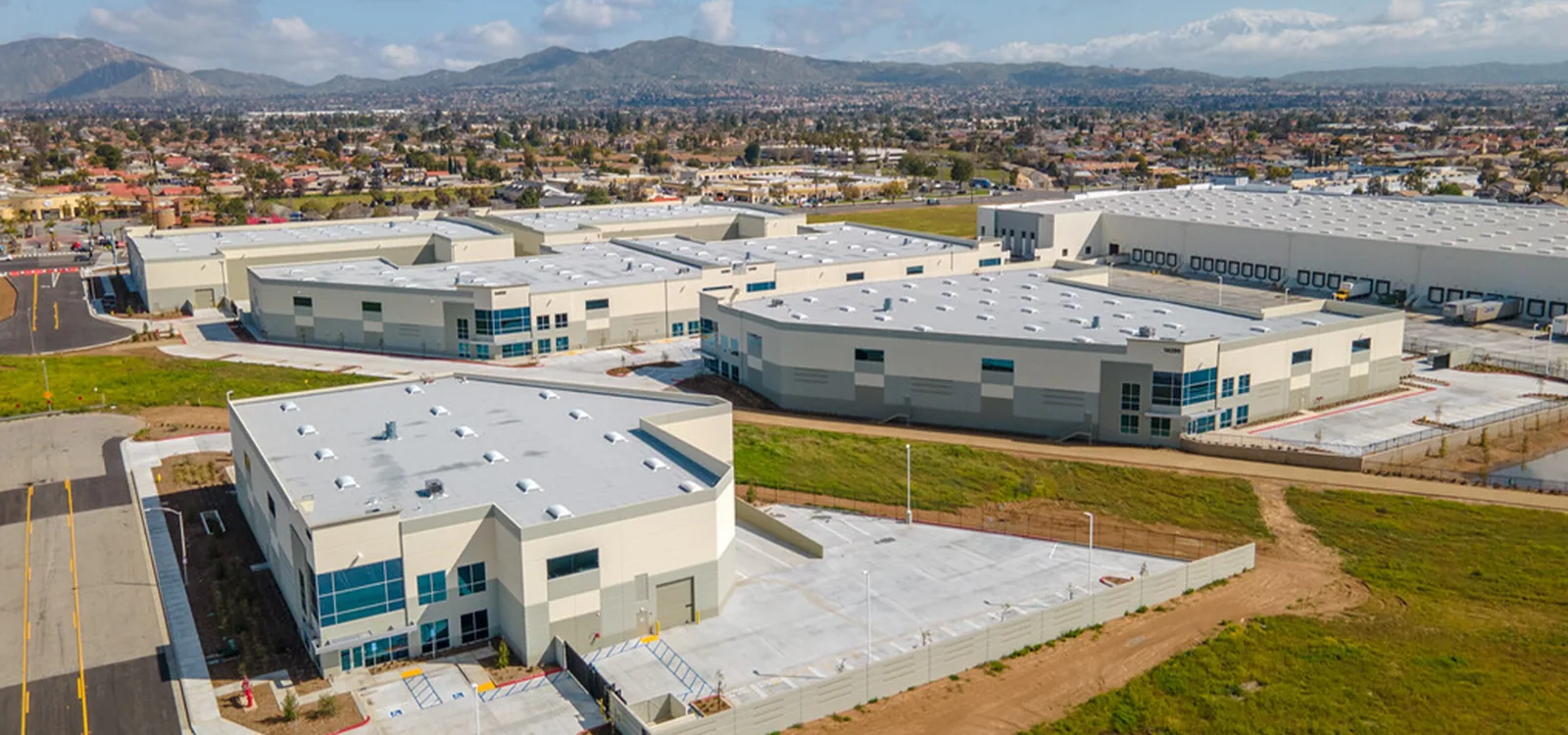
Henderson's Eastside Redevelopment Area covers over 4,900 acres, with the Sunset Industrial Corridor and the Cadence community among its named areas. An owner with buildings across that area gets the same report format for every roof, but the emphasis shifts with use. On warehouse and flex buildings the report spends its time on drains, seam runs, and edge metal. On retail and office buildings it turns to rooftop units, curbs, and the flashing around them. The format stays constant so that roofs can be compared across a portfolio.
Use the Report for Budgets, Warranties, and Claims
A condition report does several jobs after the walk is finished. It supplies the numbers behind capital budgets and replacement timing. It documents the roof's state before a repair so a manufacturer or installer can see what existed, which matters for keeping manufacturer warranties valid. And after a hail or wind event, a before-and-after record helps with insurance claim documentation, because the adjuster can compare dated photographs of the same zone.
For roofs under a service plan, the report becomes the baseline against which each preventive maintenance visit is measured. Without a baseline, every future visit starts from nothing.
Request a Written Roof Condition Report
Send roof plans, leak dates, recent repairs, rooftop equipment changes, and operating hours. We will inspect the roof and write a report with located photographs, defect ratings, and clear next steps.
Related Roofing Work
More roofing work and building types connected to this page.