Restaurant roofs can have kitchen exhaust, ventilation equipment, grease ducts, plumbing penetrations, signage, and roof drains that need coordinated service. The roof assembly, not the restaurant category alone, determines the right repair. In Henderson, NV, high summer heat and concentrated rainfall make drainage, flashing, and surface condition useful inspection points. We review repair history and equipment changes before preparing a roof-specific scope.
During inspection, we map roof zones and record membrane or panel type, seams, curbs, vents, drains, parapets, and visible patches. We compare reported interior moisture with roof slope and the location of exhaust or plumbing details. If the source cannot be confirmed visually, we describe the test required. The owner receives a clear record of findings, access limits, and any contractor coordination that affects the repair.
Inspect kitchen exhaust and roof connections
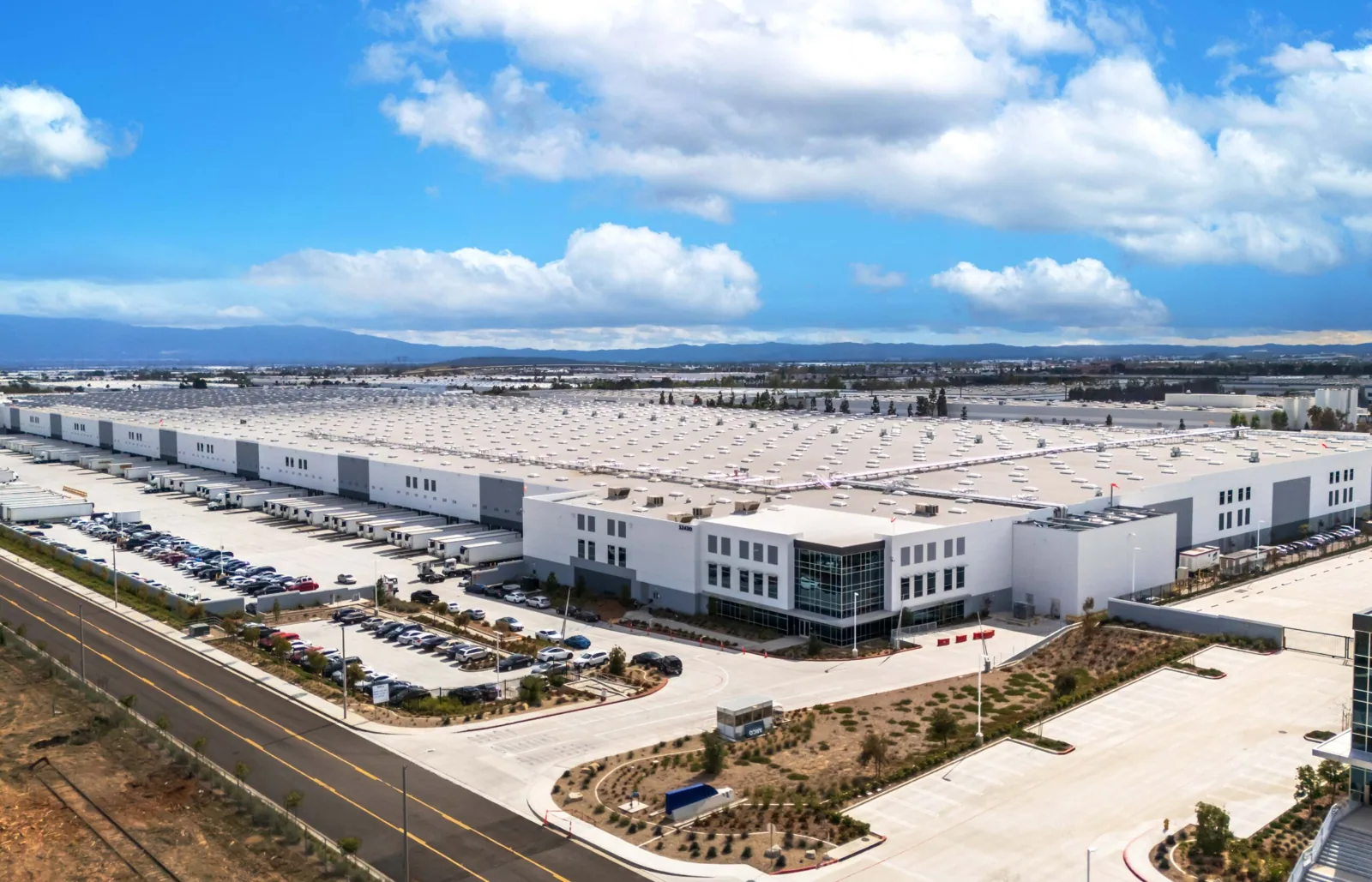
Grease exhaust and ventilation systems may require cleaning or replacement by a separate contractor. We inspect the roof-side curb and flashing, look for separation around the penetration, and document any membrane damage nearby. When an exhaust fan or duct changes, the new curb, attachment, and flashing should be coordinated before the roof is cut. The roofing proposal identifies exterior work and any mechanical task that belongs to another trade.
We also review rooftop travel paths and service clearances. Technicians should be able to reach equipment without damaging seams or blocking outlets. A commercial roof inspection records accessible details, and curb and support review can address support and flashing interfaces.
Restaurant managers can identify receiving hours, customer access, and any restrictions on odors, noise, or deliveries. We coordinate the work window with the property contact; actual operating rules are confirmed on site rather than assumed from the business type.
At a service visit, we record the fan base, adjacent flashing, fasteners or supports visible at the roof, and any prior coating or sealant repair. If a contractor removes a duct or fan, the roof opening should be protected until the new detail is ready. We include who closes the roofing scope and who reconnects the equipment so each part has a responsible trade.
Trace leaks and drainage at the property
We inspect roof drains, scuppers, gutters, overflows, low points, parapets, and transitions between building additions. A kitchen leak report may relate to a roof opening, a plumbing line, a condensate route, or another building system. We compare the timing, interior location, weather, and recent contractor work with roof conditions. If the evidence does not establish the source, the report identifies direct testing or mechanical review as a next step.
Henderson flood-control guidance notes that monsoon storms in July through September can bring intense localized rain and flash flooding. We evaluate actual roof slopes and outlets at the property; citywide storm information does not establish a particular restaurant roof condition. A drain and scupper service can define outlet corrections where an obstruction or detail issue is observed.
At a canopy or parapet near an exhaust duct, we inspect the transition and record which contractor must complete work before the roofing detail closes. We keep repair boundaries tied to sound material and the verified source.
For a roof with several kitchen exhausts, the owner can identify which unit or cooking area was operating when the report occurred. This information can help determine whether a follow-up should include a roofing inspection, mechanical service, or both. We record it as context and confirm the roof condition directly.
Plan repair or renewal around operations
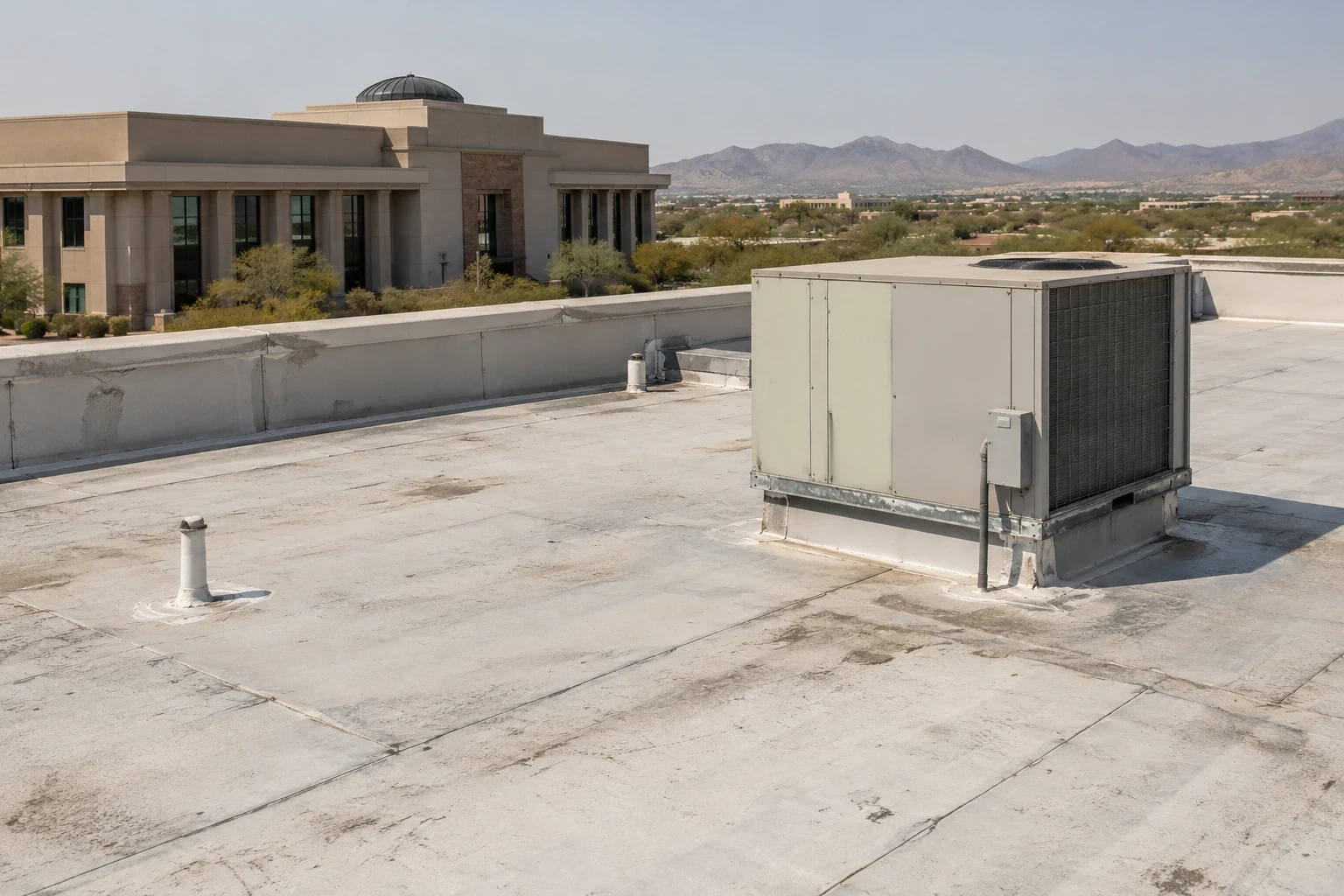
A localized repair can be appropriate when a failed seam, curb, flashing, or drain detail is confirmed and the surrounding membrane remains stable. Repeated leaks, widespread deterioration, wet insulation, or failed attachment may require comparison with replacement. We document observed evidence and whether testing could change the decision. The work scope lists access, staging, protection, cleanup, and any temporary restrictions.
Henderson’s building department applies locally amended 2024 building and energy code editions to submittals received from January 2, 2026 onward. We check project-specific requirements with the design and permitting team. Code timing does not by itself determine an assembly’s compliance.
For a suitable low-slope roof, a TPO system or modified-bitumen assembly can be evaluated against the verified deck and project documents. Refrigeration equipment shapes a grocery store roof, and guest access and building operations shape a hotel roof. Each recommendation follows the actual inspection.
We can define work by roof section and discuss how materials, debris, and crew access will move without crossing a customer entrance. Management confirms acceptable time windows and any delivery restrictions. The scope identifies where temporary protection is required and how the area is left secure if weather delays the next step.
Before starting, we confirm whether the roof hatch, service corridor, and material path are available during the planned shift. The manager can identify any delivery window or entrance that needs to remain clear. We record those details with the work sequence for review before mobilization.
Document work for future kitchen vendors
Closeout can include the roof-zone map, photographs, material details, repaired flashing, and areas that need follow-up. Keep the file with exhaust, HVAC, and plumbing service records. Before another vendor cuts the roof, the manager can share known penetration and repair locations and confirm who will restore the roof-side connection.
Maintenance checks can review vents, curbs, drains, seams, edges, and previous repairs. If a leak returns, compare the report date and interior location with the roof map and the work history. A dated record helps avoid repeating tests and clarifies whether the next step is roofing, plumbing, or equipment review.
Restaurants in West Henderson and the Sunset Industrial Corridor receive roof recommendations based on property-specific conditions. Henderson’s planning areas do not establish the roof assembly, equipment, or service history at an individual business.
After an exhaust, refrigeration, or plumbing visit, the manager can add the contractor, date, and affected penetration to the roof file. If a later leak appears nearby, this history gives the inspector a clear timeline and helps identify which detail should be checked first.
We can note areas where a future exhaust replacement may require temporary roof protection or a return inspection after the curb is rebuilt. This keeps the roofing work and equipment work connected in the file and makes it clear whether a final flashing review remains open.
Review a restaurant roof
Share roof plans, exhaust and equipment records, leak reports, and access rules. We will inspect the assembly and coordinate repair scope with management.
Related Roofing Work
More roofing work and building types connected to this page.