A repair crew that arrives with a patch cut from a roll may find a membrane that came to the site already shaped to the building, and that changes the repair method. Duro-Last makes prefabricated PVC membrane roofing: sheets, curb wraps and pipe boots are fabricated off site to measurements taken from the roof, then rolled out and joined on the deck. A Duro-Last roof in Henderson, NV therefore has factory seams and field seams, and each behaves differently.
Henderson's emergency guidance treats summer highs above 110°F as routine. We first determine which seams were made in a plant and which were welded on the roof, then collect moisture evidence and set a repair boundary.
Check the Fit Where Measurement Meets the Roof
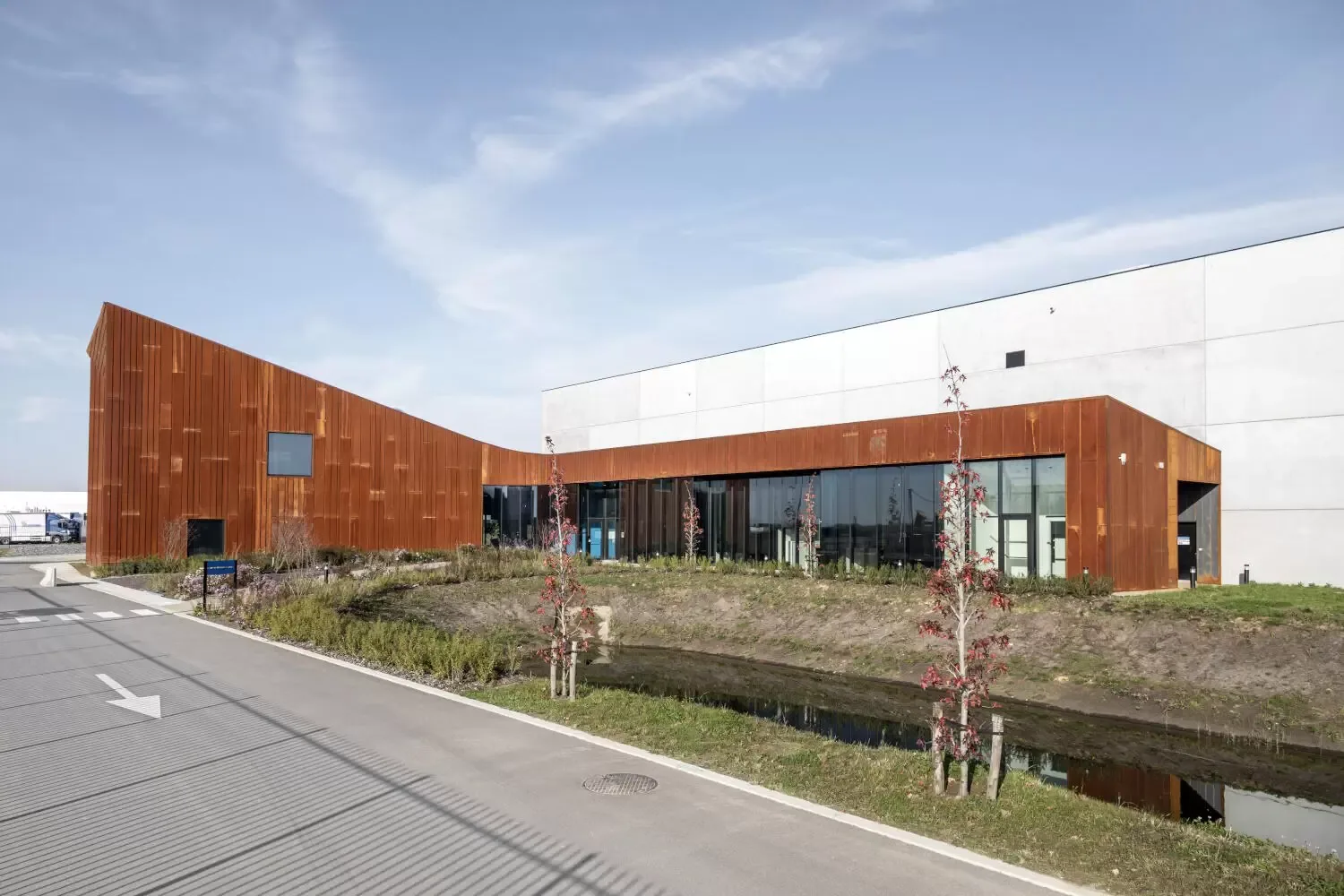
Because a prefabricated sheet is cut to measurements, any error shows at the edges. A sheet that is slightly short can sit under tension at a parapet, and one that is slightly long can bunch and trap water. We look for bridging at inside corners, stretched membrane at curbs and wrinkles that point to movement after installation.
Those conditions are hard to see from the ladder. A slow walk across the roof with the plan in hand shows where the sheet is taut and where it floats, and each location is photographed and numbered by roof zone. Where a sheet floats instead of lying flat, we check whether the attachment at the perimeter has loosened or whether the insulation beneath has shifted, since either one changes the repair.
Separate Factory Seams From Field Seams
Large panels are joined in the plant under controlled conditions, while the overlaps between panels are welded with hot air on the roof. The field overlaps are where we focus. We probe the edge along its length for open channels, check the width of the weld and look for dirt trapped in the lap.
A PVC roof that has aged needs thorough cleaning before a new weld will fuse. A patch is cut with rounded corners and extends well past the defect, and the edge is probed after the weld cools. Welding in summer calls for attention to surface temperature, because a sheet baked by the sun can be too hot to weld at midday, and we schedule weld repairs for the hours when the surface is workable.
Treat Prefabricated Flashings as Repairable Parts
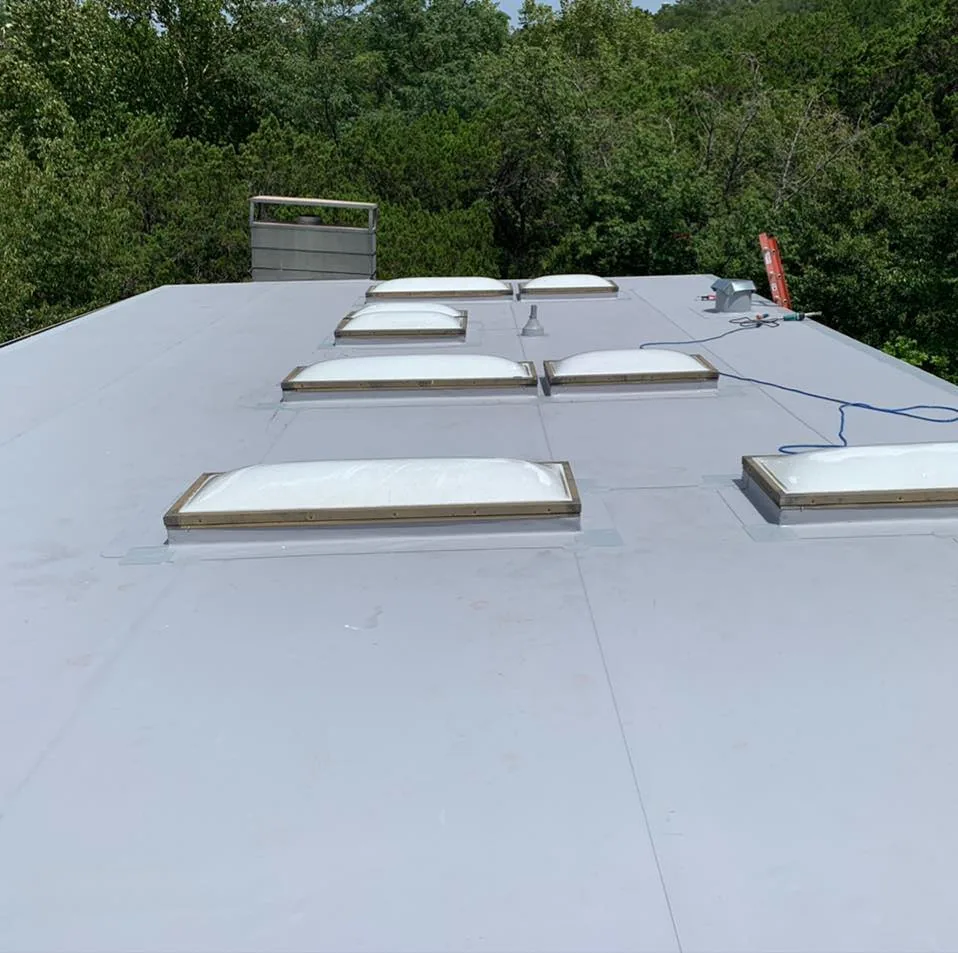
Pipe boots, corner pieces and curb wraps arrive formed, which reduces field cutting. They are still places where a roof can leak. A boot that has been pulled loose, a wrap whose termination bar has opened, or a detail disturbed when a trade added a new pipe will admit water even though the field sheet is sound.
We replace or reinforce the affected piece and record it. Termination bars are checked for loose fasteners, sealant is renewed where it has dried, and the membrane behind the bar is inspected for creases that could hold water. When equipment is added on the roof, the curb and support flashing should be reviewed, since the original prefabricated wrap rarely matches a new footprint.
Weigh PVC Against Exposure and Building Use
PVC sheet resists many chemicals and the grease that settles from kitchen exhaust, so it is often considered for restaurant roofs and for buildings that vent process air. Warehouses and light industrial buildings in the Sunset Industrial Corridor and the West Henderson Global Business District are other settings where a single-ply sheet is a candidate, because the plan reserves those areas for warehousing, flex, manufacturing and business-park use.
Other PVC suppliers, such as Sika Sarnafil, and single-ply suppliers such as Versico, supply their own flashing pieces and welding details, so a building re-roofed in stages needs a repair method for each sheet.
Prepare Drainage for Monsoon Storms
According to the City, storms from July to September can bring intense local rainfall that overwhelms drainage, and flood risk can be real in a spot even where most of the city is rated low. A prefabricated sheet is a smooth surface, and water runs quickly to the low point and the outlet. Debris at a drain can then back water up against a wall flashing.
We clear and test outlets, look for ponding and compare water paths with the plan. Debris carried by wind into a roof sump is common after storms, so the outlet check is repeated after the first big rain of the season. When water stays, we look at the deck and insulation before the membrane. The ponding water repair that follows is a drainage correction.
Decide Between Repair, Recovery and Replacement
When the sheet is sound and the problem is local, a weld repair is reasonable. When insulation is wet, seams have failed across several zones, or the deck is soft, the scope grows. A recover is possible only over a dry, well-attached base. Henderson's 2024 International Building Code and Energy Conservation Code, with local amendments, govern permit applications filed from January 2, 2026 onward, so the scope states the insulation and attachment in writing. That keeps tear-off surprises out of the budget and gives the owner a clear basis for comparing proposals.
The inspection record, retained with warranty papers and plan drawings, lets a manager compare conditions from year to year and plan the capital year with evidence instead of guesses.
Have a Duro-Last Roof Evaluated
Share roof plans, warranty papers, leak dates, recent repairs and operating hours. We will inspect the membrane and document repair or replacement options.
Related Roofing Work
More roofing work and building types connected to this page.