
Acrylic roof coatings are liquid-applied products used in some roof restoration systems. Whether an acrylic coating is appropriate depends on the existing membrane, substrate, drainage, product limits, and the work required before application. In Henderson, NV, sun exposure and seasonal downpours make surface condition, water movement, and application scheduling important considerations. We inspect the assembly and review product documentation before proposing coating, repairs, or replacement.
The evaluation identifies existing membrane and coating layers, roof zones, penetrations, drains, curbs, perimeter details, and previous repairs. We check whether the surface is clean and bonded, where the coating appears worn, and whether cracks or open seams need separate correction. A written scope specifies preparation, repair, primer if called for, coating areas, application sequence, and closeout evidence. This keeps a coating proposal distinct from a broader reroof when the existing assembly has conditions that should not be covered.
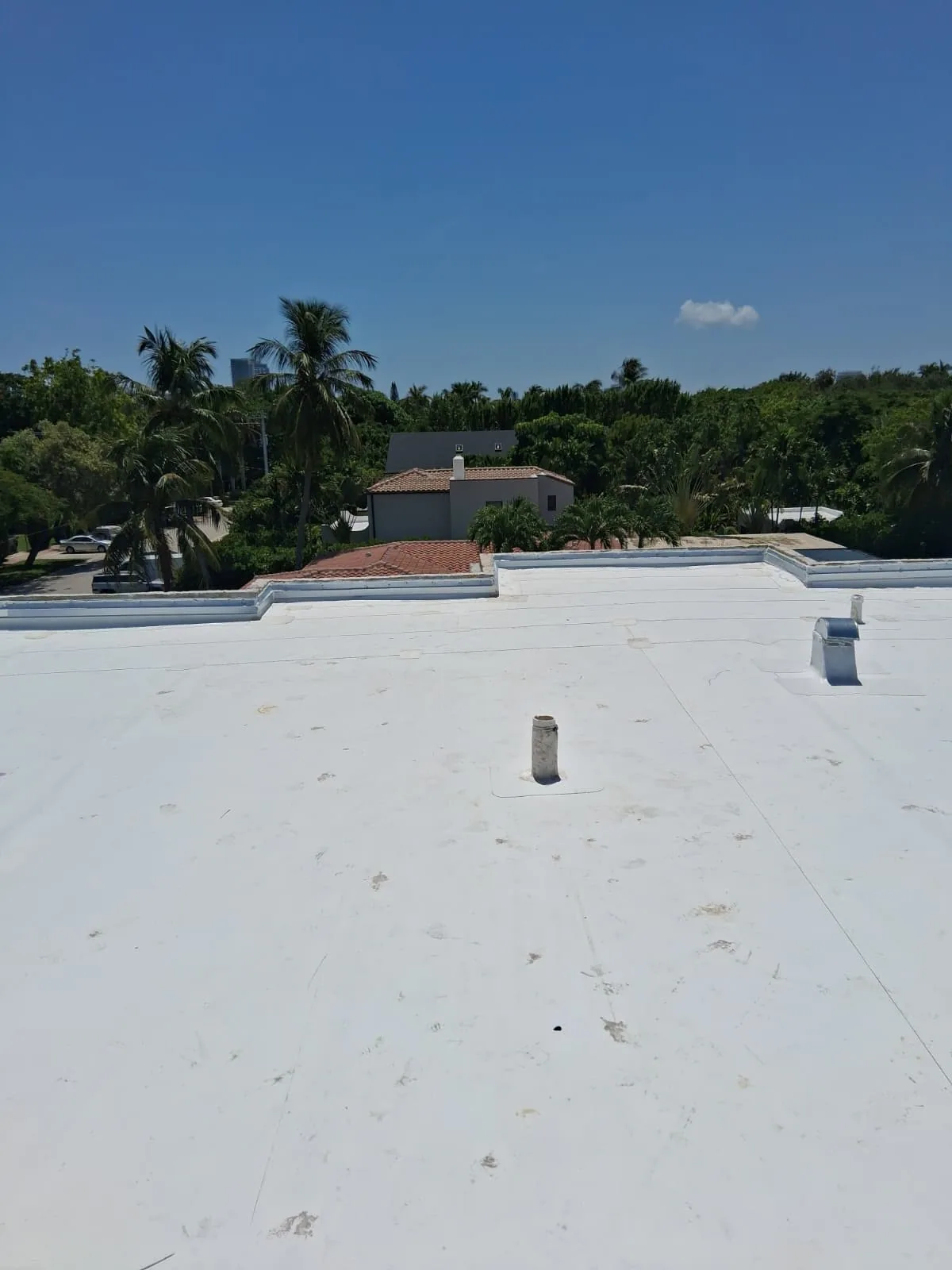
Evaluate product and substrate compatibility
Acrylic coatings are not interchangeable across every roof type. We confirm what membrane or coating is present, whether it remains attached, and what preparation the selected manufacturer requires. The review may include cleaning, removal of loose material, a primer, and a test patch. If multiple layers are present or records are incomplete, we identify the need for testing rather than assume the old surface will accept a new product.
We examine seams, fasteners, flashing, penetrations, surface cracks, and areas where water collects. Loose membrane, wet insulation, corrosion, or failing substrate needs correction before a coating can be considered. A coating is not a structural repair and should not conceal a known leak path. An inspection documents visible conditions; when concealed moisture is suspected, direct confirmation or a properly planned survey may be needed before setting the extent of the work.
Henderson emergency guidance characterizes severe summer heat as a regular Mojave condition, with daytime temperatures above 110°F. We schedule and store materials according to site conditions and the application limits in the product data. Wind, dust, surface moisture, and recoat timing also affect the work window. If conditions fall outside the product requirements, the crew protects prepared areas and resumes when the surface is suitable.
Prepare details and establish the application sequence
Preparation has a direct effect on adhesion. We remove dirt and loose coating, repair exposed seams or punctures, protect equipment and drains, and address the transitions before coating the field. The detail work needs compatible materials and enough cured time before the next layer is applied. Our proposal describes which repairs are included, how many coats are specified, the target coverage, and what areas require follow-up because they could not be accessed.
Water management should be reviewed before a coating is applied. The City’s flood-control page notes that localized storms in the monsoon months may overwhelm drainage and cause flash floods. We inspect the property’s actual slopes, gutters, drains, scuppers, and low points rather than infer drainage from the citywide hazard. If an outlet or edge requires correction, a drain review or edge-metal assessment can identify the interface with the coating work.
Application records should identify product and batch where available, surface preparation, weather conditions, roof zones, and the completed coating passes. Henderson’s locally amended 2024 building and energy codes apply to permit submittals received on or after January 2, 2026. We coordinate any project-specific code questions with the design and permitting team; a coating choice alone does not establish an energy result or permit approval.
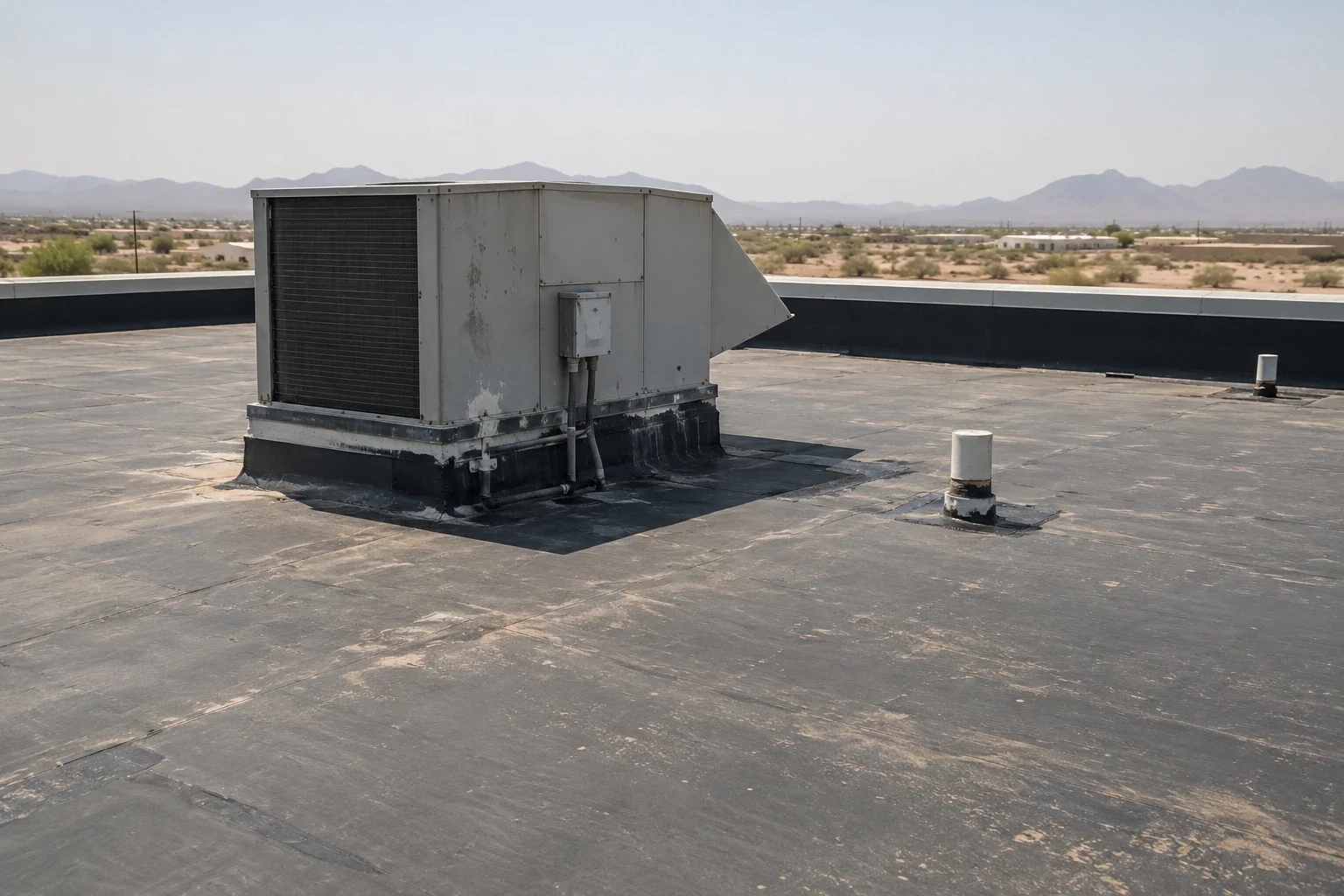
Compare acrylic with other coating systems
Coating chemistry should be selected against the roof and project, not a general product ranking. The manufacturer’s application instructions, substrate, expected exposure, drainage, recoat history, and maintenance plan all matter. We compare acrylic with silicone where the existing assembly and product data support it. The scope also considers whether the roof needs a different repair or replacement system rather than another liquid-applied layer.
For some assemblies, a silicone coating may be evaluated alongside acrylic; each product has its own compatibility and application requirements. Where foam is present, an SPF system needs a review of foam condition and protective coating continuity. We do not assume that either coating can be applied over an unknown or unstable surface.
Henderson’s comprehensive plan designates employment areas for office, flex, industrial, distribution, and manufacturing uses. Roof access and trade coordination can differ among properties, so we confirm operational needs with the manager. In West Henderson, a 2025 plan identifies a major employment and growth area; the Sunset Industrial Corridor is a named part of Eastside’s redevelopment planning. Those broad areas orient the service visit but do not determine an individual roof’s coating history or condition.
When evidence supports replacement, we lay out what would be removed, which layers need repair, and how the new assembly addresses drainage and perimeter details. A comparison can include project phasing, access, preparation, and concealed-condition allowances, not simply the per-square-foot coating price.
Maintain records after a coating project
Keep the approved product information, application log, roof map, repair photographs, and any adhesion or test results together. The owner can share that record with future service crews so later work starts with material identification instead of guesswork. Note rooftop equipment changes and any new puncture or repair as they occur; an unrecorded patch can affect the next compatibility review.
During maintenance, inspect seams, flashings, drains, surface wear, and locations altered by other trades. A discoloration may result from dirt, weathering, or a coating change; it does not prove leakage. If a leak is reported, we trace the water path, document roof conditions, and verify concealed layers when needed. Reports identify what was visible and what was not accessible, so the owner can decide whether further testing is warranted.
Service recommendations in West Henderson and the Eastside area follow the same evidence standard as elsewhere. Henderson’s employment districts include varied building uses, but no broad area designation substitutes for the property’s roof plans, inspection, or repair history. The closeout file should leave a future manager with clear scope boundaries, current product data, and the next maintenance items.
Before annual planning, compare the current coating with dated photographs from prior visits. Document wear around drains and penetrations, record areas where another trade worked, and note any change in the roof’s access needs. Those observations help set the next maintenance scope and make it easier to distinguish a new concern from a condition already under repair.
Evaluate an acrylic roof coating
Share existing coating records, repair history, roof plans, and access needs. We will inspect the substrate, details, and drainage before outlining preparation and coating options.
Related Roofing Work
More roofing work and building types connected to this page.