
Spray polyurethane foam roofing combines a field-applied foam layer with a protective coating and carefully formed transitions. The assembly is only as sound as its substrate preparation, foam profile, drainage, penetrations, and coating maintenance. In Henderson, NV, strong sun and seasonal downpours make coating condition and water flow important review points, but local climate does not establish the condition of a particular roof. We inspect the existing system, identify the foam and coating where records allow, and document repairs or renewal options.
Our assessment checks surface coating, exposed foam, cracks, blisters, ponding, drainage paths, curbs, parapets, and previous patch materials. We map areas where the coating appears thin or damaged and distinguish that observation from a confirmed moisture condition below the foam. Where adhesion or concealed substrate could change the scope, we identify appropriate testing. The proposal describes surface preparation, foam repairs, coating work, flashing, drainage corrections, and the areas that are excluded or need further investigation.
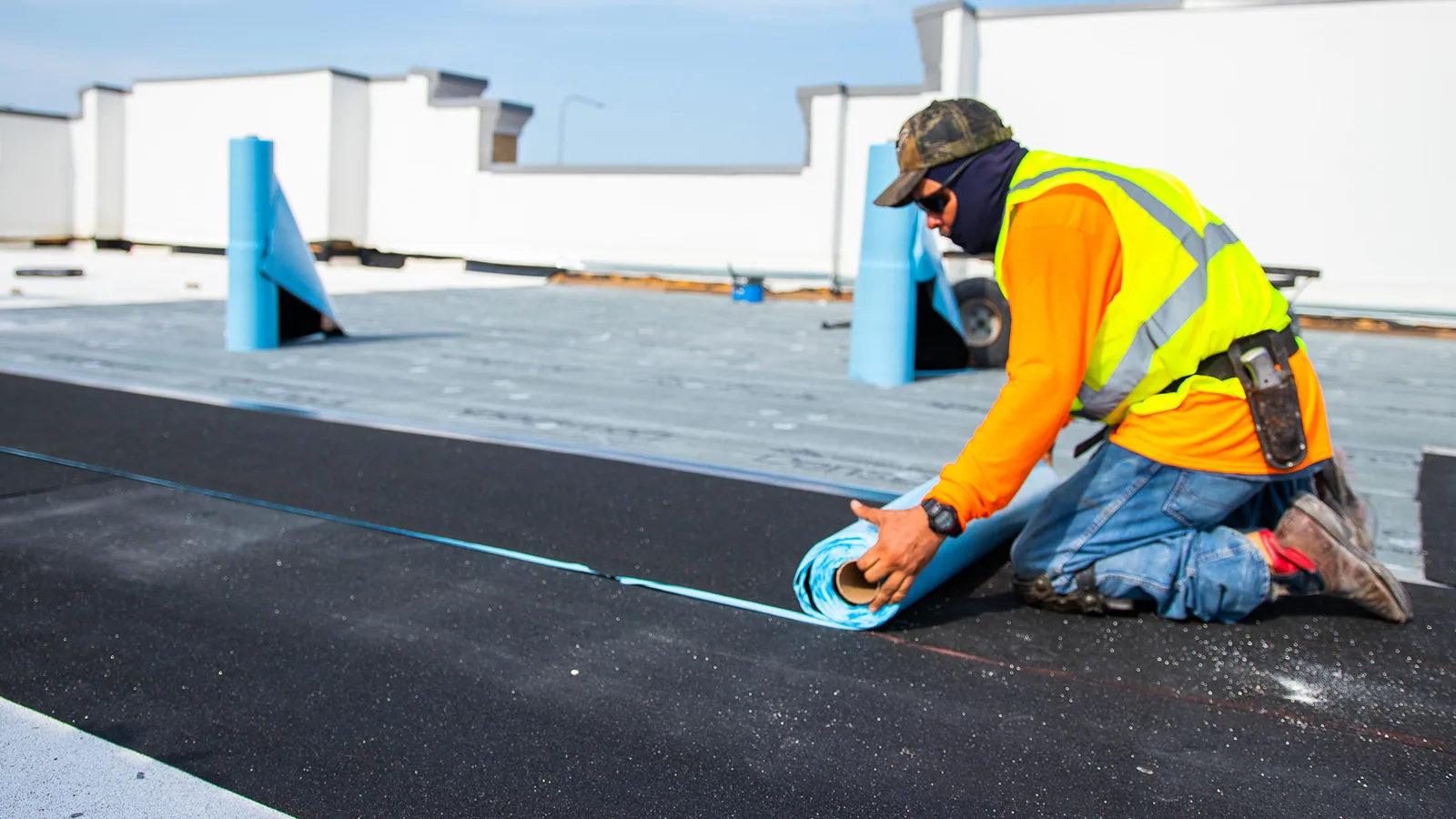
Inspect the foam, coating, and substrate
Before applying new foam or coating, the roof surface must be identified and evaluated. We look for coating erosion, exposed foam, loose material, impact damage, cracking, punctures, and areas where prior repairs have separated. We check whether water can drain freely and whether curbs, pipes, expansion joints, and perimeter transitions remain watertight. A roof may need localized repair before a coating renewal can be considered; coating is not a substitute for correcting wet insulation, a failed substrate, or a loose detail.
We review prior applications, maintenance logs, product data, and repair photographs where available. If the roof has several coating layers, we determine whether the new material is compatible and whether the existing surface can accept preparation. Test areas or adhesion checks can be useful when a specification or field condition calls for them. An inspection records the visible assembly and a suitable infrared survey may help choose locations for direct verification, but a thermal image does not confirm wet material on its own.
The City’s hazard summary places common Mojave daytime summer temperatures above 110°F. That is relevant to safe access and planning for coating work; actual application still follows the selected product requirements and site conditions. We schedule around wind, surface moisture, and temperature limits and keep materials protected before use.
Prepare and apply the roofing system
SPF work begins with a clean, stable substrate. We remove loose coating and debris, repair defects that could compromise adhesion, and protect drains, equipment, walls, and adjacent surfaces from overspray. The foam is applied to the specified thickness and profile, with attention to transitions and a surface shape that directs water toward outlets. Application quality depends on substrate condition, environmental conditions, equipment setup, and installer control; the written scope identifies the specified system rather than promising a uniform result before the roof is examined.
The protective coating shields the foam from exposure and must cover the surface and details at the specified rate and configuration. We verify coverage at field areas, penetrations, parapets, and repairs and document any area that requires another pass. Coating type and compatibility matter when renewing an existing SPF roof. Henderson adopted the 2024 building and energy code editions with local amendments for permit applications received from January 2, 2026. We coordinate code and energy documentation with the project design team and permitting authority; no energy value or permit outcome should be assumed from foam alone.
Drainage is part of the assembly. City flood-control material warns that brief monsoon downpours can overwhelm drainage and trigger flash flooding in localized areas. We inspect actual roof slopes, scuppers, and drains, and correct confirmed obstructions or low points within the approved scope. A drain review may define needed outlet work. If the existing SPF has widespread substrate concerns, we compare repair and renewal with a TPO replacement system rather than coat over an unresolved problem.
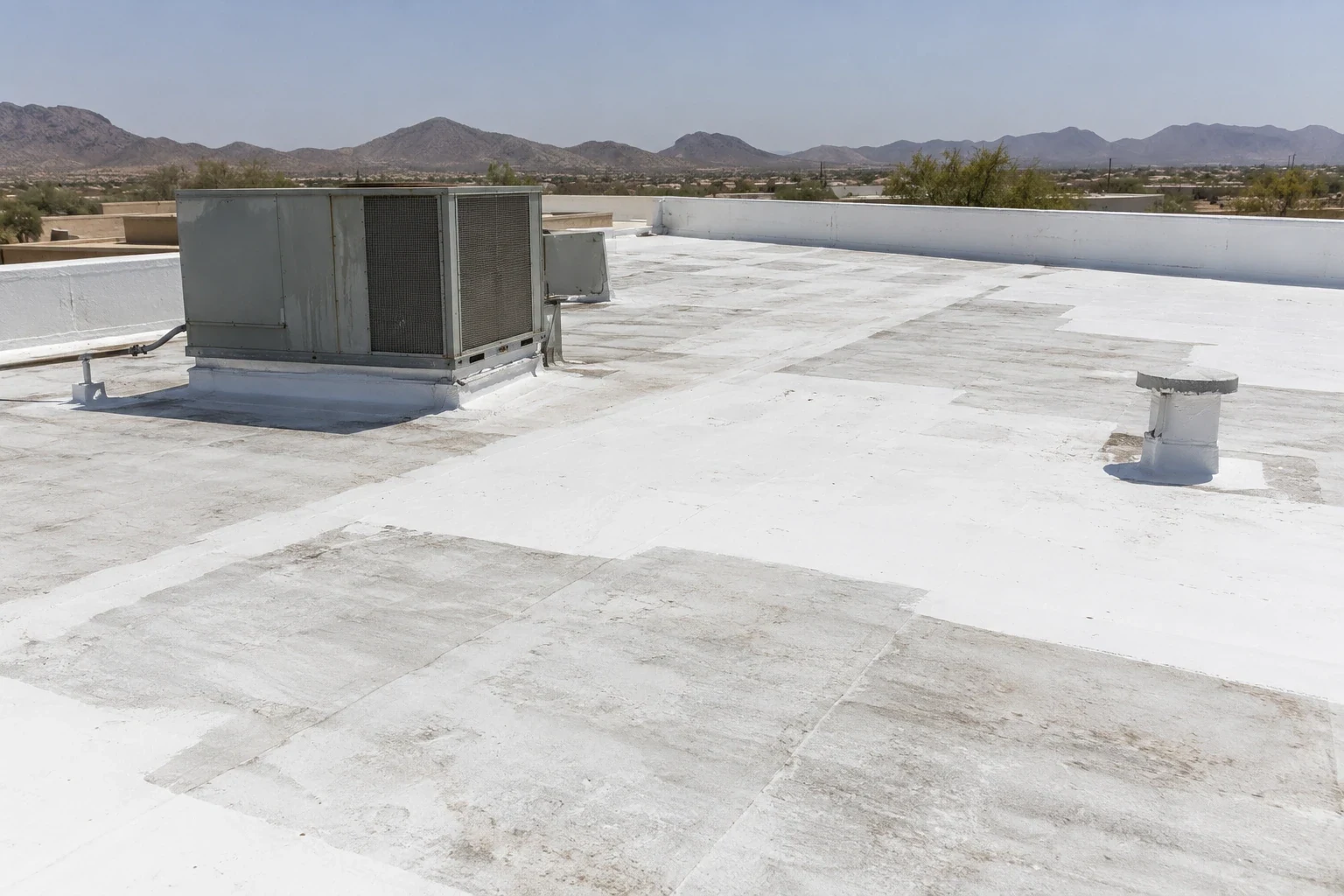
Repair punctures and restore continuity
A puncture can expose foam to moisture and surface wear. We remove loose or degraded material to a sound boundary, rebuild the profile as specified, and restore the protective coating over the repair. The size of a patch is determined by the condition around it, not just the visible mark. If testing shows moisture below the surface or the deck is compromised, we document the layers and obtain direction before expanding the work.
Equipment trades can damage a foam roof by dragging tools, leaving fasteners, or cutting a penetration through the coating. We inspect nearby areas after rooftop changes and coordinate curb or pipe flashing with the responsible contractor. A repair record includes location, surface preparation, materials, and photographs. For larger restoration work, we note weather and surface conditions that affect application and distinguish completed coating from areas that require a later visit.
Recurring cracks at a seam or parapet may indicate movement or a detail that needs rebuilding. We inspect the transition rather than repeatedly painting the surface. The coating should tie into compatible flashing and remain continuous at corners, penetrations, and terminations. Any exposed foam is protected as part of the repair scope, and drains are kept clear during application.
Protect the roof after restoration
Maintenance for SPF includes checking coating wear, flashings, penetrations, outlets, and repairs. The timing should follow product guidance and the roof’s exposure and use. A log with dates, photographs, and roof-zone labels helps the owner compare the surface over time and schedule renewal before damage spreads. We recommend access paths around rooftop equipment and ask other trades to coordinate work before cutting or fastening through the assembly.
City planning recognizes both West Henderson and the Sunset Industrial Corridor as broad employment areas. Buildings there have different equipment and access needs, so we base maintenance on the property’s own roof map, product records, and inspection findings.
A coating renewal should start with confirmation of compatibility and substrate condition. A silicone coating system is an option only when the existing foam and coating are suitable for that specified product. We identify preparation, repairs, coating product, specified coverage, and any test or closeout documentation. The owner receives a record of completed work and any items that remain open. If the foam system cannot be restored within a sound scope, we explain the observed limits and compare a different assembly or removal.
When a roof is repaired after a leak, we document the source that was confirmed, nearby details inspected, and any concealed areas that still need testing. This keeps maintenance decisions tied to evidence instead of assuming that a new coating resolved unrelated conditions.
Assess an SPF roof
Share coating records, prior repairs, leak locations, and access requirements. We will inspect the foam system and document a repair or renewal scope.
Related Roofing Work
More roofing work and building types connected to this page.