
Silicone roof coatings can renew an existing low-slope roof when the substrate, existing membrane, and surface preparation suit the selected product. A coating is a protective layer, not a way to repair a wet deck, loose insulation, or a failed roof detail. In Henderson, NV, high summer heat and seasonal heavy rainfall make coating continuity, drainage, and penetration flashing important inspection points. We verify the existing assembly and test or review compatibility before proposing a silicone application.
The evaluation documents roof zones, existing coating layers, seams, penetrations, drains, edges, and prior repairs. We note whether the surface is clean and bonded, where coating appears thin or damaged, and whether moisture or movement needs investigation. The work scope lists preparation, repair, primer if required, coating areas, specified coverage, and exclusions. Owners receive a clear distinction between a coating renewal and a replacement assembly so they can compare each option against the condition found.
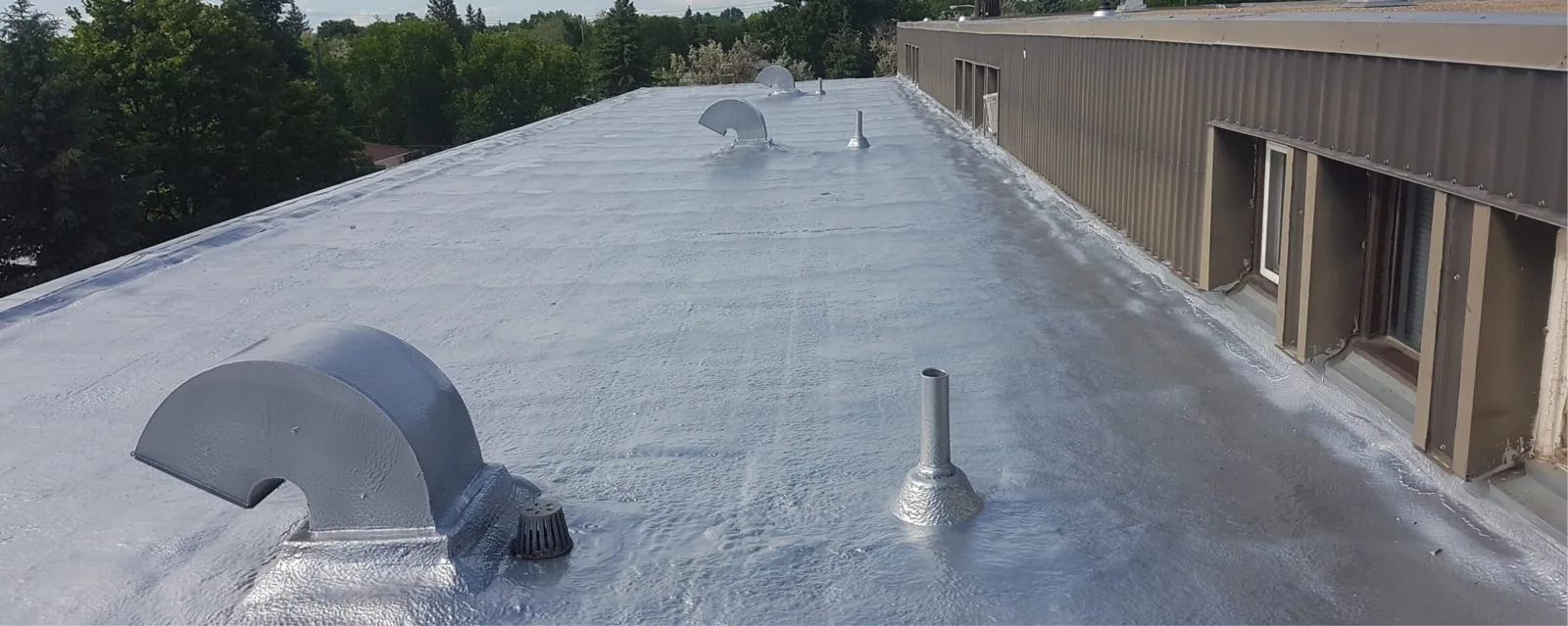
Confirm the roof is suitable for a coating
Before we price silicone, we identify the existing roof and determine whether its surface can accept the product. The inspection checks for loose or chalking coating, trapped debris, blisters, punctures, open seams, ponded areas, and damaged flashing. We review the manufacturer’s requirements for substrate, moisture, primer, temperature, and application rate. If the current surface is unknown or has multiple layers, a test patch or adhesion check may help evaluate the interface.
A coating should not hide a condition that needs a different repair. Wet insulation, an unstable substrate, corrosion, loose membrane, or failed perimeter attachment may require removal, reconstruction, or another system. We confirm suspected moisture through suitable direct testing before adding a coating to the scope. Our roof inspection records accessible conditions, while an infrared survey may support test planning only when the roof and weather conditions permit reliable readings.
Henderson flood-control guidance describes July-to-September monsoon storms that can bring intense localized rain and flash flooding. We assess actual low points, scuppers, drains, and roof transitions; citywide storm information does not establish that a particular roof ponds. If drainage corrections are needed, a drain review can define the interface before coating begins.
Prepare details before coating the field
Surface preparation includes removing dirt, loose coating, and contaminants that interfere with adhesion. We repair existing splits, seams, penetrations, and edge conditions using compatible materials before application. The scope identifies which repairs are included and how the crew will protect drains, equipment, walls, and nearby property from overspray. A coating needs a sound termination at parapets, curbs, and transitions; brushing additional material over an open detail does not replace rebuilding it.
We plan work so moisture, dust, wind, and surface temperature remain within the selected product’s application limits. Henderson’s emergency guidance reports that summer daytime temperatures above 110°F are regular in the Mojave region. That informs safe scheduling and storage planning, while actual application decisions follow the approved data and conditions at the roof. If weather changes the sequence, we protect completed work and return when the surface is ready rather than coat a wet or contaminated area.
Coating thickness and coverage must meet the product specification. We document materials, prepared areas, application conditions, and any locations that need a return pass. Henderson applies locally amended 2024 building and energy codes to permit submittals received from January 2, 2026. We coordinate project-specific code review with the design and permitting teams; a coating label alone does not establish a code result or energy value.
Edge metal and gutters can change how coating terminates and how water leaves the roof. We coordinate the roof detail with edge-metal and gutter work rather than assume the coating bridges that joint.
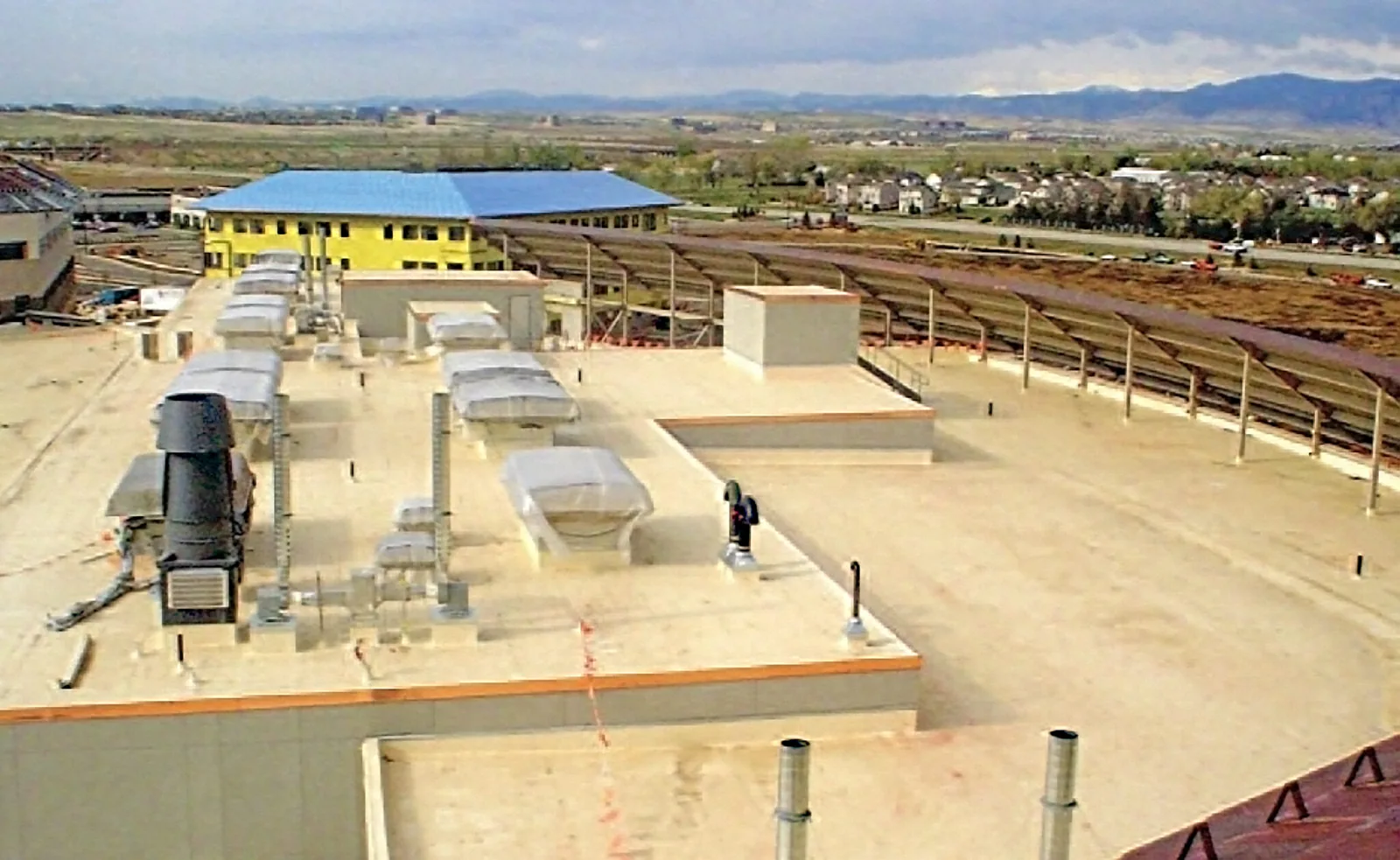
Compare silicone with other restoration options
Silicone is one coating chemistry, not a universal answer for every roof. We compare the existing membrane, substrate, drainage, anticipated maintenance, and product limits before specifying it. A system may be considered where compatibility is documented and the surface is stable. If the roof needs structural correction, insulation replacement, or widespread flashing reconstruction, a coating alone does not solve those conditions.
Where the roof has an existing spray polyurethane foam layer, we inspect the foam and old coating for integrity before a renewal. A spray foam roof system can require its own repair and coating sequence. We may also compare an acrylic coating where the substrate and product requirements make that an appropriate alternative. Selection follows the roof condition and specification rather than a generic claim about one coating’s performance.
Henderson’s planning documents set aside locations for office, flex, light-industrial, warehouse, manufacturing, and business-park activity. They also identify West Henderson as a growth area and the Sunset Industrial Corridor within Eastside. Those broad references help orient the service visit; we confirm access needs, coating history, and roof condition from each property’s records and inspection.
The proposal separates coating area from repairs, surface preparation, detail work, and any testing. If a roof needs replacement, we outline the observed reasons and compare an appropriate assembly rather than force a restoration scope onto a roof that cannot accept it.
Maintain the restored surface
After application, owners should retain the product information, preparation record, photographs, and roof-zone map. A later inspection can check coating wear, repaired seams, penetrations, drains, and places where trades have disturbed the surface. Maintenance frequency should follow product documentation and observed roof conditions. If new equipment is installed, coordinate the penetration before cutting the membrane or coating.
We keep observations separate from conclusions. A surface discoloration may be dirt, aging, or a coating condition; it does not by itself prove a leak. When a leak is reported, we inspect the location and water path, document the detail, and test concealed layers if needed. The repair record shows what was found and whether any area remains inaccessible or requires a separate scope.
For a property in West Henderson or the Sunset Industrial Corridor, the same roof-specific process applies. Henderson planning identifies a range of employment and industrial uses, but the coating decision is based on the actual assembly, records, and inspection. A clean closeout package helps the next manager or contractor understand what material is present and where work was completed.
For a multi-zone project, the daily log should identify the area prepared and coated, the application date, material batch when available, and any interruption or return work. This record helps the owner compare roof zones during later inspections and confirm that repairs were completed before the coating pass. We list outstanding items separately from finished work.
Review silicone roof coating options
Share existing coating records, roof plans, repair history, and access requirements. We will inspect the substrate and details before outlining preparation and restoration work.
Related Roofing Work
More roofing work and building types connected to this page.