
A blister or split beside a pipe penetration has three ordinary explanations, and they call for three different jobs. The flashing may have moved with the heat, the sealant around it may simply have aged out, or water may be trapped under an earlier patch and pushing up. In Green Valley Ranch we inspect the condition around the opening before choosing between a small patch and a wider correction, because a patch placed over a wet or loose area fails on the next hot afternoon.
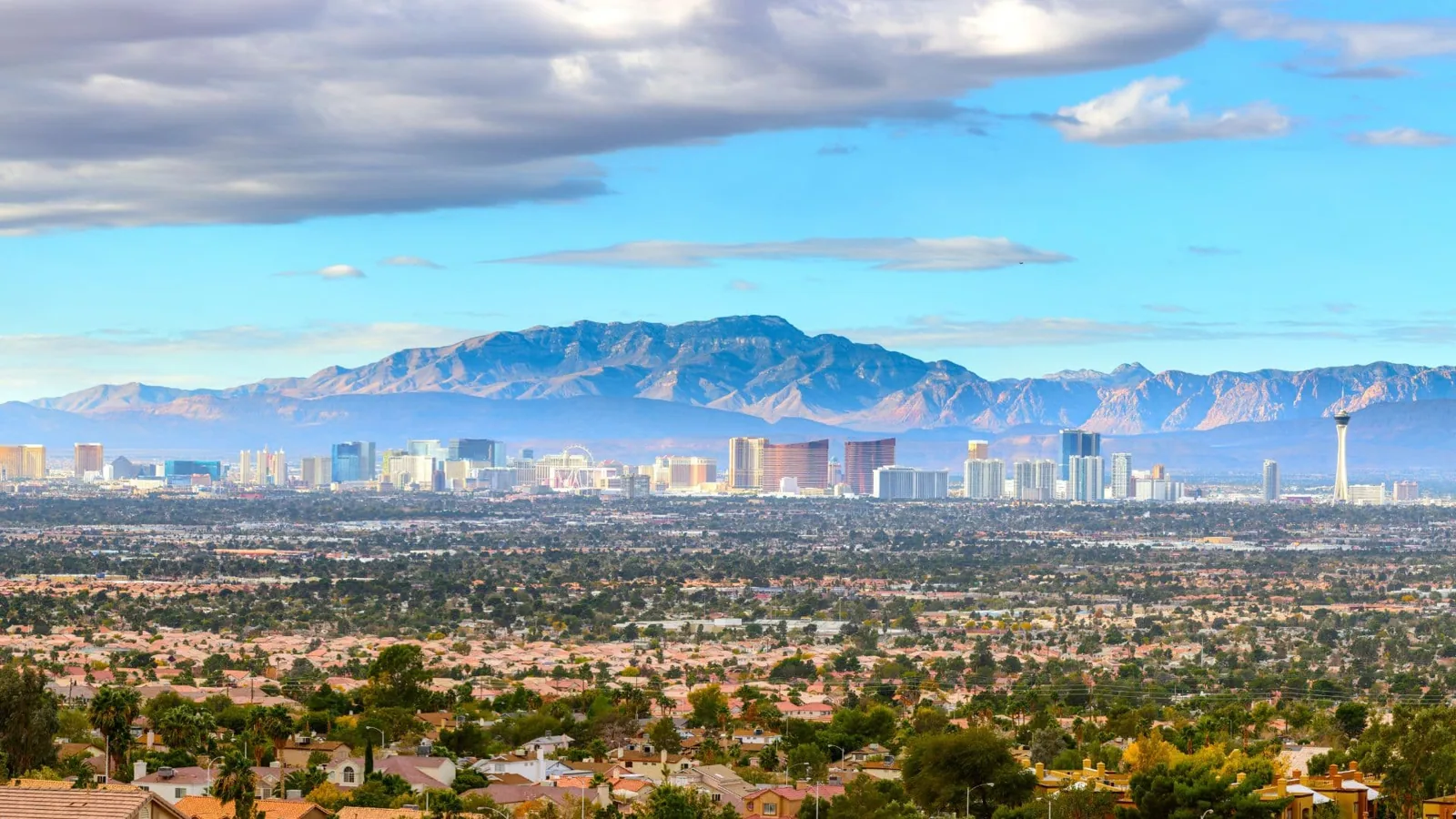
Green Valley Ranch is one of Henderson's master-planned communities, and the city's development map outlines it separately from the others. The citywide plan groups nearby commercial and employment uses into designated centers. That tells us where a service call is. What a particular commercial roof contains is something the walk has to establish: the actual assembly, the moisture evidence and the route water takes to the drain.
Find the boundary around the visible split
At the first walk we map the reported condition to a roof zone and inspect the membrane, flashing, termination and nearby seams, plus the surface below if access allows. A visible split may be limited to a detail, or it may sit beside loose material or trapped moisture that widens the repair. We photograph what is exposed and mark what stays concealed, since a record that admits its blind spots is more useful than one that pretends to see everything.
If a test opening is needed, the proposal gives its location and the approval point before the crew cuts the roof. A membrane puncture repair review can then separate a local breach from a wider membrane concern, and the manager can provide access rules, equipment records and recent repair dates to sharpen the answer.
Blisters deserve a sentence of their own. A small, intact blister over dry insulation may only need monitoring, while one that has split admits water and has to be cut out and rebuilt. We press and probe each one to learn whether it is hollow, wet inside or already broken at the edge, and the photographs give a baseline so the next visit can say whether it has grown. Heat and trapped air are the usual causes, but trapped water is the one that changes the budget.
Follow the route water takes to the drain
Rain between July and September can arrive hard enough to overwhelm drains, and a roof that never ponded in a dry year may hold water after one storm. Before repair, we trace the roof's actual slope to its drains or scuppers and check whether the work area interrupts that route. We record ponding, debris, loose seams and changes in level, and then decide whether an outlet is part of the approved scope.
If water reaches the work boundary, temporary protection must steer it away from unfinished material, and someone has to check that protection at the end of the shift. A drain and scupper repair separates cleaning, flashing and membrane work, and a low area that stays wet after the outlet is clear moves to a measurement or test before anything is priced.
Schedule against the surface temperature
Heat affects safe access and the handling of repair materials, and a Mojave summer afternoon is rarely gentle on either. Before setting the work period we confirm how hot the surface is and what the selected product allows. If a coating or adhesive cannot be installed within its instructions, we protect the area and schedule a suitable return instead of closing a detail under poor conditions.
The access plan covers the roof route, water and break arrangements, staging and a clear stop time. For an active leak that cannot wait, emergency roof repair stabilizes the condition while the permanent assembly is evaluated, and a later maintenance visit checks adjacent seams and outlets without treating one repair as a whole-roof inspection.
Know when a repair has become a project
A repair is the right answer when the failed detail and a sound receiving surface are both known. We state preparation, patch material, flashing return and the boundary that stays outside the price. If several areas need correction, or testing shows wet insulation or a weak deck, the owner can compare a focused repair with a recover or replacement on the same set of facts: layers, attachment, drainage, edge conditions, disposal and access.
A proposal should also name the finding that would change its recommendation. If removal exposes dry, sound material, the crew continues within the approved boundary. If insulation is wet or the deck is soft, we stop and document the opening before covering it, and the property manager receives dimensions, photographs and a description of the added work. The owner then chooses whether to extend the repair, commission testing, or close up and revisit a larger project.
Treat penetrations as their own scope
Pipes, vents and conduit are the usual sources of blisters and splits because they move differently from the field. We check pipe boots for hardening, pitch pans for shrinkage, and counterflashing for gaps, and we note whether a trade has added a new opening since the last record. Penetration flashing work can document the curb or skylight transition when it sits within the repair boundary.
Surrounding roofs are not drawn into the diagnosis. A property in Inspirada or Green Valley may share a contractor or a design, yet each roof gets its own findings and each repair its own boundary.
Close each detail with a handoff
Closeout shows the roof zone, the detail completed, dated photographs, materials where known and any condition left open. We record where access was restricted and whether a later test is needed. The property manager can keep the record with leak dates, equipment changes and prior repairs, so the next inspection compares the same area instead of reconstructing the work from memory.
That record also helps the next trade. A technician who sees a completed flashing detail marked on the roof plan is less likely to cut through it, and a manager who sees the date of the last repair can tell at a glance whether a new leak is the same detail or a different one.
Where the repair touched a shared route or a tenant space, the closeout names the person who accepted the area back and the date, so an unresolved item has an owner and a deadline instead of drifting between maintenance cycles.
Inspect a Green Valley Ranch roof
Share the roof plan, leak dates, repair records and access requirements. We will map the condition, check the water path and define the next scope.
Related Roofing Work
More roofing work and building types connected to this page.