A skylight can remain clear of cracks while water enters at the curb or surrounding membrane. In Henderson, NV, intense summer heat and sudden monsoon rain put repeated movement and drainage stress on that transition. We inspect the frame, curb, flashing, fasteners, sealant, and roof field around the opening before deciding whether the leak is at the skylight or another detail. The repair scope identifies the exact assembly and avoids a bead of sealant that leaves the water path unresolved.
We also confirm how the skylight is supported, whether the interior shows condensation or a roof leak, and whether recent equipment work disturbed the detail. If the frame or curb is hidden, we document that limit and request the information or opening needed to confirm it. The owner receives a repair recommendation tied to observable conditions and the building’s operating needs.
Separate Frame, Curb, and Roof Failures
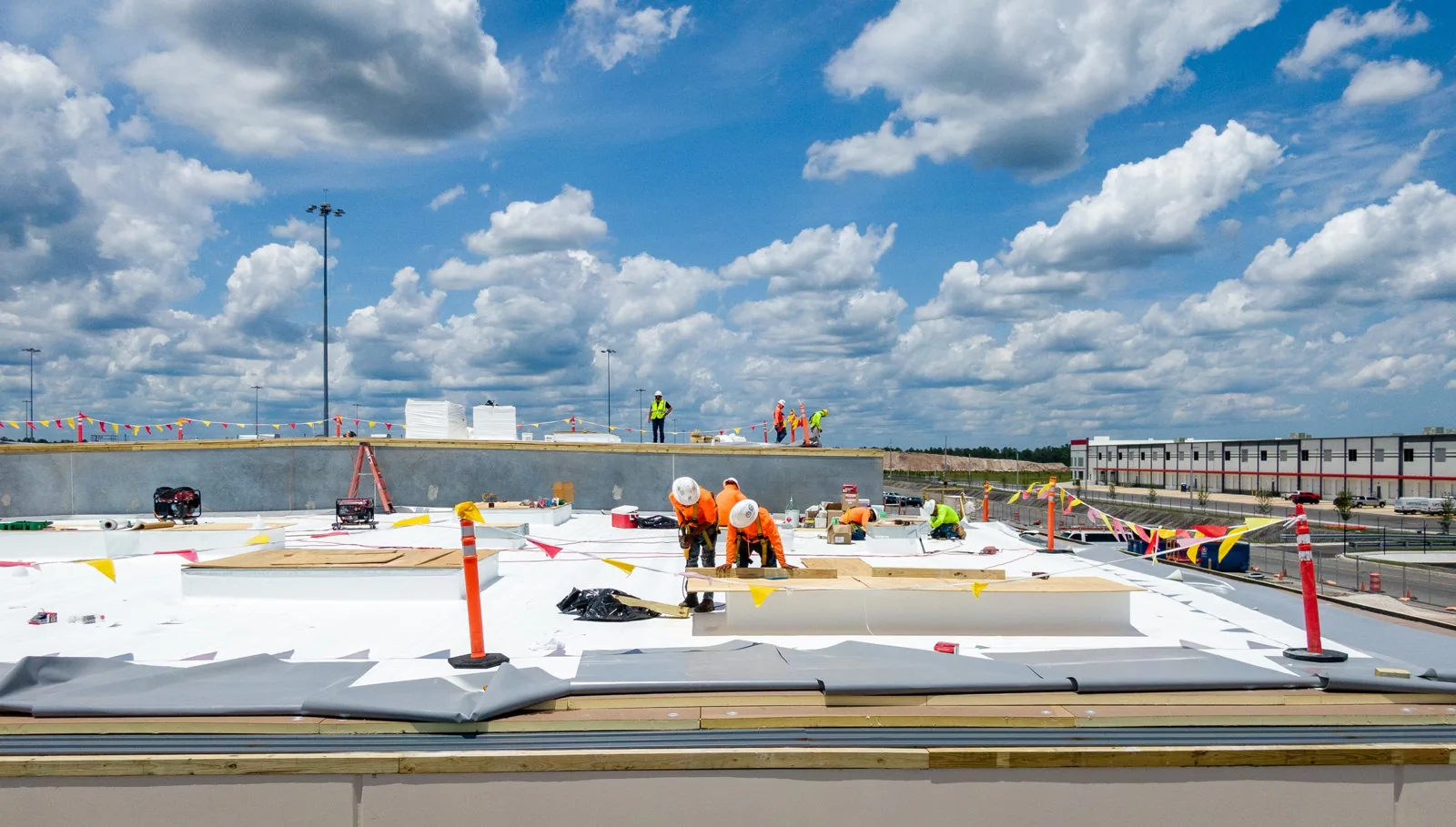
Water at a skylight can enter through a cracked lens, failed frame joint, loose fastener, curb flashing, or membrane seam nearby. We inspect each interface and compare it with interior symptoms. Condensation on a cold surface may look like a roof leak, while water can travel along the curb before reaching the ceiling. We look at the pattern, weather timing, and roof geometry, then describe the most likely source and what would confirm it. We check whether the curb is continuously flashed on all four sides, how corners are formed, and whether a frame fastener has created an opening through the roofing. Where the skylight sits in a raised curb, we inspect the vertical membrane and cap flashing together. The report names any side that could not be reached without removing a cover or adjacent component.
Henderson emergency guidance describes regular summer daytime temperatures above 110°F in the Mojave region. Thermal movement can affect flashing and sealants, but the climate alone does not prove a skylight defect. We test loose material, review sealant condition, and examine whether fasteners have backed out or the curb has shifted. When a skylight needs replacement rather than flashing repair, we assess curb dimensions, drainage, and compatibility with the roof before selecting the scope.
A roof inspection checks nearby seams and penetrations as part of the diagnosis. If there are multiple water marks or concealed moisture is suspected, infrared scanning may help choose areas for direct verification. We separate scan patterns from confirmed wet insulation in the report.
Rebuild the Transition Correctly
The repair needs to connect the skylight curb to the roof membrane without blocking drainage or leaving a capillary path. We remove failed flashing within the approved scope, prepare the substrate, and install compatible membrane and counterflashing details. We inspect the curb corners, where folded material and sealant can conceal a gap. If the curb itself is deteriorated or lacks adequate height, we present the structural or replacement work needed before restoring the roofing.
Skylights above occupied rooms require interior protection and coordination. We confirm whether the building can isolate the area, move sensitive equipment, or schedule work outside the busiest hours. If the lens or frame is being replaced, we coordinate the opening with the glazing or building contractor and confirm which trade handles the unit. The roofing scope covers the curb and roof tie-in, with responsibilities stated before work starts.
Membrane type changes the flashing method. A TPO roof detail, PVC assembly, or modified bitumen transition requires materials compatible with the installed system. We verify the roof from plans or field evidence and document the completed laps and corners. A cover board review is appropriate if the surrounding substrate is soft or moisture affected.
Plan Around Heat and Rain
Henderson flood-control guidance notes that monsoon-season storms from July through September can bring intense localized rainfall. Before repair, we check whether the skylight curb, nearby drains, and surrounding roof can move water away from the opening. If a drain is blocked or water pools at the curb, that condition needs separate correction. We do not treat an open seam and a drainage issue as one repair merely because both appear during a leak visit.
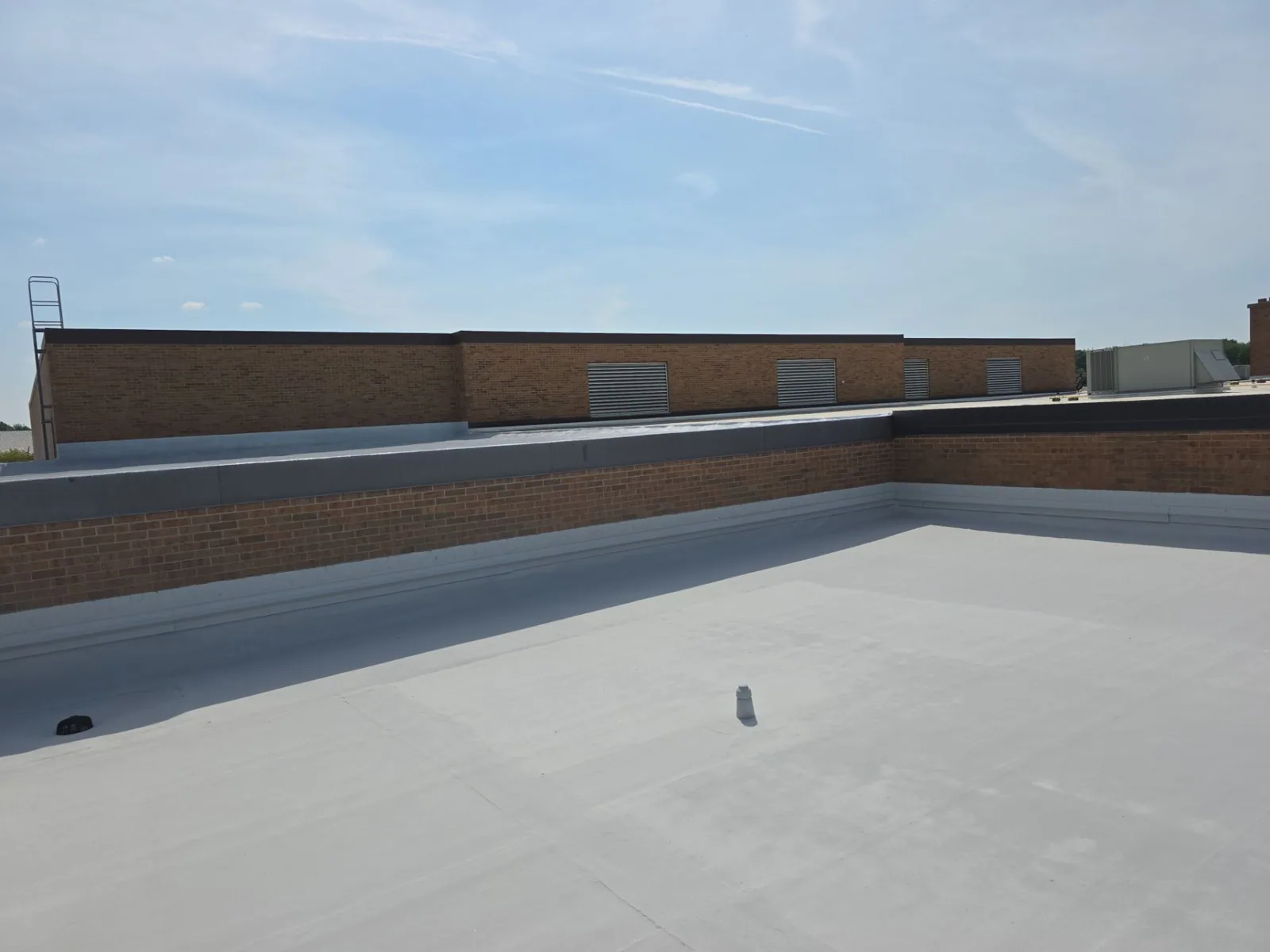
Hot surfaces affect safe access and the installation window for flashing materials. We follow the system’s requirements for surface condition, preparation, and cure, and we reschedule if wind or rain would compromise the detail. Temporary protection can limit exposure while waiting for a suitable window, but the record identifies it as interim. Once the repair is complete, we check edges and corners where the flashing ties back into the field membrane.
Properties near Water Street or West Henderson may have different access patterns, but the roof detail itself determines the repair. We confirm ladder or hatch access, tenant hours, and interior restrictions before setting the work date.
Record the Repair and Next Check
Closeout photographs show the curb, corners, membrane tie-in, and any frame work included in the scope. We note materials used, the area repaired, and whether the skylight unit itself remains in service. If a glazing contractor or other trade handled the frame, the record identifies that boundary. The property manager can compare the completed work with later inspections without relying on a verbal summary.
When a skylight detail has failed more than once, we examine whether movement, drainage, curb condition, or maintenance access contributed. Repeated caulk application without correcting the source can leave water entering below the surface. A maintenance visit can check the repaired corners and nearby flashing as part of the roof record. If conditions point to widespread membrane wear, we compare the local repair with a broader restoration or replacement plan. If a skylight is being replaced, we verify rough opening dimensions and curb condition before ordering a unit. We also confirm that the proposed frame and flashing detail suit the roof system and do not obstruct drainage. The work plan identifies who will remove the old assembly, protect the opening, and close the tie-in before the building is left exposed.
Henderson’s employment areas include office, flex, warehouse, manufacturing, and light-industrial uses. A skylight repair in any of these buildings must account for the space below, roof access, and ventilation or production needs. We ask the property manager how the area operates, then schedule work around those constraints rather than assume a standard shutdown.
Inspect the skylight transition
Share leak dates, roof plans, prior repairs, and any glazing work records. We will inspect the curb and membrane connection, coordinate access, and define the repair boundary.
Related Roofing Work
More roofing work and building types connected to this page.