
A restoration file starts with what happened to the roof and what the roof shows now, and those are two different records. The first comes from the people who saw the damage: the date, the weather, the room, and the emergency measures taken. The second comes from a walk across the membrane, the flashing and the drains. We keep them apart, so a reviewer can see which statements are observations and which are reports.
Henderson's emergency guidance lists thunderstorms, hail, strong winds, lightning, flash flooding and extreme heat among the area's severe-weather hazards. A list of hazards does not tell anyone what happened to one roof, so every finding we write is tied to a location, a photograph and a date. Coverage decisions stay with the insurer and the policyholder's representatives.
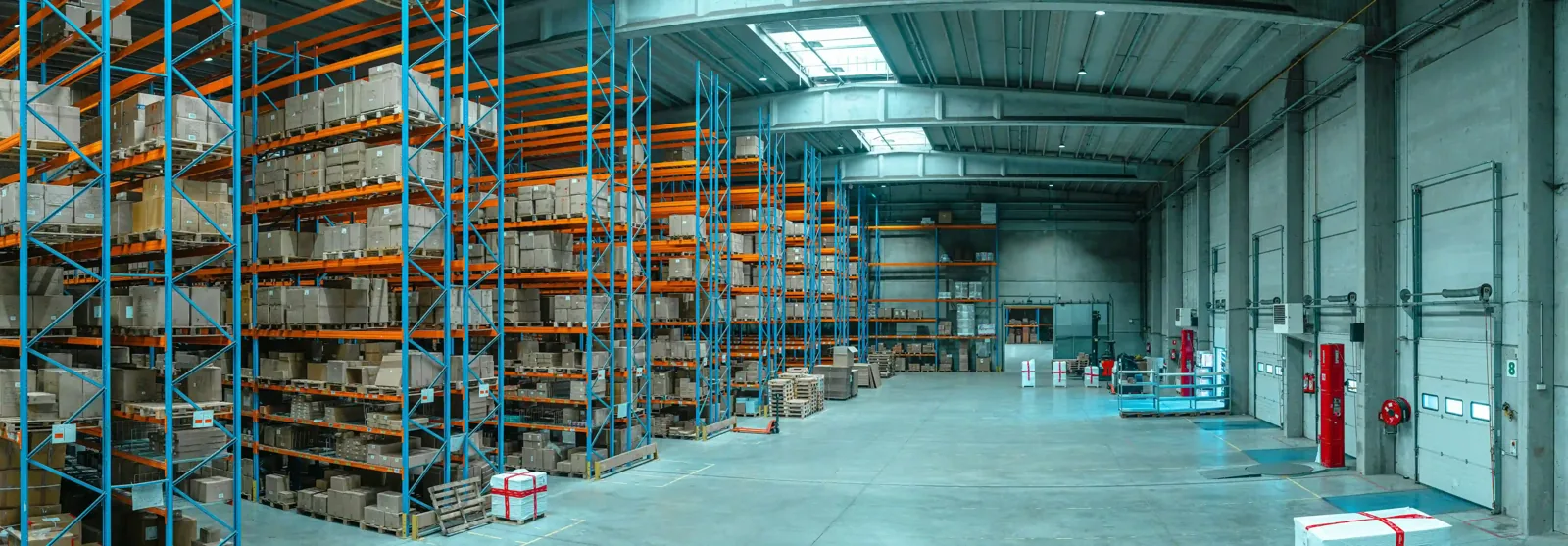
Capture the condition before anything moves
The best roof record is made early. Hail marks fade under dust, loose metal gets nailed back, and a tarp hides the opening it was meant to protect. Where it is safe, we photograph the roof as found, then note who placed any temporary cover, what area it protects and when it was installed.
One wide frame places each condition on the building; a tight frame keeps the seam, fastener or flashing detail that a repair crew will need. Earlier photographs or maintenance notes, where they exist, help us tell a new opening from an old patch. Where no earlier record exists, the report says so instead of assigning a date or cause the roof cannot support.
Separate emergency work from permanent repair
Stabilization and permanent work have different goals. The first reduces exposure while weather and safety limit what is possible; the second follows a documented inspection of the assembly. Our emergency roof repair response covers the first, and the work note states what was installed, where, and when it must be checked again.
A temporary cover is not a repair, and it is billed and described that way. When the roof is dry and safe, we return to verify the assembly and define the permanent repair boundary. If the owner or the claim representative needs the two scopes priced separately, each one carries its own quantities and assumptions, so no one has to guess which dollars protected the building and which restored it. Photographs taken before and after the temporary work, with the date visible, make that separation easy to verify.

Test before the scope grows
Water travels. A puncture at a rooftop unit can wet insulation ten feet away, and a visible repair can leave a saturated layer underneath. A moisture survey can mark candidate areas for a test cut, but a temperature pattern is a lead, not a measurement, and the report says which areas the scan could not read.
When a test cut is warranted, we state its purpose, the owner's approval, the location and how the opening is closed the same day. If the cut finds wet insulation or a damaged deck, we photograph the layers, protect the area and report the added quantity before it becomes part of the work.
Write scopes adjusters can compare
An estimate that reads as a lump sum is hard to review. We list measured areas, removal limits, insulation, membrane, flashing, edge metal, drainage and disposal as separate lines, and we flag exclusions and pending findings. An allowance is described as an allowance, with the condition that would trigger it. A roof claim documentation package carries the photographs and measurements alongside the scope.
Where the damage is localized, a repair scope with a clear boundary is the fair comparison. Where moisture crosses zones, the attachment has failed or repeated repairs are opening again, the same document sets out a recover or replacement alternative so the reviewer can weigh the evidence for each path. A storm damage roof repair scope names the displaced metal, bruised membrane or opened seams one by one.
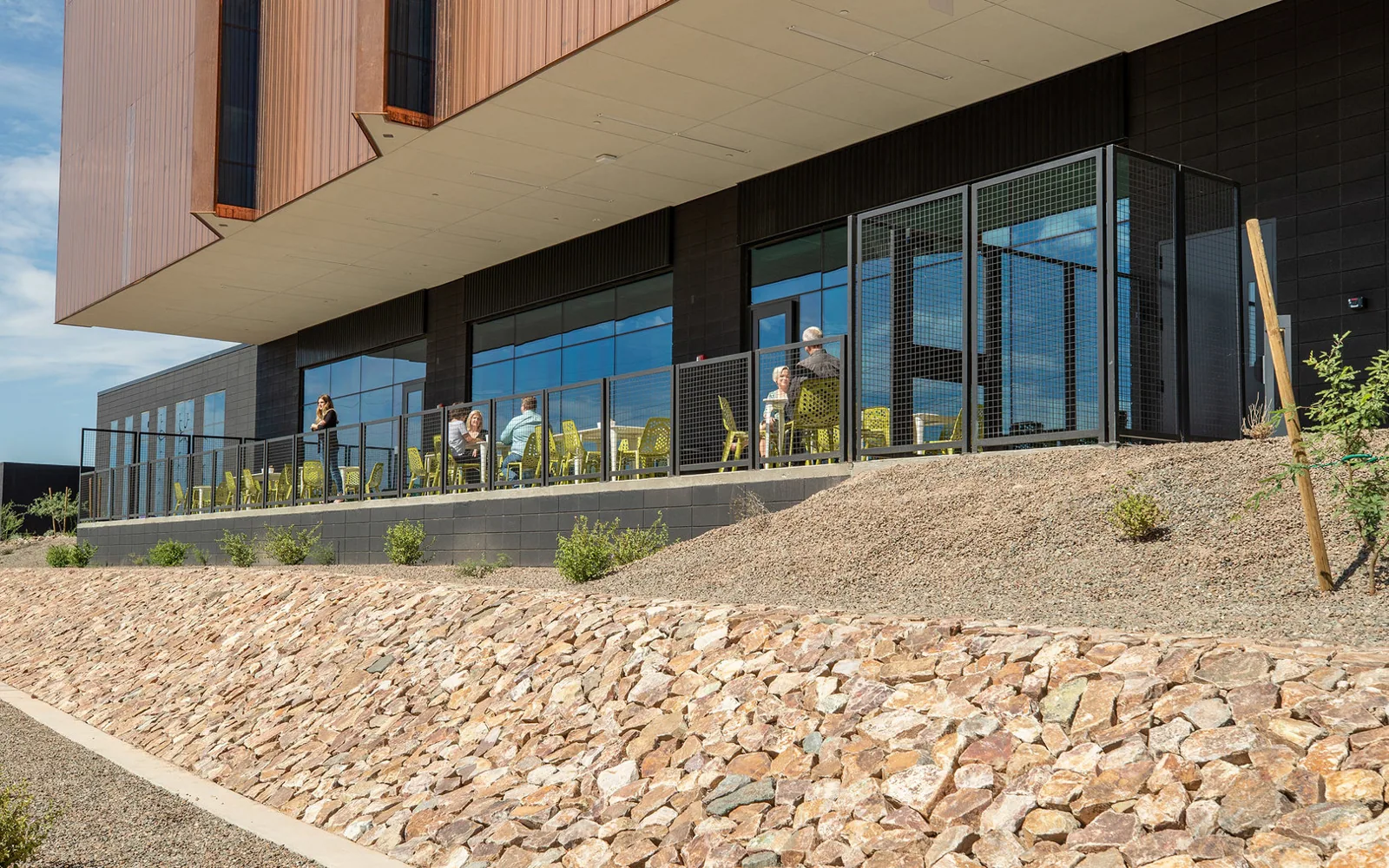
Read hail, wind and heat for what they leave behind
Each hazard marks a roof differently, which is why a general statement about a storm settles nothing. Hail leaves bruises in single-ply membrane, fractured coating, dents in metal and displaced mineral surfacing, and the marks fade as dust and foot traffic cover them. Wind lifts perimeter metal and works on seams at corners. Heavy rain exposes a clogged drain or a failed flashing that had been quietly leaking for months.
Heat is a different kind of evidence. Summer days above 110°F are regular in the Mojave Desert, so chalking, shrinkage and brittle sealant can be old wear rather than a recent event, and we compare exposed areas with protected ones before calling a condition storm damage. A hail damage review records where the marks sit, how many there are in a measured test square and whether they reach the layer below the surface.
Coordinate everyone who needs the roof
Restoration jobs bring consultants, adjusters, mitigation crews and repair crews to the same building. We ask the owner to appoint one site contact, confirm whether the facility can stay open, mark routes that must remain clear, and decide who approves destructive testing. Each visit is logged with date, attendees and area accessed.
General contractors on a rebuild need the same discipline from their side, as described for general contractors, and owners who manage several buildings can keep each loss separate in a portfolio record, the way property management companies do. A loss in the Sunset Industrial Corridor or near Downtown Henderson is written up for the property involved, not for the district.
Close the file with a dated record
At completion the owner receives a dated scope, the locations repaired, photographs, material information and any warranty or maintenance terms. Emergency work and permanent work are listed separately, along with items that need another trade, such as ceiling restoration inside. The interior contractor keeps its own work order, and the two are linked by event date or property reference.
Heat and weather can lengthen a project, so the timeline records when the roof was safe to enter, when temporary protection went on and when permanent work became practical. Each delay is given its own reason and date. If a later inspection finds another affected zone, it becomes a new entry, and the original event record stays intact.
Before the file is closed, we walk the repaired zones with the owner's contact and confirm that temporary protection has been removed, drains are clear and every opening that was cut for testing has been restored with a compatible detail. Anything we could not reach, such as a roof area blocked by equipment or a section under another contractor's control, is listed as not inspected, so no one reads silence as approval.
Start the roof record while the evidence is fresh
Send the loss date, roof plans, interior photographs and any temporary work records. We will document the roof as found, separate emergency and permanent scopes, and give your team a measured repair boundary.
Related Roofing Work
More roofing work and building types connected to this page.