A roof that drains well in a dry year can still fail in the one storm that arrives all at once, and the way to tell the two apart is to look at the roof before the rain. For commercial properties in Las Vegas, NV, our work begins with that kind of inspection: where the water goes, where seams and flashings have aged, and which roof zones show surface wear or moisture below it.
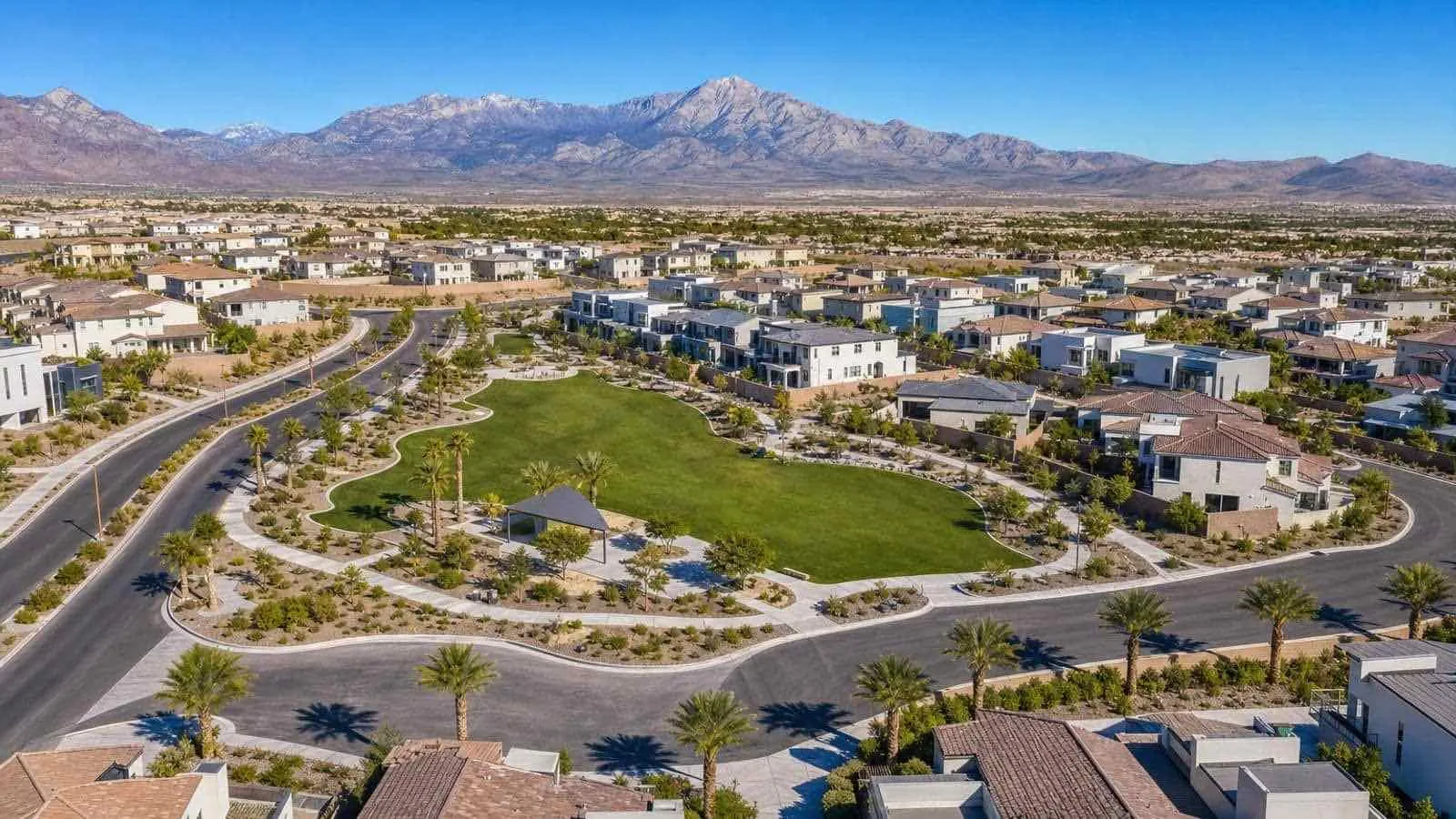
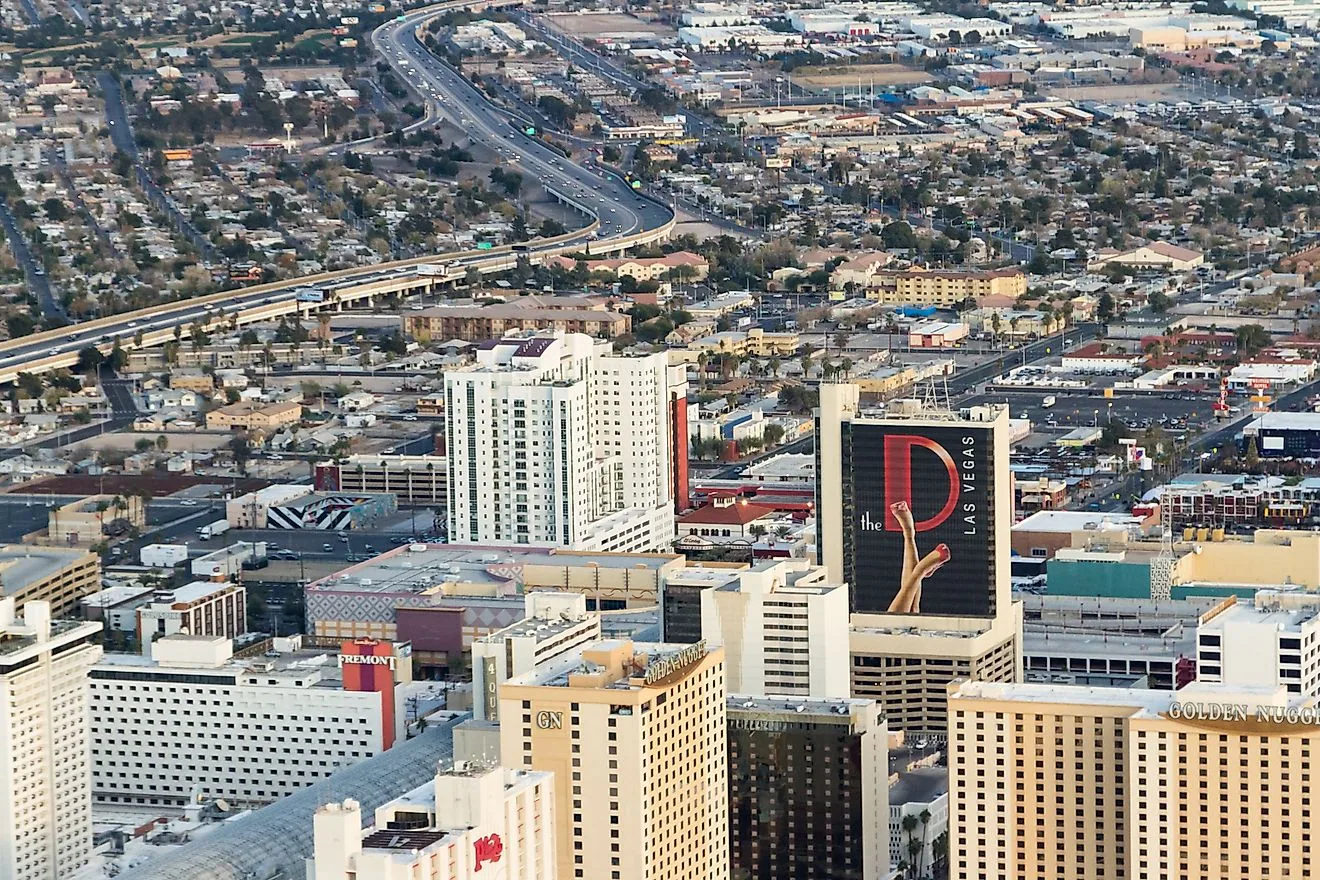
Las Vegas is a separate incorporated city and one of the principal municipalities in the Las Vegas-Henderson-North Las Vegas metropolitan area. The city's economic development program identifies Downtown, the Medical District and other redevelopment areas as commercial destinations, and the city administers several redevelopment areas that include Downtown and broad commercial corridors. We serve the city from Henderson, and we plan each roof by what the walk shows rather than by assumptions about the neighborhood.
Sort Properties by Condition, Not by Address
An owner with several buildings across a city needs a ranking, and a ranking needs comparable data. We inspect each roof against the same checklist: membrane condition, seam and flashing state, drain function, penetrations, rooftop equipment and signs of moisture. The results go into one written record so the roof with an active leak and the roof with years of margin are not treated as equals.
That approach suits the mixed redevelopment and commercial corridors the city describes. A building near downtown Las Vegas may share a block with older and newer structures and need different treatment, and a property near the Las Vegas medical district may have strict access needs for occupants. A multi-site roof program turns individual inspections into a schedule that spreads cost across years while keeping the leakiest roofs first.
Plan for Low Rainfall and High Intensity
NOAA's 1991 to 2020 climate normals for the Las Vegas station show an annual mean temperature of 70.1°F and 4.18 inches of precipitation. Those are regional station values, and they do not describe any one roof, but they explain a pattern we see in inspection: roofs go long periods without heavy water and can hide drainage faults until a storm exposes them. Monsoon-season storms between July and September are the exception that tests those drains, with rain intense enough to overwhelm them.
Heat is the other constant. Summer afternoons above 110°F are regular in the Mojave Desert, so membranes here see long ultraviolet exposure and wide daily temperature swings. We check for chalking, shrinkage at flashings and open laps. When the surface looks sound but the owner suspects a hidden problem, a drone roof inspection can survey a large or hard-to-reach roof quickly and show ponding, discoloration and drainage patterns from above.
Verify Moisture Before Pricing a Fix
Surface appearance is a poor guide to what lies under a membrane. A roof can look clean and still hold wet insulation near a drain or flashing, and a stained roof can be dry underneath. Before pricing coating or a recover, we combine a walking inspection with moisture evidence: an infrared moisture survey maps temperature patterns that suggest trapped water, and a small test cut confirms what is actually in the assembly at each suspect area.
The distinction changes cost. Dry insulation under a worn surface can often be preserved, repaired and coated. Wet insulation has to come out, and the area replaced may be small or large depending on how far the water traveled along the deck. We record the size and location of every confirmed area so the repair boundary is measured, not estimated, and so a later leak call can be compared with the original findings. Owners who see this evidence can choose between a limited repair and a full replacement with the facts in hand.
Coordinate Work on Occupied and Medical Buildings
Roofing above patients, tenants or customers changes how the work is staged. We plan tear-off, hot work and crane lifts around operating hours, protect interior spaces below the work area and keep clear pathways for deliveries and emergency access. For a medical office building, the owner also needs to know what noise, odor and vibration the crew will produce and when, so the schedule is written before material arrives.
Healthcare roofs add questions about infection control and equipment that cannot be shut off. Where the building is part of a medical campus or office cluster, medical office roofing and hospital roofing scopes reflect those limits in access, sequencing and temporary protection. The owner and facility manager review the plan before work starts, and any change in the schedule is confirmed in writing.
Choose the Right Scope for the Roof
Repair, coating, recover and replacement each fit different conditions. A localized fix works when the assembly is dry and the defects are discrete. A coating helps when the membrane is sound and the goal is to renew the surface and improve reflectivity. A replacement is the practical choice when insulation is wet or the membrane no longer holds repairs. A commercial roof replacement scope covers tear-off, insulation and cover board, new membrane and every flashing detail.
Cost and timing follow the building: access, roof area, roof height, mechanical equipment and permit requirements. Henderson's amended 2024 building and energy codes cover permit submittals received on or after January 2, 2026, and the owner of a Las Vegas property should confirm which jurisdiction's permit process applies before bidding. We give a written scope and a list of what drives the price.
Share the building list and roof history
Send addresses by area, roof plans, leak dates, recent repairs and any equipment changes. We will turn them into a ranked inspection plan for your Las Vegas properties.
Related Roofing Work
More roofing work and building types connected to this page.