
A roof coating is a restoration option only when the existing assembly can support it. In Henderson, NV, high solar exposure makes the surface and coating condition central to that review, while monsoon rain tests drainage and transitions. We inspect adhesion, moisture, seams, flashings, and substrate before deciding whether coating can extend service or simply hide a defect. The scope states what preparation and repairs are needed before a coating is applied.
We compare coating with targeted repair, recover, and replacement. If the membrane is loose, insulation is wet, or water cannot reach the outlets, coating alone will not correct the underlying problem. The property manager receives a condition record, a surface preparation plan, and a clear boundary for repairs before the coating system is specified. We also identify which roof areas remain outside the restoration scope so future service calls can distinguish coated zones from other assemblies.
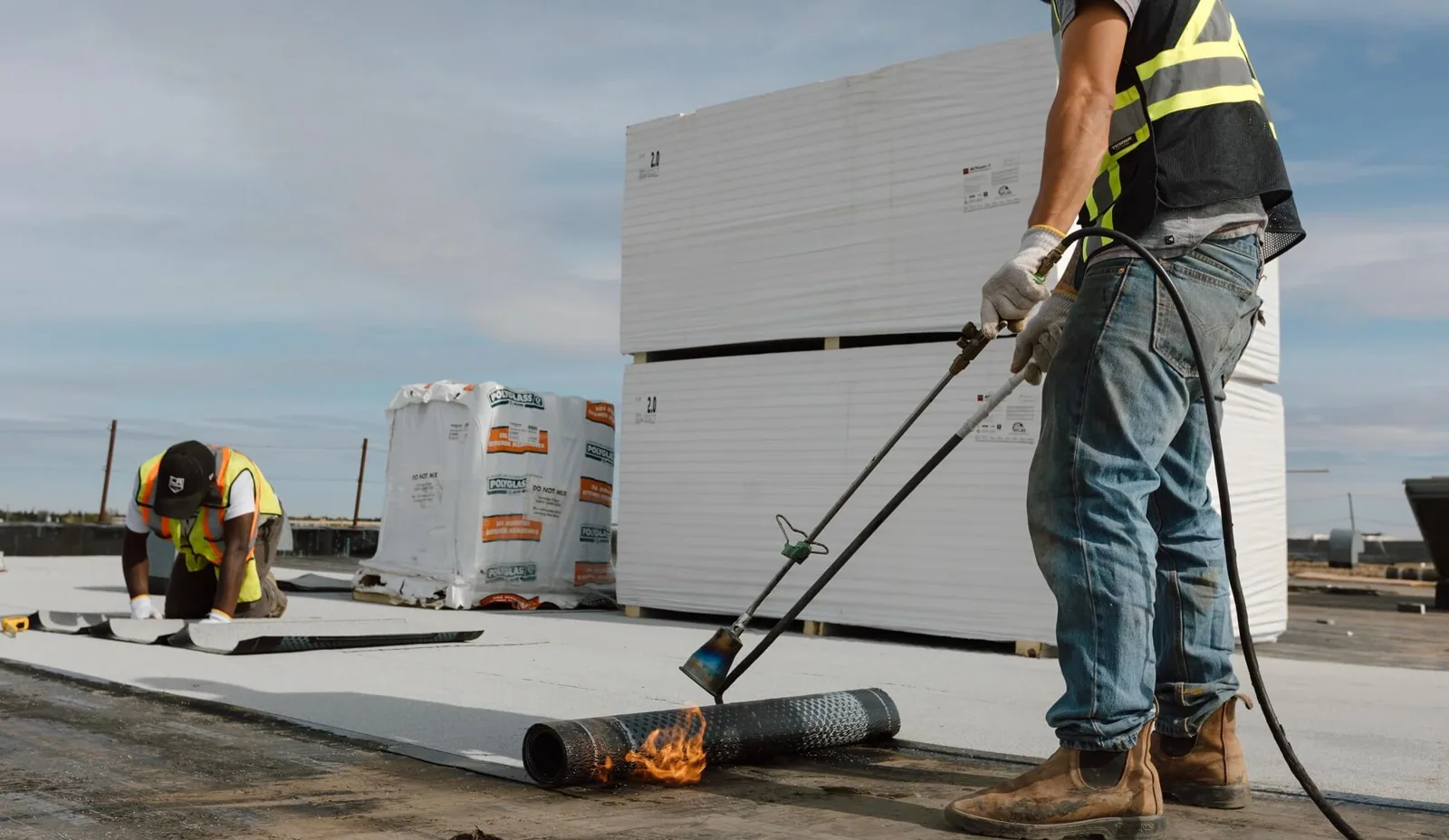
Confirm the Roof Can Be Restored
We begin by identifying the existing roof system and checking whether the surface can accept a coating. Loose material, chronic ponding, incompatible patching, failed seams, or saturated insulation can change the recommendation. The review includes roof records where available and field observations at representative areas. If the membrane or substrate needs direct confirmation, we recommend testing before pricing restoration so the coating scope does not rest on an assumption.
Henderson emergency guidance describes regular summer daytime heat above 110°F in the Mojave region. That exposure makes coating condition and surface preparation important, but the city's climate does not prove that a particular roof needs restoration. We check for chalking, cracking, exposed reinforcement, adhesion loss, and prior coating compatibility. A test area can help verify bond and application behavior before a larger scope is approved.
A roof condition inspection documents the roof zones, drainage, and transitions that influence suitability. If suspected moisture lies below the membrane, an infrared survey may identify areas for direct testing under suitable conditions. We keep visible wear, possible moisture, and verified damage separate in the recommendation.
Repair and Prepare Before Application
Coating performance depends on what is underneath and how the surface is prepared. We remove dirt and loose material, address compatible repairs, treat seams and penetrations, and verify that the substrate is dry enough for the chosen product. The exact cleaning and primer requirements depend on the roof material and coating system. We do not apply a uniform layer over an unexamined roof and call it restoration.
Drainage deserves attention before coating work begins. Henderson's flood-control guidance says monsoon-season storms can produce intense localized rain and flash flooding from July through September. We inspect drains, scuppers, low points, and edge transitions, then correct accessible obstructions or scope the roofing detail separately. A coating cannot fix blocked outlets, reverse slope, or rebuild wet insulation. Our drain and scupper work can be included when the outlet or surrounding membrane needs correction.
Cracks, open laps, and curb flashings are repaired with materials compatible with the existing assembly. We check adhesion at transitions and use reinforcement where the specified system calls for it. If a failed seam reflects broader membrane separation, we assess whether restoration remains appropriate. A silicone coating or acrylic system must be selected for the roof and expected exposure, not chosen by color or product label alone.
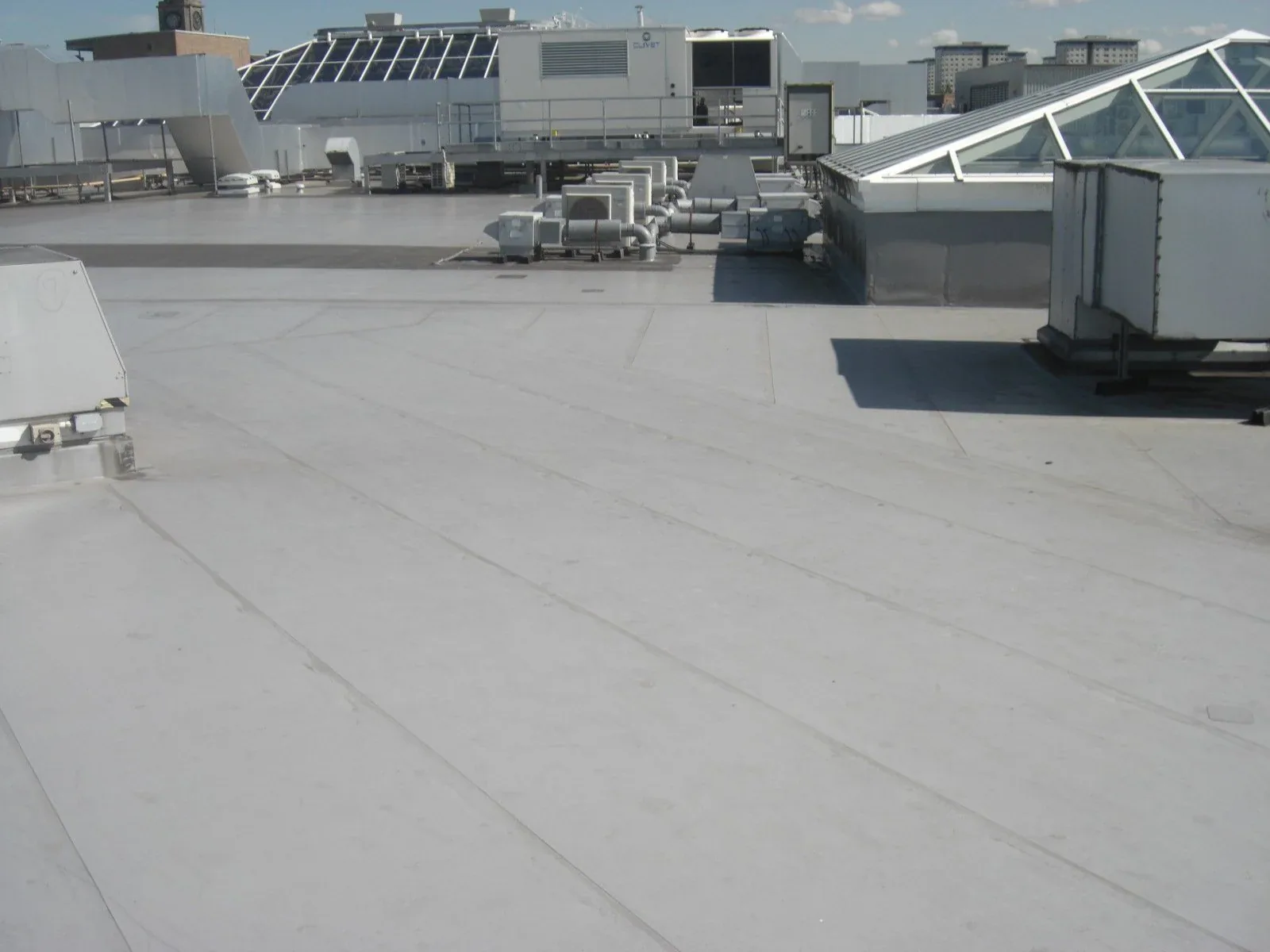
Plan the Work Around Conditions
Application depends on surface temperature, weather, moisture, cure times, and safe access. Henderson heat can make a roof surface substantially hotter than the air, so we plan work to meet the coating manufacturer’s published application limits. Wind or rain can also interrupt a section and affect how the next pass ties in. We sequence the project so exposed areas are prepared and protected in a controlled way, and we identify weather holds in the schedule. Before application, we confirm the roof is clean, dry, and within the chosen system's limits. We inspect edges and terminations as the work progresses, record batch and application details, and protect areas where coating should not extend. At transitions, a detail sample can show whether reinforcement and flashing are installed as specified. These checks create a usable closeout record for later maintenance.
Building use affects staging. A warehouse may need a loading lane kept open; an office may have roof access restrictions; a manufacturing property may need protection around air intakes. Henderson's plan identifies employment centers for office, flex, light-industrial, warehousing, and manufacturing uses, but each site's operations are confirmed directly. We coordinate with the manager on access, rooftop units, deliveries, and any periods when work above occupied areas should pause.
For projects around West Henderson or the Sunset Industrial Corridor, we plan around the property rather than assume a standard roof layout. Where solar or mechanical equipment affects coverage, a solar-ready roof review can coordinate attachment and flashing details with the restoration scope.
Compare Restoration With Replacement
The decision depends on the existing roof’s condition, repair history, insulation, attachment, drainage, and remaining service life. A coating can renew a suitable surface and reduce tear-off, but it does not restore every assembly. If damage extends through the membrane, wet layers are widespread, or the roof cannot be prepared to the product requirements, we compare replacement or another system. The recommendation identifies what evidence led to that conclusion.
Cost and schedule reflect cleaning, repair work, primer, reinforcement, coating quantity, access, safety controls, and the condition discovered during preparation. We describe those elements separately so the manager can compare the proposed restoration with a recover or replacement scope. A TPO replacement option may suit a different condition than an approved recover. We explain tradeoffs in terms of the roof’s actual layers and drainage.
The closeout record lists the areas completed, preparation and repair details, application conditions, and any maintenance needed. A maintenance schedule can monitor seams, coating wear, and outlets after the work. It keeps restoration from becoming a one-time surface application without follow-up.
Evaluate coating restoration
Send roof plans, coating records, leak history, and access hours. We will inspect the assembly, check preparation needs, and compare restoration with other roof options.
Related Roofing Work
More roofing work and building types connected to this page.