Fastener heads that have backed out of a large low-slope roof leave small raised bumps, and each one can become a path for water or a point where the membrane wears through. On industrial and commercial buildings in North Las Vegas, NV, that kind of slow mechanical wear is a first suspect, along with heat exposure and the seams that carry water toward the drains. We start with a systematic walk of the roof field, then move to edges, penetrations and rooftop equipment.
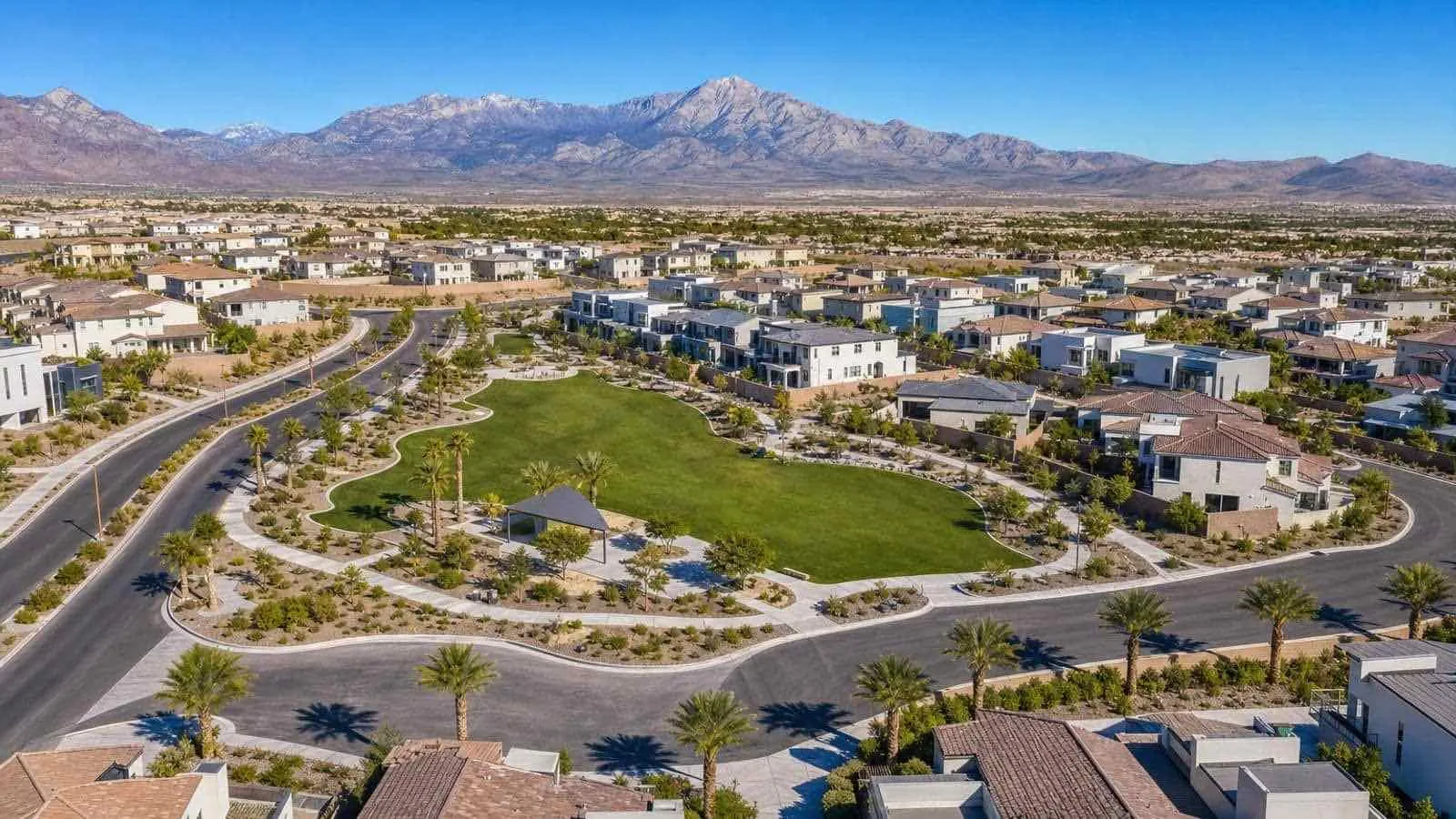
North Las Vegas is an incorporated city within the same metropolitan area as Henderson. Apex Industrial Park there covers about 18,000 acres, with thousands of acres designated for development, and it is served by major regional highways and rail infrastructure and planned for industrial, logistics and manufacturing use. We do not assume what any individual building has on its roof. We confirm the membrane, the insulation and the drainage on site, then give the owner a written account of condition and options.
Walk the Field of a Large Low-Slope Roof
A roof across a distribution, warehouse or manufacturing building is mostly open field, with few details to distract the eye. The risks are subtle: shallow ponding that spreads wide before reaching an outlet, loose or backed-out mechanical fasteners, laps that have opened along a long run and rooftop traffic paths worn through the surface. We walk in a pattern that covers the full area, photograph defects with a position mark and note where the surface sounds or feels different underfoot.
A large roof also invites partial answers. A fast patch at a leak location may leave the next weak seam thirty feet away untouched. We compare the repair with the roof's overall condition and tell the owner whether a series of repairs is likely to hold or whether the membrane is reaching the end of its useful life. A warehouse roof and a distribution center roof share these field concerns even where their rooftop equipment differs.
Test Drainage Before the Monsoon Season
On a broad roof, the drainage plan carries more weight than any single repair. Water from a large catchment concentrates at a few outlets, and when one clogs, the pool grows quickly and loads the structure. Monsoon storms between July and September can bring intense localized rainfall that overwhelms drainage, which is why we test outlets in late spring rather than after the first heavy storm.
We clear strainers, check that drain bowls are sealed to the membrane, look at overflow scupper height and confirm that downspouts or interior leaders are open. Interior drain lines on large buildings can hold debris that a roof walk cannot see, so we recommend flushing them when the building's maintenance staff can arrange it. If testing shows chronic ponding, the answer may be an added drain, tapered insulation or a re-slope, and the ponding water repair scope compares those options by cost and disruption.
Control Heat and Reflectivity on Wide Roofs
Henderson's hazard analysis classes extreme heat as severe, and summer days above 110°F are regular in the Mojave Desert. North Las Vegas shares the metropolitan area and the desert setting, so heat belongs in the design of any exposed roof there.
On a wide roof, surface temperature drives expansion and contraction across long membrane runs. Reflective surfaces reduce the heat the roof absorbs, and a cool roof installation pairs a reflective membrane or coating with insulation suited to the building's use. For a building with refrigerated or temperature-sensitive storage, we ask how roof insulation, vapor control and rooftop equipment loads fit together, since moisture drive and thermal movement behave differently above a cold interior than above ordinary storage.
Decide Whether Coating Can Extend Service
A restoration coating can renew a surface when the membrane is dry, well adhered and free of chronic ponding, and for a roof with a large area it can cost less than replacement. The decision rests on testing: adhesion checks, moisture evidence and a review of seams and flashings. Where the work is sound, preparation includes cleaning, seam treatment and detail reinforcement before the coating goes.
Where it is not sound, coating hides the problem for a season or two. Wet insulation, a deck that has settled or a membrane that has shrunk from its terminations all call for different work. A roof coating restoration proposal from us states what is repaired first, what stays outside the coating scope and what the owner should watch afterward. If the building is still in warranty, we also review how repairs and coating interact with those terms before any work starts.
Schedule Around Loading and Operations
Logistics and manufacturing buildings often run long hours, and roof work must fit around shipping, receiving and production. We agree on crane locations, staging areas and truck routes with the facility manager, plan safe separation between roof crews and dock traffic, and protect rooftop air handlers and exhaust fans during tear-off. If an interior process cannot tolerate dust, we plan temporary protection before opening the roof.
North Las Vegas also holds healthcare buildings. The VA Southern Nevada Healthcare System identifies its North Las Vegas medical center as its main campus, a reminder that roof access rules differ sharply between a warehouse yard and a care facility. We confirm those rules with the owner at the outset. For owners who hold buildings in the Apex industrial park and in Las Vegas, a multi-site roof program can set a common standard and a single reporting format.
Send the roof records for your building
Share roof plans, recent repairs, leak dates and any rooftop equipment changes, along with the building's operating hours, so the inspection can answer the question you actually have.
Related Roofing Work
More roofing work and building types connected to this page.