
Water that lingers on a flat roof for a day after a summer storm is a symptom, not a diagnosis, and the cause may be a clogged outlet, a sagging deck, saturated insulation or simply a shallow low spot on a sound roof. For commercial buildings in Seven Hills, a planned community listed among Henderson's master-planned areas, we start by measuring where the water sits and how long it stays, then follow it to the drain.
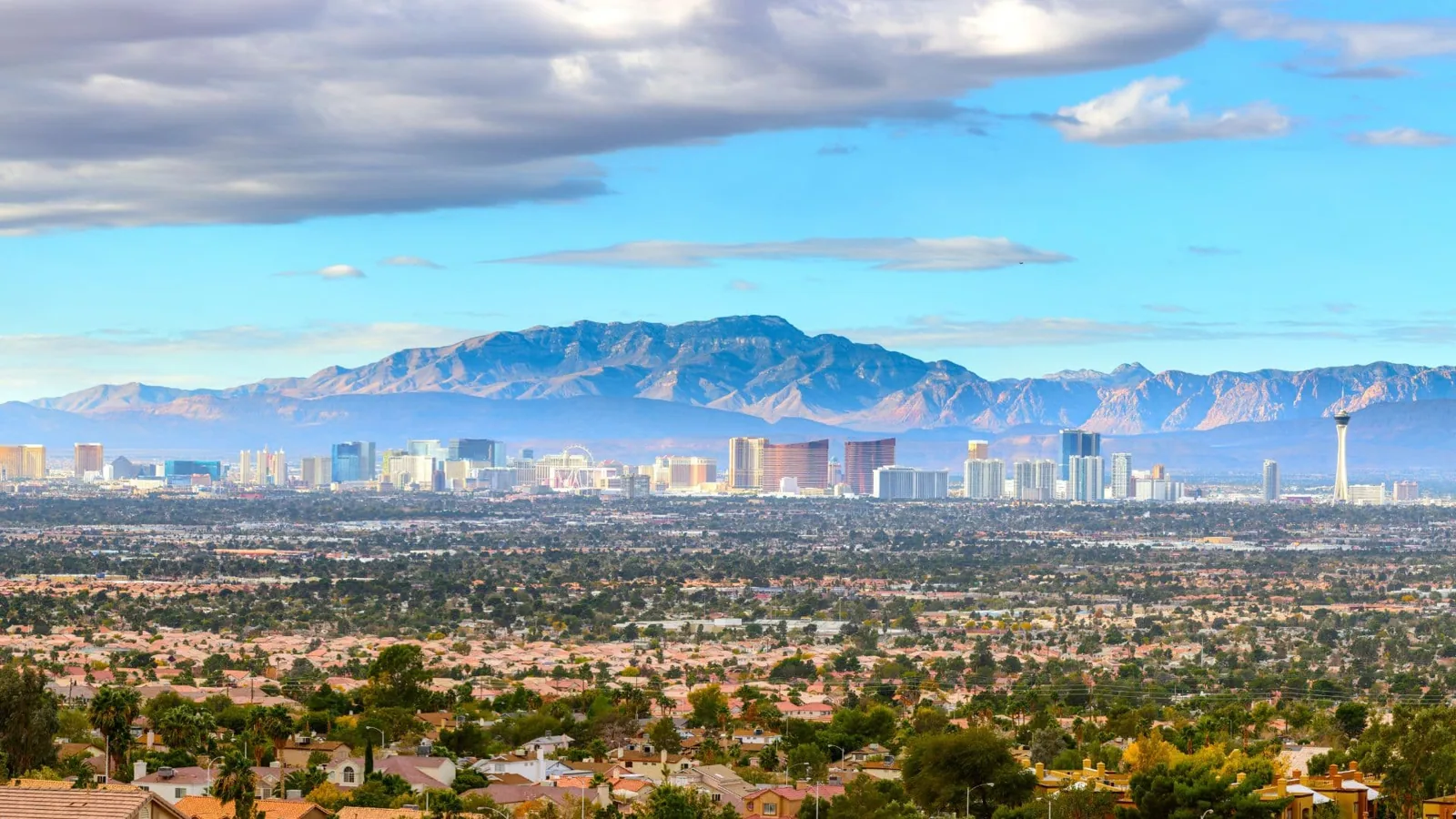
The municipal development layer maps Seven Hills as its own planned-area boundary, and Henderson's land-use plan relates the southern and western growth areas to employment centers and major transportation corridors. We use that context only to understand access and neighboring development. The roof itself tells us the rest: membrane type, seam condition, edge metal and the number of rooftop penetrations. Our first report for a Seven Hills property in Henderson, NV separates what we can see from what needs testing.

Trace Standing Water to Its Source
Ponding has several quiet causes, and each leads to a different fix. A blocked or undersized drain leaves water behind and is usually cleared or replaced. A deflected deck or settled support changes the slope, which may call for tapered insulation during a recover or replacement. A membrane that has stretched between fasteners can hold shallow water even when the structure is level. We probe the low points, check the outlet height against the surrounding membrane, and photograph the pooled area while it still holds water.
Standing water also shortens membrane life by concentrating ultraviolet wear and softening seams over time. After a monsoon storm, the evidence is easy to read: dirt rings, algae streaks and ring stains show where water sat longest. When a low area repeats season after season, the ponding water repair scope looks at slope correction, drain repositioning and added crickets near equipment before it considers any surface treatment.
Measure Heat Exposure on Equipment Zones
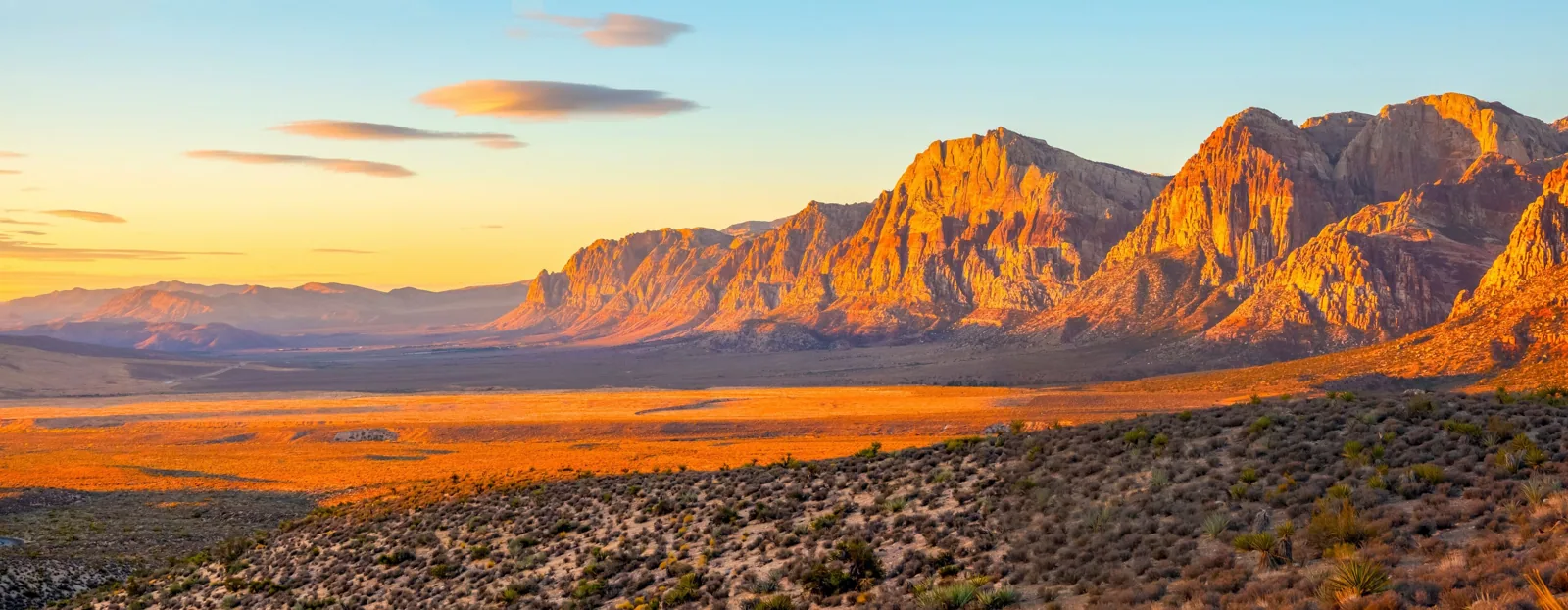
Rooftop mechanical units concentrate wear. Foot traffic, refrigerant line supports, service panels and condensate discharge all load a small part of the membrane, and the surface around them often fails first. Summer afternoons above 110°F are a regular part of life in the Mojave Desert, so those zones absorb heat on top of mechanical wear.
We check curb flashings for cracking and shrinkage, look for open end laps at corners, and test whether pipe penetrations still hold their sealant. Where walk paths cross the roof without protection, we recommend walk pads so crews servicing equipment do not scuff the membrane. A curb and equipment support repair scope can raise a unit above standing water, replace failed flashing and reduce the chance that service visits damage the roof.
On a newer building where mechanical loads may change, it helps to ask whether tenants plan to add equipment. Roof plans that record each new penetration keep the repair boundary clear and save time during later leak calls.
Match the Membrane to the Exposure
Single-ply membranes are common on low-slope commercial roofs, and a white TPO roof reflects sunlight that would otherwise heat the building. Whether TPO, PVC or another system fits a Seven Hills building depends on the existing assembly, the chemicals present on the roof from kitchen exhaust or mechanical equipment, and the owner's budget for seams and flashing. We install and repair TPO, PVC, EPDM, KEE, modified bitumen, built-up, standing seam and retrofit metal, spray foam and coating systems, so the recommendation follows the roof rather than a product line.
For owners weighing solar, the roof matters before the panels do. A solar-ready roof plan locates the framing for panel supports, keeps penetrations away from drains and aligns warranty-sensitive details with the expected array layout. If the membrane has only a few years of service left, replacing it before the array goes up avoids removing and resetting panels later.
Document Findings the Owner Can Use
A report is useful when it can be acted on without a second visit. For each roof zone we record the membrane type where it can be confirmed, the condition of seams and terminations, the location of every drain and scupper, and a photograph of each defect with a marker showing its position on the roof sketch. Items that need testing below the surface are listed separately, so no one mistakes a suspicion for a finding.
That record becomes the baseline for future decisions. When a leak call comes in, we can compare the new symptom with the earlier photographs and tell whether a seam has opened further or whether the water is entering somewhere new. It also lets a preventive maintenance program focus on the details that actually moved between visits, such as sealant at a curb or debris building up near a scupper, instead of repeating the same checklist on every roof.
Plan Repairs Around the Calendar
Timing affects both cost and risk. Summer heat narrows the working hours on the roof surface, and the monsoon months from July through September can interrupt a staged replacement. Henderson's flood-control guidance notes that these storms can overwhelm drainage with intense localized rain, so we schedule dry-in milestones around the forecast and keep temporary protection on site.
Permitting can add time. A replacement scope should confirm insulation and permit requirements before material is ordered, because Henderson reviews permit submittals received on or after January 2, 2026 under its amended 2024 building and energy codes. For multi-building owners in Inspirada, Green Valley and neighboring planned communities, a multi-site roof program lets us rank buildings by condition and spread capital over several budget cycles.
Bring your roof questions
Send the roof plan, the dates of any leaks, recent repairs and any change in rooftop equipment. Tell us when the building is busiest, and we will plan the inspection around your operating hours.
Related Roofing Work
More roofing work and building types connected to this page.