
A dealership roof may cover a showroom, service bays, parts storage, offices, and customer areas built in different phases. Those spaces can have different roof heights and equipment loads. We start with the building plans and maintenance records, then inspect accessible seams, drains, curbs, edges, skylights, and prior repairs. A stained ceiling over a showroom or service desk is a location to investigate, not proof of which roof detail failed.
Before crews arrive, the manager can identify customer hours, vehicle delivery lanes, lift locations, inventory-sensitive areas, and any work that requires coordination with the service department. We can map staging and phases so cars and customer paths are handled intentionally. Henderson’s summer heat and brief periods of intense local rainfall are regional considerations for safe work and drainage review. Actual assembly condition and site operations determine the scope.
Protect customer and service movement
The schedule should distinguish customer entrances from crew and material routes. Service-bay doors, vehicle lifts, parts deliveries, and outdoor inventory may need to remain available or be temporarily rerouted. Management can provide its operating calendar, while we identify roof sections that require overhead protection or a short closure. Daily cleanup should include fasteners and debris from parking, walkways, and service areas. The work plan states who communicates a schedule change and who releases a zone back to dealership use.
Work over a showroom may involve different noise tolerance than a back-of-house roof. The owner can prioritize rooms or time windows; we can sequence operations and state the limits created by weather or concealed conditions. An occupied-building reroof sequence can capture those decisions. A condition inspection documents the current assembly and access restrictions before an estimate is approved.
Coordinate rooftop equipment and future work
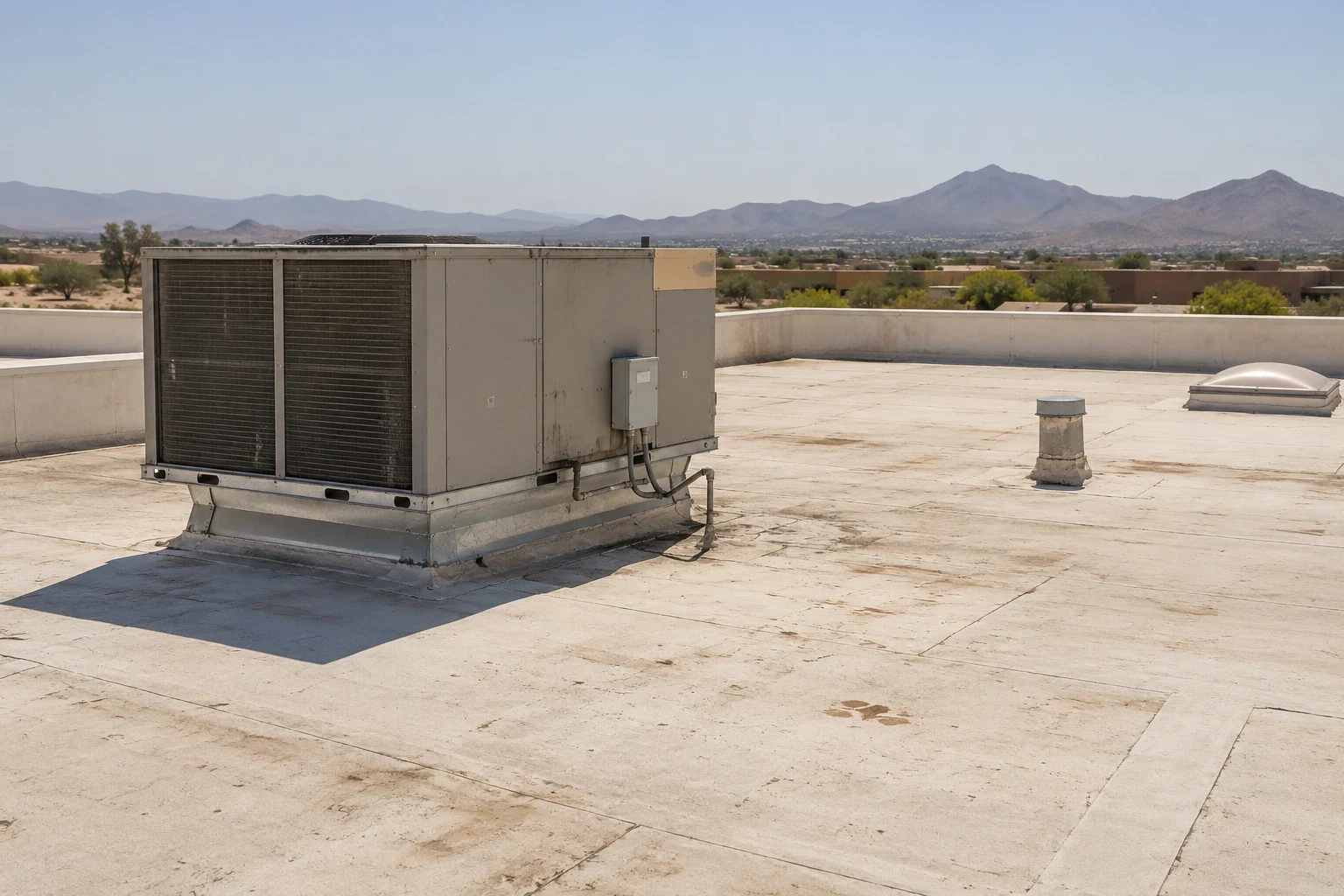
Packaged HVAC, exhaust, plumbing vents, signage circuits, and solar equipment may interrupt roof fields or create support details. We photograph curbs and penetrations, check visible flashing, and note whether the roof surface around each detail is accessible. If a mechanical vendor plans to replace a unit, record its footprint and curb height before lifting begins. The roofing scope states who protects the opening, restores the roof detail, and documents the result so the project does not leave the work boundary unclear.
Henderson’s plan identifies employment-center uses including office, flex, industrial, warehousing, manufacturing, and business parks. This city planning information is not an inventory of dealership buildings or rooftop equipment. We use the site’s equipment schedule and inspection. A curb and support review can define the roofing interface, while penetration flashing work covers specific openings. Any structural support or electrical diagnosis remains with the qualified trade.
Trace leak reports through the actual roof
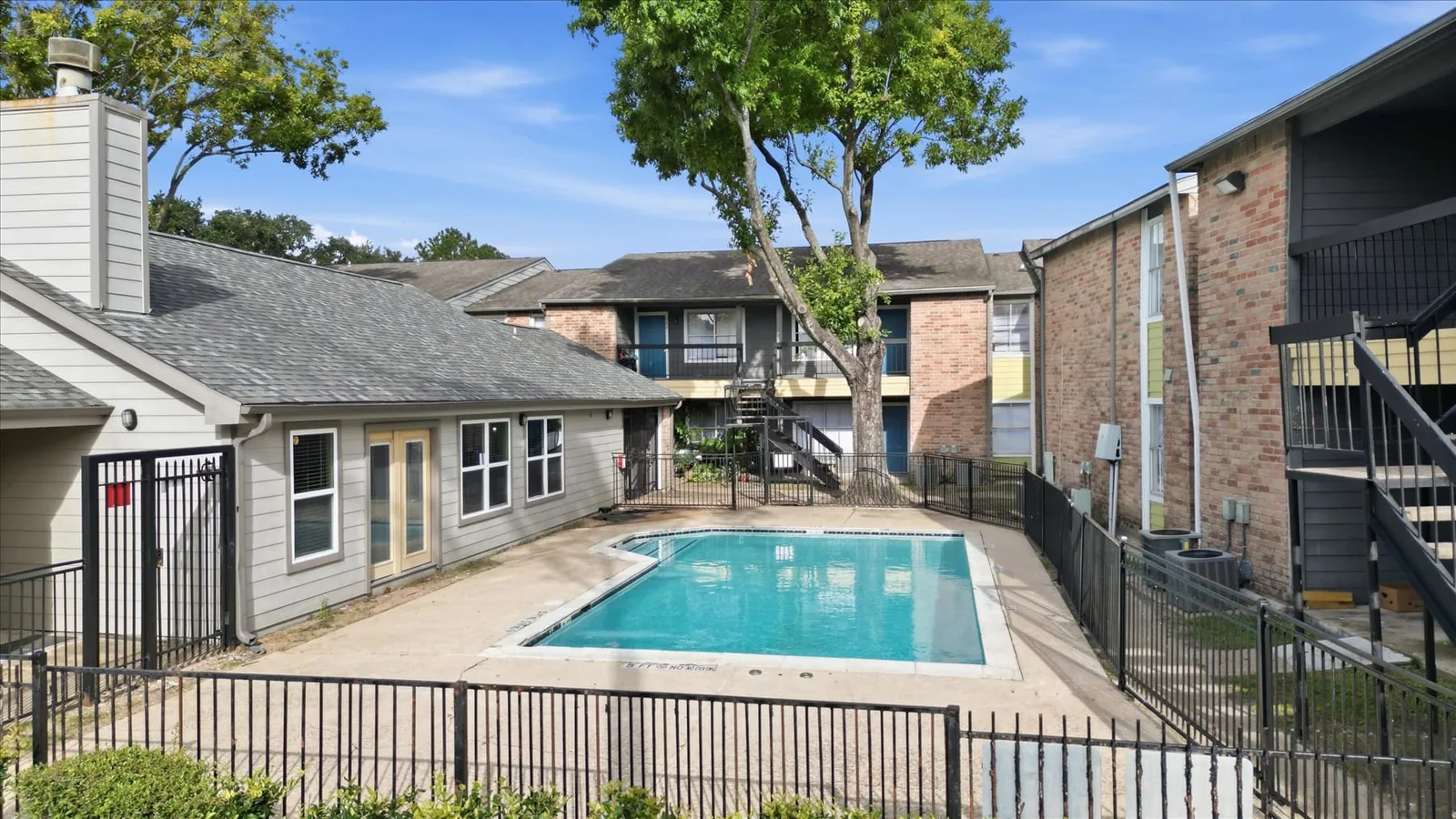
Record the interior location, date, weather, and any recent HVAC or plumbing service. We compare the report with roof slopes, drains, seams, joints, and the path around a canopy or addition. A vehicle-service area can contain separate plumbing and equipment sources, so a roof diagnosis should not infer cause from the room alone. If an opening or moisture survey is justified, the proposal identifies its purpose, exact test zone, owner approval, and repair method.
City flood guidance flags the July to September monsoon window for intense, localized downpours. After one, a dealership can compare service-bay reports with roof-drain and overflow observations; the season alone does not diagnose the source. That hazard context does not prove a roof is leaking. We inspect drains and overflows that are safe to access and note visible conditions. A focused drain review may be appropriate if the observed path points to an outlet. If evidence instead suggests a wall or plumbing issue, the report names that handoff separately.
Compare repair and replacement alternatives
Repair may fit a confirmed puncture, failed seam, or flashing detail if nearby substrate remains stable and the repair material is compatible. Recurring failures across a showroom and service wing, broad wet insulation, or unstable attachment can justify more testing. A recover or coating has its own preconditions: layer count, adhesion, drainage, edge height, moisture, and warranty restrictions. We identify quantities and assumptions so the owner can compare bids on a consistent basis.
Henderson’s 2024 building and energy codes, as locally amended, govern permit applications submitted starting January 2, 2026. Before a showroom or service-bay reroof is priced, the project designer should identify the provisions that apply to that scope and occupancy. The design and permitting contact should verify requirements for the actual scope. For a low-slope roof, compare TPO and modified bitumen against observed conditions, not a generalized dealership profile. A dealership shares traits with a large retail roof in its long drainage runs and with a shopping center roof in its shared access, yet the service bays still need a plan written for them.
Write a bid the owner can administer
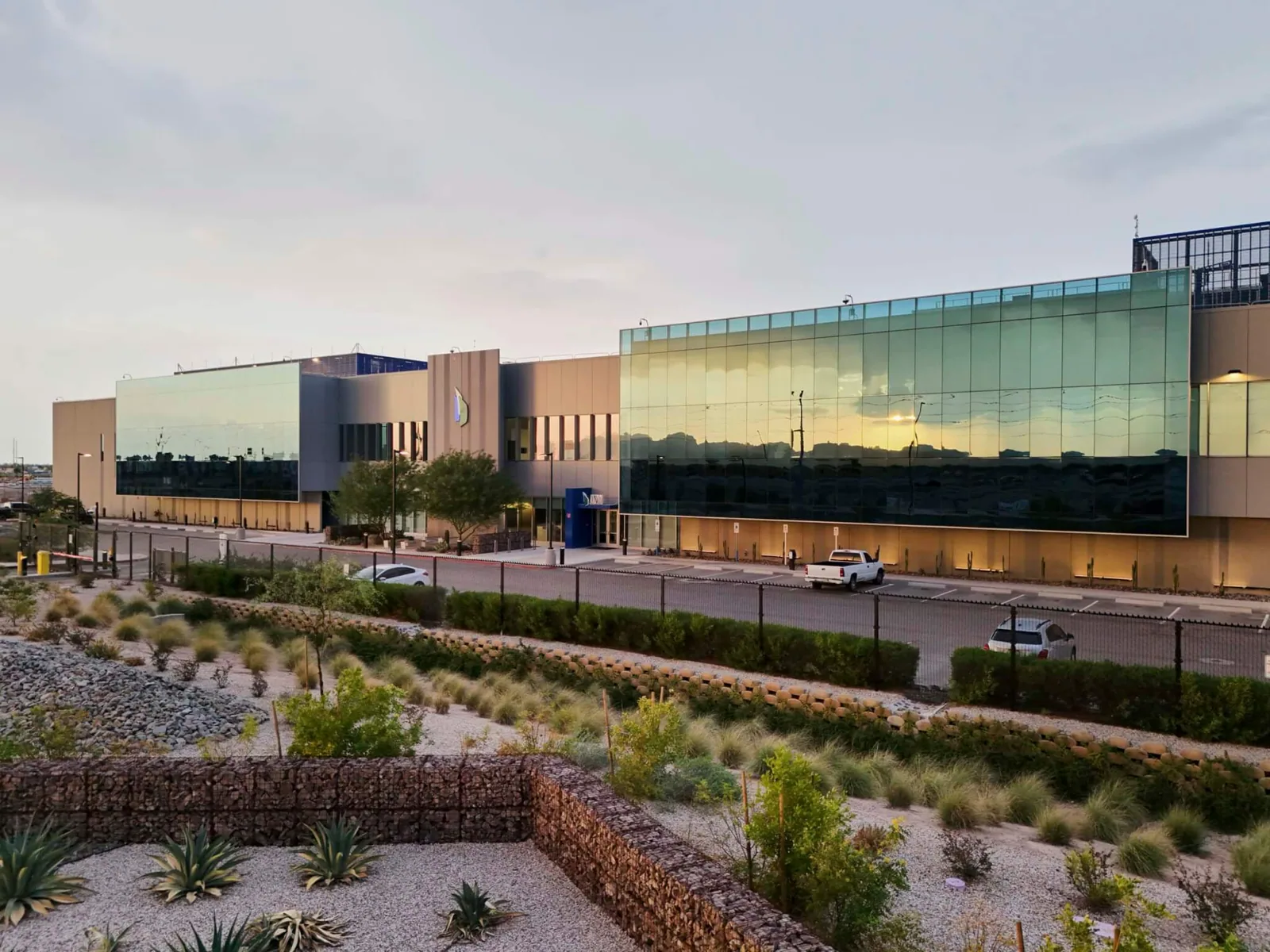
List each roof area, measured quantity, removal limits, insulation, surface preparation, membrane, curbs, flashing, edge metal, drainage, testing, and cleanup. Separate allowances from measured work. State whether a rooftop unit move, sign circuit, or structural repair is excluded, and identify the trade responsible. If concealed damage appears after tear-off, define the documentation and sign-off process before the crew proceeds. These details help an owner evaluate scope, schedule, and operational impact together.
For a multi-location operator, use the same fields in each facility record while preserving site-specific photos and findings. Henderson’s public planning documents describe growth and employment districts such as West Henderson and redevelopment areas on the Eastside; they help orient service coverage but cannot establish the condition of a dealership roof. A capital plan can rank inspections and replacement options, while multi-site reporting keeps decisions comparable.
Return the roof and work zones to operations
Closeout should state what was installed or repaired, where it is located, what testing occurred, and which areas remain unobserved. Include dated photos, product information, warranty documents, access restrictions, and the final roof-zone map. The dealership should receive a contact for warranty questions and a record of any equipment coordination. If another contractor will return to the roof, share the applicable detail and require documentation of the roof-side restoration.
Maintenance can inspect accessible edges, drains, curbs, and penetrations according to the system and warranty. After a reported storm, collect internal tickets before authorizing a broad repair. For a property in West Henderson or the Sunset Industrial Corridor, district names locate service dispatch; the report and roof history govern the work recommendation. A condition report provides a repeatable handoff to the next facility manager.
Vehicle surfaces, parts, and customer property can have different protection requirements. Identify where dust, debris, lifts, and material carts may travel; the dealership chooses which vehicles or components need to be moved before work. We secure our staging and record daily cleanup. If an alarm, lighting circuit, or rooftop sign must be isolated, the dealership’s vendor controls that system and confirms when it is ready again.
Review an auto dealership roof
Share roof plans, prior repairs, access procedures, and leak records. We will document observed conditions, work constraints, and practical next steps for your team.
Related Roofing Work
More roofing work and building types connected to this page.