
Roof work for a congregation needs a schedule that respects worship services, community meals, childcare, counseling, and other programs. The inspection itself is technical: confirm the roof zones, assembly, transitions, drains, penetrations, and earlier patches, then compare them with interior reports and available plans. A steeple, sanctuary, classroom wing, and fellowship hall may have different roof geometry or materials; we inspect each area instead of assuming one system covers the entire campus.
Before pricing, the church contact can share a calendar, access policy, volunteer activity, and any restrictions on lifts or staging. We can then map a sequence by roof section and identify what must be secured before a room is used again. Henderson’s emergency guidance recognizes extreme heat among local hazards and describes summer daytime readings above 110°F as regular in the Mojave Desert. This is regional planning context; the actual work window follows site conditions and safety controls.
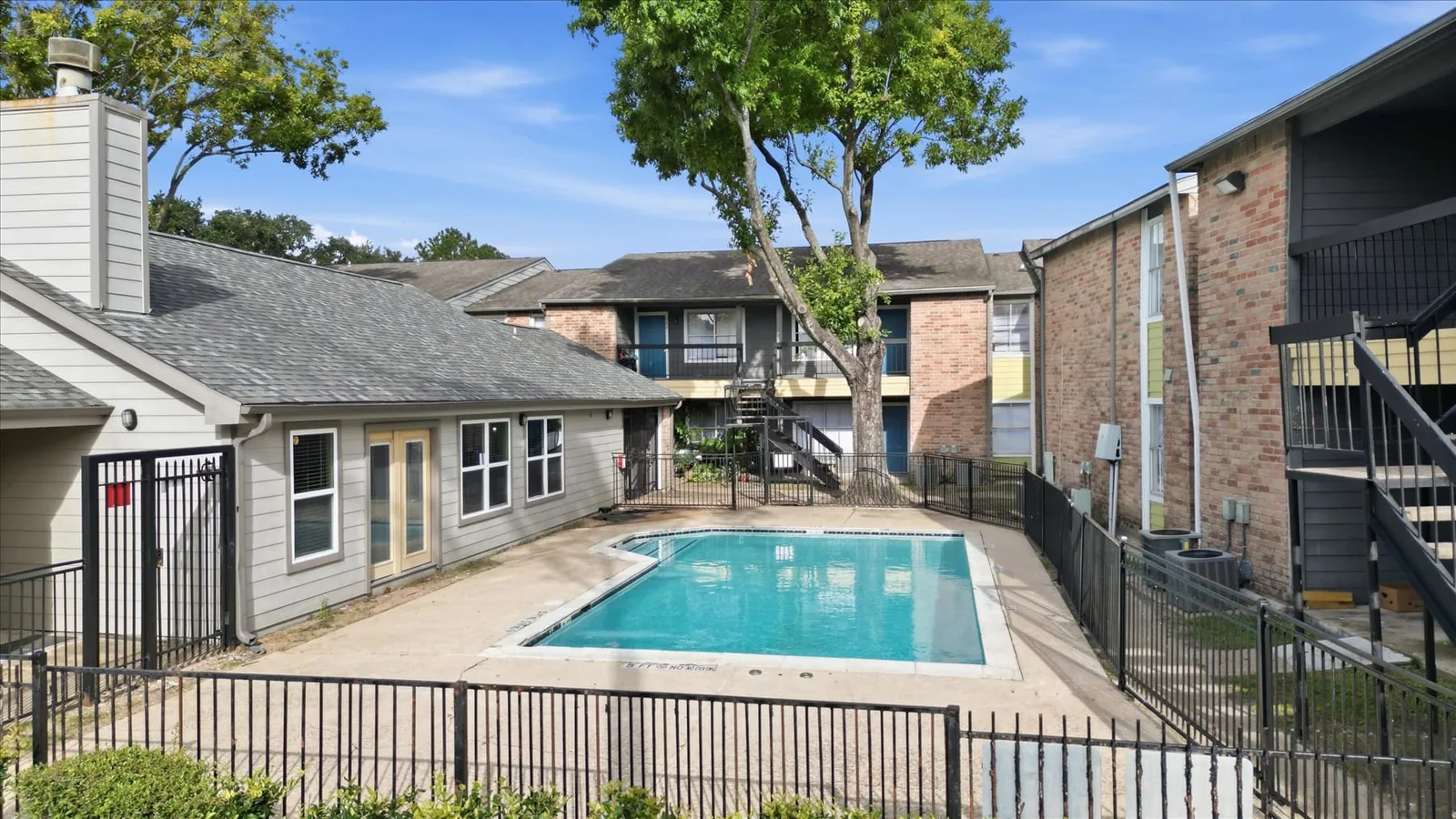
Build the schedule around the congregation
A project lead should know which dates are fixed, where deliveries arrive, and which doors must remain open for programs. Roof work can be divided into zones so the congregation can evaluate temporary access changes ahead of time. The written plan identifies staging, noise-producing steps, overhead protection, daily cleanup, and the person who can approve a schedule adjustment. If volunteers use a room below the active area, the church can provide its planned occupancy so we can coordinate work and protection.
Roof openings and partially completed transitions need a specific end-of-shift closure procedure. The scope should describe what temporary weather protection is used and who checks it before crews leave. For an occupied property, an occupied-building reroof sequence can address room use and communication. A baseline inspection helps the board compare repair alternatives with the condition actually documented on the roof.
Inspect changes in roof geometry
Many worship properties combine a broad low-slope sanctuary roof with pitched areas, canopies, classroom additions, or tower transitions. Each interface deserves a separate observation: flashing, counterflashing, parapet coping, edge attachment, drainage, and any change in substrate. If a steeple or architectural feature restricts access, note that limitation and arrange an appropriate inspection method rather than claim the hidden area is sound. Photograph details from safe positions and label them by the plan’s roof-zone names.
Where a standing-seam roof meets low-slope membrane, movement and water paths should be reviewed at the transition. Existing metal panels, fasteners, and underlayment may require a different trade or system-specific assessment. A coping and edge review can define perimeter work, while penetration flashing can address skylights and other roof openings. The inspection records the visible condition and next question, not an unverified assumption.
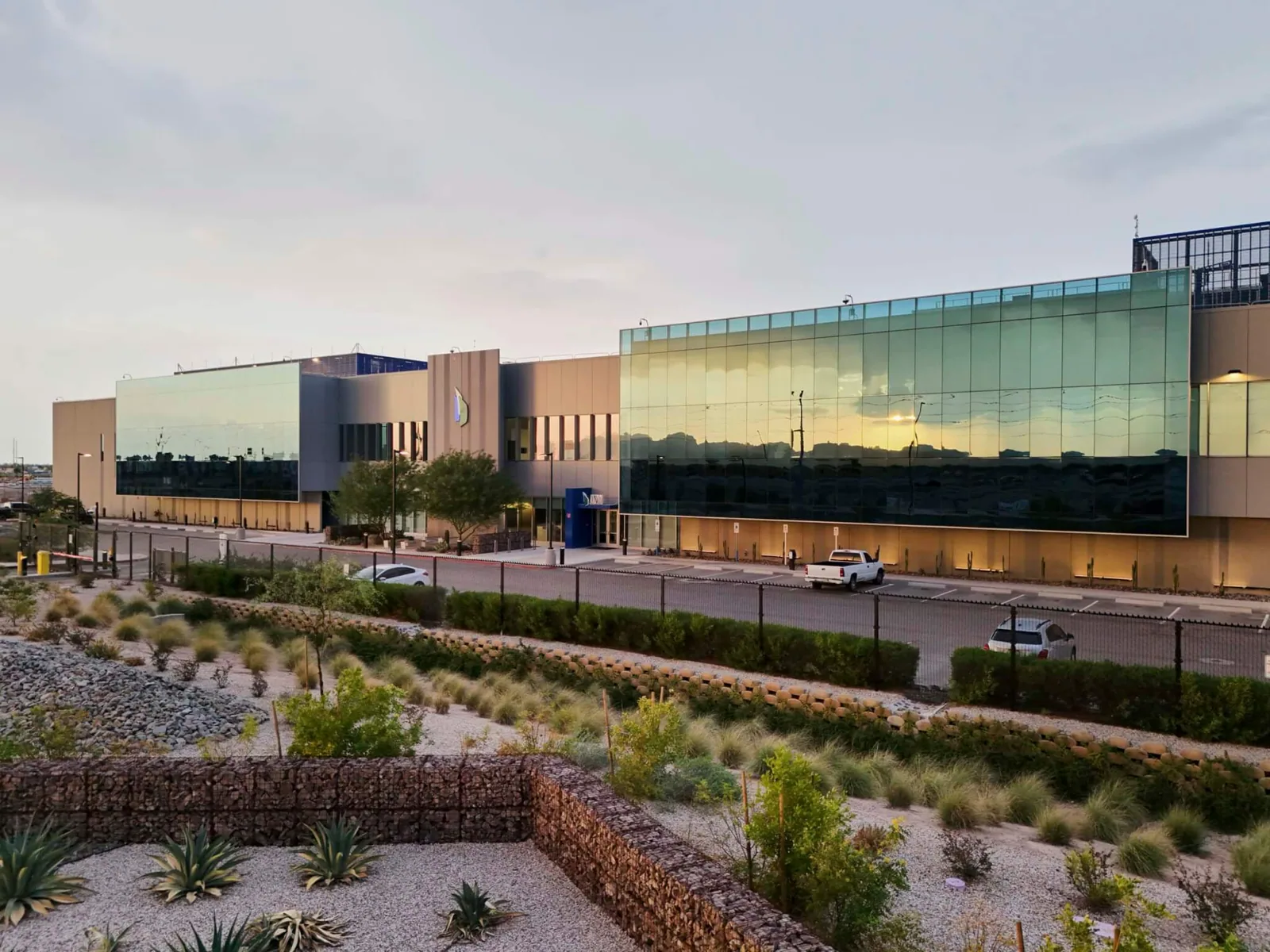
Trace water reports to roof zones
When a stain appears in a sanctuary or classroom, record when it was first noticed, whether it changes during a storm, and any nearby plumbing or HVAC work. We map the interior location to slopes, drains, seams, edges, and penetrations. Water can travel laterally through an assembly, so the nearest roof opening is not automatically responsible. A controlled opening or moisture test may be proposed when it will distinguish between competing explanations; its location and restoration method belong in the written scope.
The city’s flood-control material calls out July to September monsoon events because a short, heavy burst can create a local flash-flood problem. For a congregation, that is a reason to check actual roof drainage and access after a storm, not assume that a leak occurred. The citywide warning does not show that a particular congregation has roof damage. We inspect actual drainage paths and note conditions that can be observed. A drain review can record outlet access and condition. If the concern may involve a wall, window, or plumbing line, we state where a different trade should investigate so the roof repair does not mask another issue.
Compare repair and renewal options
A focused repair may suit an isolated defect where adjacent material and attachment remain serviceable. Repeated failure, broad membrane separation, wet insulation, or poor drainage may justify a larger evaluation. A recover or coating is appropriate only after checking substrate stability, existing layers, moisture, surface compatibility, roof height, and edge details. Board members can request a report that lists evidence, missing information, test recommendations, and the condition that would change the scope.
Henderson’s adopted 2024 building and energy standards took effect with local amendments for permit applications submitted beginning January 2, 2026. A church project’s architect or permit contact should confirm which provisions apply to its exact alteration before plans are filed. The design and permitting team should verify requirements for the actual project; the adoption date alone does not determine the condition of an older assembly. For suitable low-slope roofs, compare TPO and modified bitumen only against verified conditions and project goals. A school faces a different calendar than a congregation, as seen on a school roof, but both projects need clear occupancy coordination.
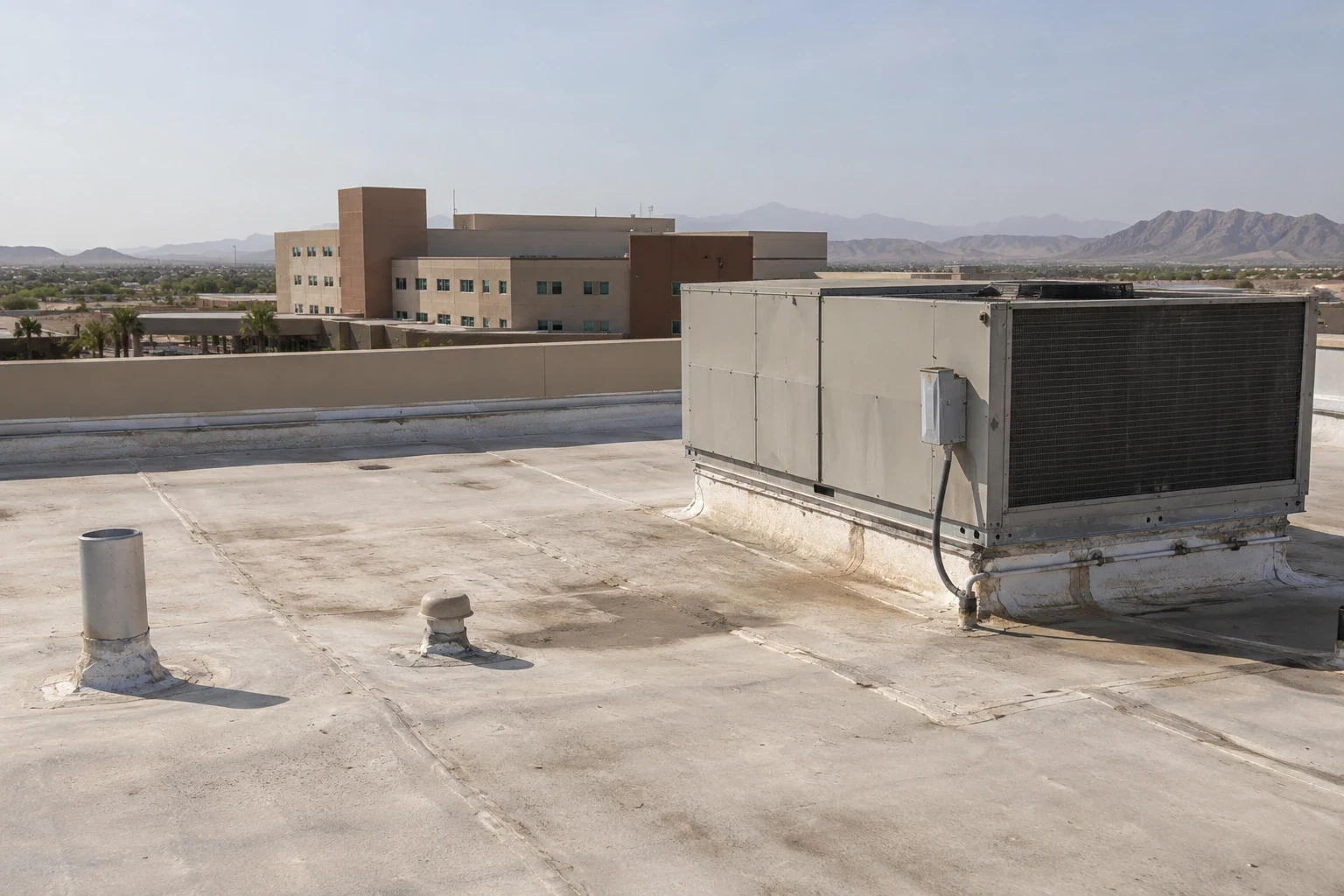
Make the board decision easy to review
A proposal should separate inspection results, scope quantities, allowances, exclusions, phasing, and warranty terms. The board names who can authorize concealed-condition work and which evidence is required before we proceed. If the property has several wings, name them consistently in the estimate, schedule, and photo log. That lets a board compare bids without confusing a measured repair area with a building-wide replacement. Keep meeting notes with the current plan so future trustees can understand the basis for the decision.
Henderson identifies employment and redevelopment areas in its public planning materials, including Eastside neighborhoods and West Henderson. These broad city references can orient service routing but do not say what is installed on a congregation’s roof. For a site in Water Street District or the Eastside Redevelopment Area, we still confirm the location and assembly from the owner’s records and a site visit. Capital alternatives can be organized with a roof capital-planning review.
Protect future maintenance records
At completion, retain a roof plan, product submittals, dated photos, repair details, test results, warranty documents, and any area that could not be inspected. A simple log can connect the date and location of future reports with the work performed. Before an AV, HVAC, or solar contractor adds a new penetration, ask the church’s facilities contact to coordinate a roof-side review and document who restores the membrane or flashing.
Maintenance checks can look at drains, coping, edge metal, exposed sealant, and known transitions. Their frequency should follow the assembly, warranty, and earlier observations. If a congregation postpones work, record what condition should trigger a new inspection. A roof condition report can provide a consistent handoff when board or facilities volunteers change. A congregation that also runs a school or a social-services office can borrow the written scope habits used for a public building roof, keeping each building’s occupants and records distinct.
When a congregation has volunteer maintenance or multiple trustees, store the roof map with the board’s capital records and name the person who can approve access. A seasonal walk can compare known repair points and photograph new observations, but volunteers should not enter restricted or unsafe roof areas. Written assignments help the next facilities volunteer distinguish routine housekeeping from work requiring a qualified roofing contractor.
Review a church roof
Share roof plans, prior repairs, access procedures, and leak records. We will document observed conditions, work constraints, and practical next steps for your team.
Related Roofing Work
More roofing work and building types connected to this page.